Car Makes Noise After Rain – Causes, Warning Signs & Easy Fixes
Car Makes Noise After Rain – Causes, Warning Signs, and Fixes Explained
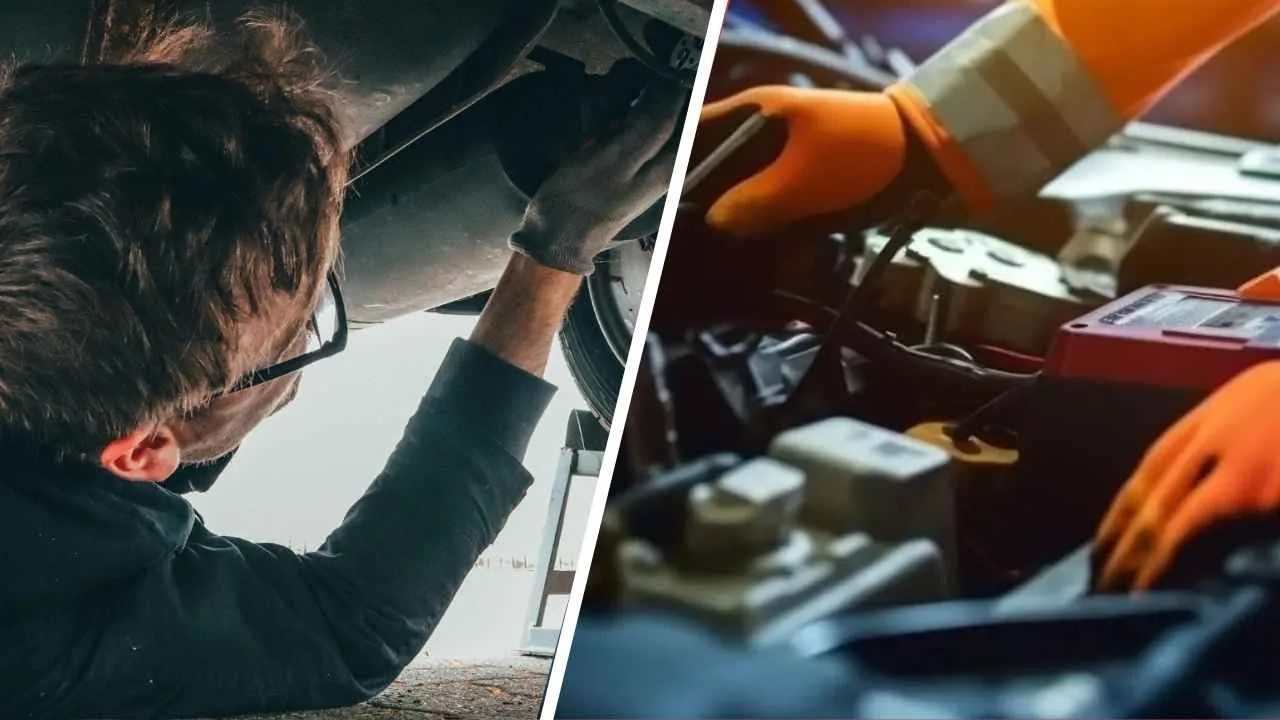
Car Makes Noise After Rain – Causes can range from harmless moisture buildup to serious mechanical problems that need immediate attention. Many drivers notice strange squealing, grinding, rattling, or humming sounds after driving in heavy rain or leaving their vehicle parked during wet weather. While some noises disappear once the car dries out, others may point to worn components, water intrusion, or hidden damage.
Understanding why your car makes noise after rain can help you avoid expensive repairs, improve safety, and prevent long-term damage. In this guide, we’ll break down the most common causes, symptoms, and practical solutions using simple, easy-to-understand language.
Why Cars Often Make Noise After Rain
Rainwater can affect several parts of a vehicle. Moisture may temporarily reduce traction between moving parts, wash away lubrication, or enter sensitive components. In many cases, wet weather simply exposes existing wear and tear that was already developing.
Some noises are harmless and disappear quickly. Others can signal brake issues, belt wear, electrical problems, or suspension damage.
Car Makes Noise After Rain – Causes You Should Know
1. Wet Brake Rotors and Brake Pads
This is one of the most common reasons cars make noise after rain. Water creates a thin layer of rust or moisture on brake rotors, leading to squealing or grinding sounds when braking.
Common symptoms:
- Squealing during the first few stops
- Grinding noise after the car sits overnight
- Noise disappears after driving a short distance
In many cases, this is normal unless the noise continues.
2. Serpentine Belt Slipping
The serpentine belt powers components like the alternator, power steering pump, and AC compressor. Rainwater can make a worn belt slip, creating a loud squealing noise.
Signs of a wet or worn belt:
- High-pitched squealing during startup
- Noise gets worse in rainy weather
- Cracks or glazing on the belt surface
3. Water in the Wheel Bearings
Driving through deep puddles can allow moisture into wheel bearings, causing humming or grinding sounds.
Symptoms include:
- Humming while driving
- Noise changes with speed
- Vibration from wheels
4. Moisture in the Exhaust System
Condensation and water buildup inside the exhaust can cause rattling or unusual sounds temporarily.
5. Suspension Components Getting Wet
Rain can wash away grease from bushings and suspension joints, leading to squeaks or creaking noises.
6. Rust Formation on Metal Parts
Moisture accelerates rust, especially on older vehicles or cars exposed to road salt.
7. Water Entering Electrical Components
Moisture around ignition systems or sensors can cause engine misfires and rough operation.
8. Loose Splash Shields or Underbody Panels
Water pressure from puddles can loosen plastic panels underneath the car, causing rattling noises.
Types of Noises You Might Hear After Rain
Squealing Noise
Usually linked to belts or brakes.
Grinding Noise
May indicate brake or bearing issues.
Rattling Sound
Could come from exhaust components or loose panels.
Humming or Roaring
Often points to wheel bearing problems.
Clicking or Misfire Sounds
Can happen if moisture affects ignition components.
How to Diagnose the Noise Properly
Step 1: Identify When the Noise Happens
- Only while braking?
- During startup?
- While driving at speed?
Step 2: Check if the Noise Disappears
Temporary noises after rain are often harmless.
Step 3: Inspect the Belts
Look for:
- Cracks
- Loose tension
- Worn surfaces
Step 4: Examine the Brakes
Rusty brake rotors after rain are common but excessive grinding is not.
Step 5: Listen to Wheel Areas
Persistent humming may indicate wheel bearing damage.
Step-by-Step Solutions and Fixes
1. Dry the Brakes Properly
After driving through rain, gently apply the brakes a few times to remove moisture.
2. Replace Worn Belts
A cracked serpentine belt should be replaced immediately.
3. Lubricate Suspension Components
Greasing suspension joints can reduce squeaks.
4. Check Wheel Bearings
Damaged bearings should be replaced quickly to avoid wheel issues.
5. Repair Loose Underbody Panels
Secure loose splash guards and shields.
6. Inspect Electrical Components
Replace damaged ignition coils or spark plug wires if moisture causes misfires.
7. Address Rust Early
Surface rust should be cleaned and treated before spreading.
Real-World Examples and Practical Tips
Many drivers experience temporary rain-related noises:
- A driver heard squealing brakes every rainy morning—light rust on rotors was the cause
- Another noticed loud squealing only during wet weather—a worn serpentine belt solved the issue
- A humming sound after deep puddles turned out to be damaged wheel bearings
Small noises can reveal larger problems early.
Common Mistakes to Avoid
- Ignoring persistent grinding sounds
- Driving through deep flooded roads
- Using cheap replacement belts
- Skipping brake inspections
- Ignoring rust buildup
These mistakes can lead to expensive repairs and safety risks.
Safety Tips and Important Warnings
- Never ignore brake grinding noises
- Avoid flooded roads whenever possible
- Check brakes after heavy rain
- Inspect tires and wheel bearings regularly
Water-related damage can affect braking and vehicle control.
How to Prevent Car Noises After Rain
Wash the Undercarriage Regularly
This removes dirt, salt, and moisture buildup.
Replace Belts Before They Fail
Routine inspections prevent sudden squealing issues.
Maintain Brakes Properly
Clean and inspect brake components regularly.
Use Rust Protection
Rustproofing helps protect metal components.
Avoid Deep Puddles
Deep water can damage bearings and electrical systems.
Conclusion
Car Makes Noise After Rain – Causes can range from harmless moisture on brake rotors to serious issues involving wheel bearings, belts, or suspension components. The key is understanding which noises are temporary and which require immediate attention.
If the sound disappears after the vehicle dries out, the issue may be minor. However, persistent squealing, grinding, humming, or rattling should never be ignored. Regular maintenance, inspections, and preventative care can help keep your car safe, quiet, and reliable in all weather conditions.
Frequently Asked Questions
1. Is it normal for brakes to make noise after rain?
Yes, light squealing from wet brake rotors is common and usually temporary.
2. Why does my car squeal after driving in rain?
A wet or worn serpentine belt is often the cause.
3. Can rain damage wheel bearings?
Yes, driving through deep water can allow moisture into wheel bearings.
4. Should I worry about grinding noises after rain?
Yes, persistent grinding may indicate brake or bearing problems.
5. How do I stop my car from making noise after rain?
Maintain brakes, replace worn belts, avoid deep puddles, and inspect components regularly.