Why Is My Car Losing Coolant but Not Overheating? Causes and Fixes
Why Is My Car Losing Coolant but Not Overheating? Causes and Fixes
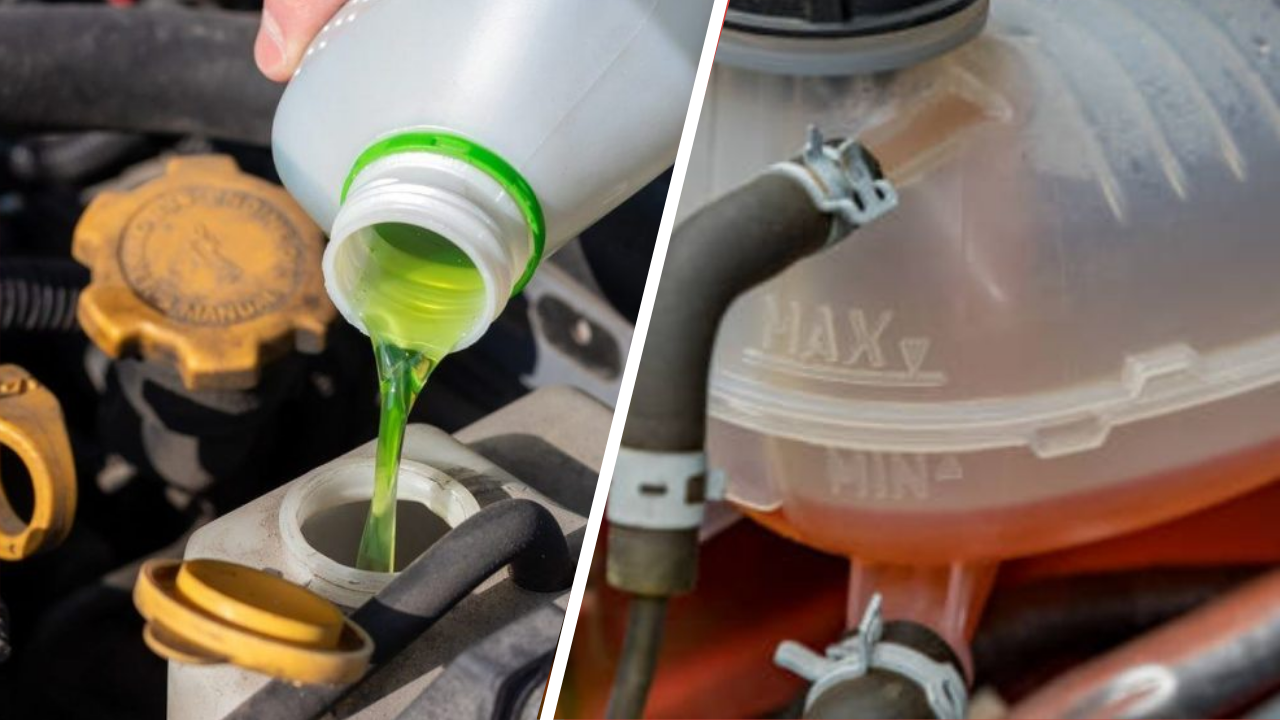
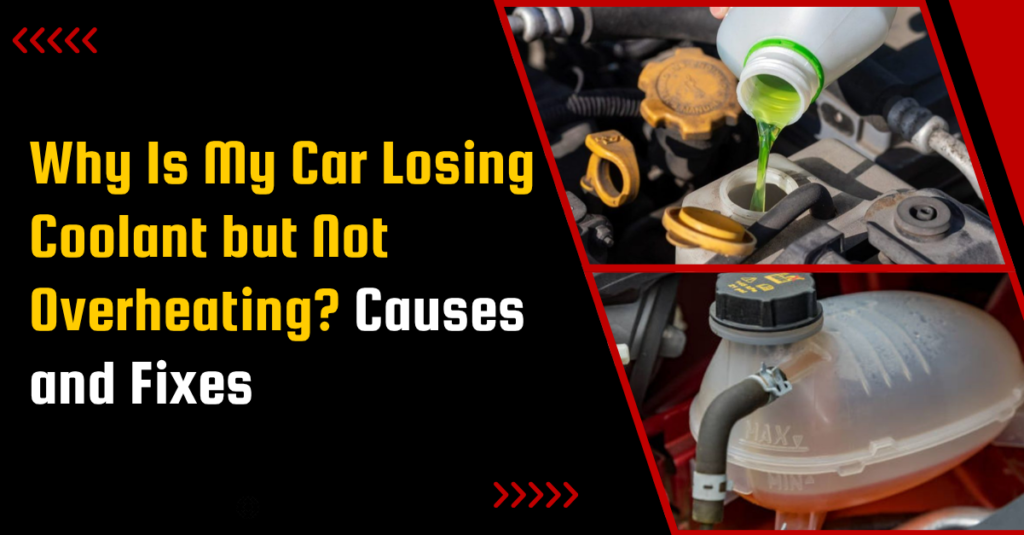
If you are asking, “Why is my car losing coolant but not overheating?”, you should not assume that everything is fine just because the temperature gauge remains normal. A vehicle can lose coolant slowly for weeks or even months before the engine begins to overheat. In some cases, the coolant is leaking externally. In others, it may be escaping internally or evaporating from a small leak before it leaves an obvious puddle.
Coolant is essential because it helps control engine temperature and protects the cooling system from corrosion and freezing. When the coolant level keeps dropping, the cooling system may eventually run low enough that it can no longer remove heat effectively.
The good news is that finding a coolant problem early can often prevent much more expensive engine damage. In this guide, we’ll look at the most common reasons a car loses coolant without overheating, the warning signs to watch for, how mechanics diagnose hidden leaks, and what you should do before the problem gets worse.
Why Is My Car Losing Coolant but Not Overheating?
A cooling system is designed to be sealed. Under normal conditions, coolant circulates between the engine, radiator, hoses, thermostat, water pump, and heater system without the level continually dropping.
If the coolant reservoir needs topping up repeatedly, something is usually wrong.
The most common possibilities include:
- A small external coolant leak
- A leaking radiator
- Damaged or aging coolant hoses
- A faulty water pump
- A leaking thermostat housing
- A damaged coolant reservoir or cap
- A heater core leak
- An internal head-gasket leak
- Air trapped in the cooling system after service
- Coolant escaping through a leak that only appears when the engine is hot
The fact that the engine isn’t overheating may simply mean the leak is still relatively small or the cooling system has enough coolant remaining to control engine temperature.
1. A Small External Coolant Leak
A small external leak is one of the most common explanations for gradual coolant loss.
The leak may be so small that coolant doesn’t form a visible puddle underneath the vehicle. It can land on a hot engine component and evaporate instead.
Small leaks can come from:
- Hoses
- Radiator seams
- Water pump seals
- Thermostat housings
- Coolant flanges
- Radiator caps
- Expansion tanks
- Heater hoses
You may notice dried or crusty residue around a connection. The color depends on the type of coolant used and shouldn’t be the only way you identify a leak.
Why It May Not Overheat Yet
A slow leak may remove only a small amount of coolant during each drive. The remaining coolant may still be enough to keep the engine within its normal operating temperature range.
That doesn’t mean the leak can be ignored. A small leak can suddenly become a much larger leak, especially when a hose, plastic fitting, or radiator component fails under pressure.
2. Coolant Leak That Only Happens When the Engine Is Hot
Some cooling-system leaks are difficult to find because they occur only when the engine reaches operating temperature.
As the coolant heats up, pressure inside the cooling system increases. A weak hose, seal, radiator seam, or connection may remain dry when the engine is cold but begin leaking once the system becomes pressurized.
This can explain why you don’t see coolant underneath the car after it has been parked overnight.
A cooling-system pressure test can help identify leaks that aren’t obvious during a simple visual inspection.
3. Faulty Radiator
The radiator is responsible for transferring heat from the coolant to the surrounding air.
Over time, radiators can develop cracks, damaged seams, corrosion, or leaks around fittings and connections.
A radiator leak may begin slowly and cause gradual coolant loss without immediately producing an overheating condition.
Look for wet areas or dried coolant residue around the radiator, but avoid touching cooling-system components while the engine is hot.
4. Damaged Coolant Hoses
Coolant hoses experience heat, pressure, vibration, and repeated temperature changes. Rubber hoses can become hard, soft, cracked, swollen, or brittle with age.
A small crack may only leak when the hose expands under pressure.
Common areas to inspect include:
- Upper radiator hose
- Lower radiator hose
- Heater hoses
- Smaller coolant lines
- Connections near the thermostat housing
If a hose looks swollen, cracked, damaged, or unusually soft, it should be inspected by a qualified technician.
5. Water Pump Leak
The water pump circulates coolant through the engine and cooling system. Many water pumps use a mechanical seal that can eventually wear out.
A failing water pump may leak coolant through a designated drain area or around the pump housing.
Other possible signs include:
- Gradual coolant loss
- Coolant residue around the pump
- Whining or grinding noises
- Temperature fluctuations
- Overheating in more advanced cases
A water pump can sometimes leak before it causes noticeable overheating, so coolant loss shouldn’t be ignored.
6. Thermostat Housing Leak
The thermostat controls coolant flow as the engine warms up. In many modern vehicles, the thermostat is installed inside a plastic or metal housing.
Plastic thermostat housings can become brittle over time. Gaskets and seals can also deteriorate.
A small leak around the thermostat housing may cause the coolant level to fall gradually while the engine continues to maintain normal temperature.
7. Damaged Radiator or Expansion Tank Cap
The cooling system cap is more important than it looks.
The cap helps maintain the correct pressure in the cooling system. If the cap no longer seals properly, coolant may escape as vapor or through the overflow system.
A faulty cap may cause:
- Gradual coolant loss
- Coolant residue around the cap
- Unusual pressure behavior
- Coolant being pushed into or out of the reservoir incorrectly
Because caps are relatively inexpensive compared with major cooling-system repairs, they should be included in the diagnostic process when appropriate.
8. Heater Core Leak
The heater core is essentially a small radiator inside the passenger compartment. Engine coolant flows through it to provide heat for the cabin.
A leaking heater core may not leave coolant underneath the vehicle.
Instead, you may notice:
- A sweet coolant-like smell inside the cabin
- Fogging or film on the inside of the windshield
- Damp carpet near the front passenger area
- Reduced heater performance
- Gradual coolant loss
If you notice a persistent coolant smell inside the vehicle, don’t ignore it.
9. Head Gasket Leak
One of the more serious causes of unexplained coolant loss is an internal engine leak involving the head gasket.
The head gasket seals the connection between the engine block and cylinder head. If it fails, coolant can potentially enter combustion areas or mix with engine fluids.
A head-gasket problem doesn’t always cause immediate overheating.
Early symptoms may include:
- Unexplained coolant loss
- White exhaust vapor or smoke after the engine is fully warmed up
- Rough starting
- Engine misfires
- Bubbles or abnormal pressure in the cooling system
- Milky or contaminated engine oil in some cases
- Repeated low coolant level
Not every vehicle with white exhaust vapor has a failed head gasket, and condensation can be normal during cold starts. Diagnosis should be based on testing rather than one symptom alone.
10. Coolant Entering the Engine Without Obvious Symptoms
In some cases, coolant may be consumed internally in a small quantity without producing obvious smoke or immediate overheating.
This can make the problem particularly difficult for drivers to notice.
A technician may use pressure testing, combustion-gas testing, cooling-system inspection, or other diagnostic methods to determine whether coolant is escaping internally.
11. Air Trapped in the Cooling System
If the cooling system was recently serviced, coolant loss may sometimes be related to trapped air.
When air pockets work their way out, the coolant level in the reservoir may drop as the system settles.
This is different from continuous unexplained coolant loss.
If you recently had a radiator, hose, thermostat, water pump, or other cooling component replaced, check the coolant level according to the manufacturer’s procedure and have the system properly bled if required.
12. Coolant Evaporating From a Very Small Leak
Not every leak leaves a puddle.
Coolant can escape from a tiny opening and land on a hot component, where it evaporates before reaching the ground.
This is why a clean driveway doesn’t necessarily prove that there is no coolant leak.
Dried residue, a sweet smell after driving, or repeated reservoir level changes can provide important clues.
Signs Your Car Is Losing Coolant
If the temperature gauge remains normal, you might not notice a cooling-system problem immediately. Watch for these warning signs:
- The coolant reservoir level keeps dropping.
- You need to add coolant regularly.
- You smell coolant after driving.
- There is visible coolant residue in the engine bay.
- The heater output changes unexpectedly.
- The temperature gauge fluctuates.
- White exhaust vapor continues after warm-up.
- The windshield fogs unusually inside the cabin.
- You notice damp carpet inside the vehicle.
- The engine begins running roughly.
How to Find a Coolant Leak That You Can’t See
A hidden coolant leak can be frustrating, but there are several diagnostic methods that can help.
Step 1: Check the Coolant Level When the Engine Is Cold
Check the coolant reservoir according to the vehicle manufacturer’s instructions. Never remove a pressurized cooling-system cap while the engine is hot.
Step 2: Inspect the Engine Bay
Look for wet areas, dried residue, damaged hoses, or signs of leakage around connections.
Step 3: Check Under the Vehicle
After the vehicle has been parked safely, look for drops or wet areas. Remember that the absence of a puddle doesn’t rule out a small leak.
Step 4: Have a Pressure Test Performed
A cooling-system pressure test can help reveal leaks that are difficult to see under normal conditions.
Step 5: Check for Internal Leaks
If no external leak is found, a technician may perform additional tests to determine whether combustion gases are entering the cooling system or coolant is entering the engine.
Can You Keep Driving if Your Car Is Losing Coolant?
It depends on the amount of coolant being lost and the condition of the cooling system.
A vehicle that is slowly losing coolant may continue to operate normally for a while, but that doesn’t make it safe to ignore.
The situation can change quickly if a small leak becomes a major failure.
Stop driving and allow the vehicle to cool if:
- The temperature gauge moves into the overheating range.
- A temperature warning appears.
- Steam comes from the engine compartment.
- The coolant level is extremely low.
- You see a large coolant leak.
- The engine begins running badly.
Never open a hot radiator or pressurized coolant reservoir. Hot coolant can cause severe burns.
Common Mistakes to Avoid
Ignoring Coolant Loss Because the Temperature Gauge Is Normal
This is perhaps the biggest mistake. A normal temperature reading only tells you that the engine is currently staying within its expected operating range. It doesn’t explain why coolant is disappearing.
Adding Water or Coolant Repeatedly Without Finding the Leak
Topping up the system may temporarily restore the level, but it doesn’t repair the underlying problem.
Using the Wrong Coolant
Coolant types and specifications vary between vehicles. Use the coolant recommended by the manufacturer rather than choosing one based only on color.
Opening the Cooling System While Hot
A hot cooling system can be pressurized. Opening the cap can release extremely hot coolant and steam.
Assuming There Must Be a Head-Gasket Failure
Head-gasket problems are possible, but many coolant leaks are caused by simpler components such as hoses, caps, radiators, housings, or water pumps. Proper diagnosis prevents unnecessary repairs.
How Much Does a Coolant Leak Repair Cost?
The repair cost can vary significantly depending on the source of the leak and the vehicle.
A failed hose or cap may be relatively inexpensive to repair, while a water pump, radiator, heater core, or head-gasket problem can cost substantially more.
Factors affecting the price include:
- Vehicle make and model
- Location of the leak
- Parts required
- Labor time
- Accessibility of the failed component
- Extent of engine damage, if an internal leak is present
For this reason, getting the leak identified before approving major repairs is important.
How to Prevent Coolant Loss
You can’t prevent every cooling-system failure, but regular maintenance can reduce the risk.
- Check coolant levels periodically when the engine is cold.
- Follow the manufacturer’s coolant service schedule.
- Inspect hoses and connections during routine maintenance.
- Repair small leaks promptly.
- Use the correct coolant specification.
- Keep the radiator and cooling system in good condition.
- Pay attention to coolant smells.
- Don’t ignore changes in the temperature gauge.
- Have recurring coolant loss professionally diagnosed.
What If the Coolant Level Drops Only Once?
A small change after recent cooling-system service may sometimes occur as trapped air leaves the system.
However, if the coolant level continues to drop after being corrected, that should be investigated.
Marking the coolant level when the engine is completely cold and checking it again under the same conditions can help you determine whether the level is actually changing.
Why Early Diagnosis Matters
A coolant leak may begin as a minor maintenance issue and eventually become a serious engine problem.
If enough coolant is lost, the engine can overheat. Severe overheating can damage components such as the cylinder head, head gasket, or other engine parts.
That’s why the absence of overheating should be viewed as an opportunity to fix the problem early rather than a reason to ignore it.
Conclusion
If you’re wondering, “Why is my car losing coolant but not overheating?”, there are several possible explanations. A small external leak, radiator problem, damaged hose, water pump leak, thermostat housing, faulty cap, heater core, trapped air, or internal engine leak can all cause the coolant level to fall.
The fact that your car isn’t overheating is encouraging, but it doesn’t mean the problem should be ignored. Cooling-system problems can worsen without much warning, and a vehicle that currently runs at a normal temperature can eventually overheat if enough coolant is lost.
Start by monitoring the coolant level when the engine is cold and looking for obvious signs of leakage. If the level continues to fall, have the cooling system professionally inspected and pressure-tested. If no external leak is found, additional testing may be necessary to rule out an internal engine problem.
Don’t wait for the temperature gauge to reach the red zone. Finding and repairing a coolant leak while the engine is still running normally is one of the best ways to protect your vehicle from potentially expensive overheating damage.
Frequently Asked Questions
1. Why is my car losing coolant but not overheating?
A car can lose coolant without overheating when the leak is small or occurs only under pressure. Common causes include leaking hoses, radiators, water pumps, thermostat housings, coolant caps, heater cores, or internal engine leaks.
2. Can a car lose coolant without a visible leak?
Yes. A very small leak can evaporate when coolant reaches a hot engine component. Coolant can also leak inside the cabin through a heater core or escape internally through an engine-related problem without creating a puddle underneath the car.
3. Is it safe to drive a car that is slowly losing coolant?
Continuing to drive with unexplained coolant loss isn’t recommended. A small leak can become much larger and cause overheating. If the temperature rises, steam appears, or the coolant level becomes dangerously low, stop driving and allow the vehicle to cool.
4. Could low coolant mean a bad head gasket?
It could, but a head-gasket problem is only one possibility. Hoses, radiators, water pumps, thermostat housings, caps, and heater cores can also cause coolant loss. Proper testing is needed before concluding that the head gasket has failed.
5. How do mechanics find a coolant leak that is hard to see?
Mechanics may use a cooling-system pressure test, visual inspection, specialized leak-detection methods, and tests for internal combustion gases. The exact diagnostic approach depends on the vehicle and symptoms.