Why Is My Car Using More Gas Than Usual? 10 Causes
Why Is My Car Using More Gas Than Usual? 10 Causes
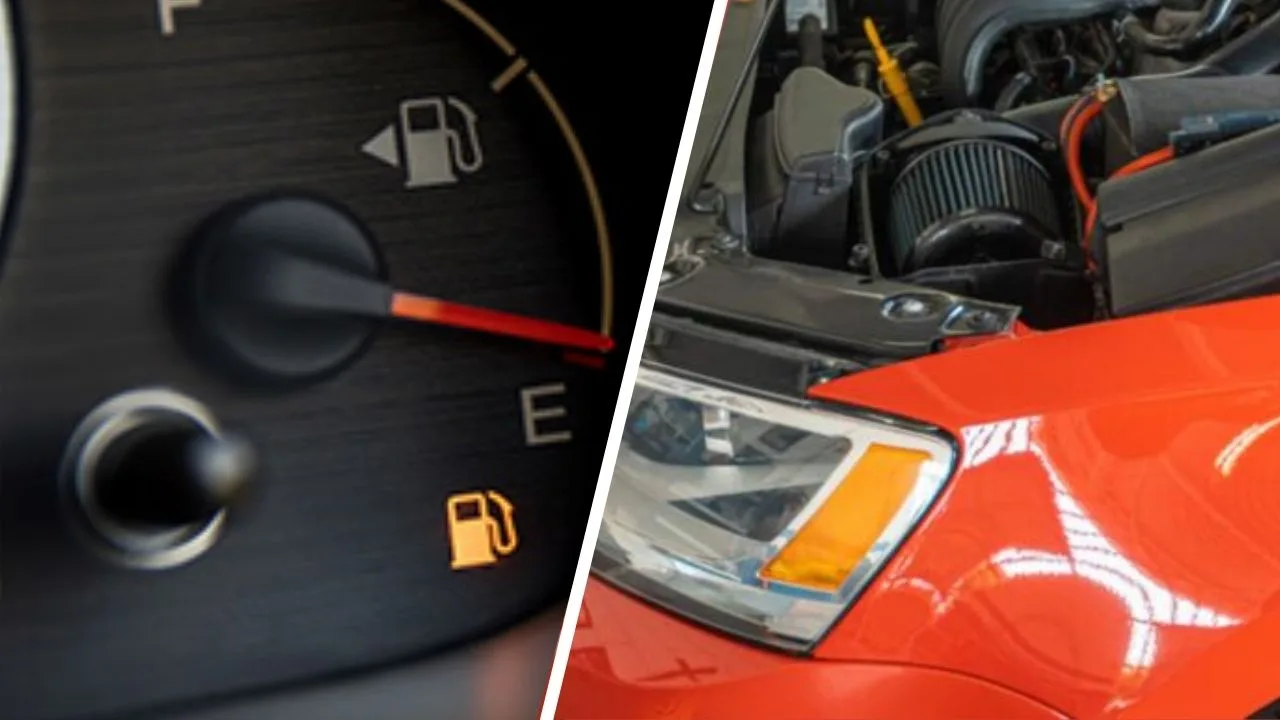
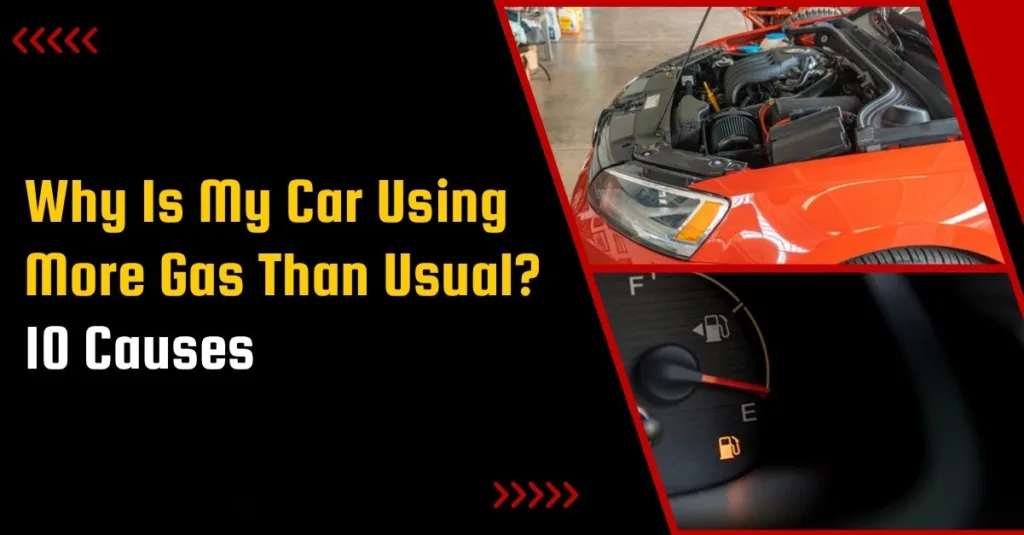
If you have recently noticed that your car is using more gas than usual, you are not alone. A sudden drop in fuel economy can be caused by something as simple as low tire pressure or as serious as a fuel-system problem. Why Is My Car Using More Gas Than Usual? 10 Causes is a question many drivers ask when they find themselves visiting the gas station more often than normal. Understanding what is causing the increased fuel consumption can help you avoid unnecessary repairs, reduce your fuel costs, and protect your engine from further damage.
Your driving habits, vehicle condition, weather, traffic, and maintenance all affect fuel economy. However, when fuel consumption changes noticeably without an obvious reason, it is worth investigating. In this guide, we will look at the 10 most common causes of poor gas mileage and explain what you can do about each one.
Why Is My Car Using More Gas Than Usual? 10 Causes to Check First
A car that suddenly starts using more fuel may be experiencing a mechanical problem, increased resistance, incorrect engine operation, or simply a change in driving conditions. Here are the most common causes to investigate.
1. Low or Incorrect Tire Pressure
One of the easiest things to check is also one of the most frequently overlooked. Tires that are underinflated create more rolling resistance, forcing the engine to work harder to move the vehicle.
Even if the tires do not look visibly flat, they may be several PSI below the recommended pressure. Cold weather can also reduce tire pressure, which is why many drivers notice poorer fuel economy during winter.
Check the pressure when the tires are cold and compare it with the manufacturer’s recommended specification, usually found on the driver’s door-jamb sticker or in the owner’s manual. Do not use the maximum pressure printed on the tire sidewall as your normal target.
2. Aggressive Driving and Excessive Idling
Your driving style can have a major effect on fuel consumption. Rapid acceleration, hard braking, high-speed driving, and frequent engine revving all increase the amount of fuel your engine needs.
Excessive idling is another common problem. Your vehicle consumes fuel while the engine is running even though you are not moving. Sitting in traffic with the engine running for long periods, warming up the car unnecessarily, or leaving the engine running while parked can add up over time.
Try accelerating smoothly, maintaining a steady speed, anticipating traffic, and avoiding unnecessary idling. These simple changes can improve fuel economy without requiring any mechanical repairs.
3. Dirty or Clogged Engine Air Filter
The engine needs a steady supply of clean air to burn fuel efficiently. A heavily clogged air filter can restrict airflow and may contribute to poor engine performance and reduced fuel economy.
A dirty air filter does not always cause dramatic symptoms. You may simply notice sluggish acceleration, reduced engine response, or gradually increasing fuel consumption.
Air filter replacement intervals vary between vehicles and driving environments. Cars driven in dusty conditions may require more frequent inspections. During routine maintenance, have the filter checked rather than automatically assuming it is still clean.
4. Faulty Oxygen or Air-Fuel Ratio Sensor
Modern engines constantly monitor the amount of oxygen in the exhaust to determine whether the engine is receiving the correct air-fuel mixture. Oxygen sensors and air-fuel ratio sensors provide important information to the engine computer.
If one of these sensors becomes inaccurate or fails, the engine may receive an overly rich mixture, meaning more fuel is being used than necessary.
A faulty sensor may also trigger the check engine light. Other symptoms can include poor acceleration, rough running, unusual exhaust emissions, or a noticeable drop in fuel economy.
Do not replace an oxygen sensor simply because the check engine light is on. The correct diagnostic trouble code and testing procedure should be used to identify the actual problem.
5. Worn Spark Plugs or Ignition Problems
Gasoline engines need a strong and correctly timed spark to burn the air-fuel mixture efficiently. Worn spark plugs, damaged ignition coils, or other ignition problems can cause incomplete combustion.
When combustion is not occurring properly, the engine may feel rough, hesitate during acceleration, or struggle under load. Fuel economy can also suffer because some of the fuel is not being converted into useful power efficiently.
If your vehicle is approaching its recommended spark plug service interval, inspect the plugs and ignition system. A misfire should never be ignored because continued driving can potentially damage the catalytic converter and increase repair costs.
6. Dirty or Faulty Fuel Injectors
Fuel injectors are responsible for delivering the correct amount of fuel into the engine. Over time, deposits or injector problems can affect the spray pattern and fuel delivery.
A dirty injector may cause rough idling, hesitation, reduced acceleration, or inconsistent engine performance. In some cases, an injector may leak or deliver too much fuel, resulting in excessive consumption.
Fuel injector problems require proper diagnosis. Avoid repeatedly adding fuel-system cleaning products without first determining whether the injectors are actually responsible for the problem.
7. Engine Running Too Cold Because of a Thermostat Problem
Your engine is designed to operate within a specific temperature range. The thermostat helps control coolant flow so the engine can warm up properly.
If the thermostat becomes stuck open, the engine may take too long to reach its normal operating temperature. The engine computer may respond by maintaining a richer mixture for longer than necessary, potentially reducing fuel economy.
You may notice that the temperature gauge stays lower than normal, the heater does not produce as much heat as it normally does, or the engine takes an unusually long time to warm up.
A cooling-system problem should be diagnosed rather than ignored, because engine temperature affects both performance and long-term reliability.
8. Dragging Brakes
Your engine may be working perfectly while another component is quietly making it work harder. A brake caliper that does not release properly can create constant resistance at one wheel.
When a brake is dragging, the engine has to overcome that additional resistance every time you drive. Fuel consumption can increase, and the vehicle may feel slower than usual.
Other warning signs include the car pulling to one side, a burning smell after driving, unusual brake noise, or one wheel becoming significantly hotter than the others.
If you suspect a dragging brake, have the vehicle inspected promptly. Driving with severely overheated brakes can become a serious safety issue.
9. Wheel Alignment, Tire Problems, or Excessive Rolling Resistance
Incorrect wheel alignment can increase rolling resistance and cause your tires to wear unevenly. Hitting potholes, curbs, or road debris can knock the wheels out of alignment.
Look for uneven tread wear, steering-wheel vibration, or a vehicle that pulls toward one side when you are driving on a reasonably level road.
Incorrect tire pressure, inappropriate tires, severe tire wear, or alignment problems can all contribute to reduced fuel economy. Keeping the wheels and tires properly maintained helps your engine use less energy to move the vehicle.
10. A Fuel Leak or Fuel-System Problem
A fuel leak is one of the most important causes to consider because it can be both expensive and dangerous. If fuel is escaping from a damaged line, tank, injector, or another component, your fuel level can drop faster than expected.
Possible warning signs include a strong gasoline smell, visible fuel underneath the vehicle, unusually rapid fuel consumption, or damp areas around fuel-system components.
If you smell gasoline strongly or see a fuel leak, do not ignore it. Park the vehicle safely, switch off the engine, keep away from flames and sparks, and arrange for professional inspection. A suspected fuel leak is not a problem that should be solved by simply driving until the tank is empty.
Other Things That Can Increase Fuel Consumption
Not every increase in fuel consumption means your car has a mechanical fault. Sometimes the change is caused by how and where you drive.
Short trips are particularly inefficient because the engine may spend much of the journey warming up. Heavy traffic, frequent stop-and-go driving, cold weather, strong winds, steep hills, and high speeds can all reduce fuel economy.
Using the air conditioner can also increase fuel consumption, particularly in heavy traffic or during very hot weather. Carrying unnecessary weight in the trunk, using a roof rack, or transporting large loads can have an additional effect.
For this reason, compare fuel economy over several tanks rather than judging it from one unusually difficult week of driving.
How to Diagnose Why Your Car Is Using More Gas
Before spending money on parts, follow a simple diagnostic process.
Step 1: Confirm the Fuel Economy Change
Do not rely only on the dashboard estimate. Record how much fuel you add and how many miles or kilometers you drive between fill-ups. Comparing several tanks gives you a much better picture of your actual fuel economy.
Step 2: Check Tire Pressure
Inspect all four tires when they are cold. Correct the pressure according to the vehicle manufacturer’s recommendation.
Step 3: Look for Warning Lights
If the check engine light is illuminated, an OBD-II scan can help identify stored diagnostic trouble codes. However, a code is a starting point for diagnosis, not automatically proof that a particular component needs replacement.
Step 4: Inspect Basic Maintenance Items
Check the engine air filter, spark plug service history, fluid levels, and other maintenance items listed in your owner’s manual.
Step 5: Pay Attention to Driving Symptoms
Notice whether the vehicle is running rough, hesitating, pulling to one side, taking longer to warm up, braking unusually, or producing unusual smells.
Step 6: Have the Vehicle Professionally Diagnosed
If basic checks do not identify the problem, a qualified technician can inspect fuel trims, oxygen-sensor data, ignition performance, injector operation, brake temperatures, alignment, and other systems that affect fuel consumption.
Common Mistakes Drivers Make
- Replacing expensive sensors without proper diagnosis.
- Ignoring tire pressure because the tires look normal.
- Using premium fuel when the vehicle does not require it.
- Assuming one poor fuel-economy reading means the engine has failed.
- Ignoring a strong gasoline smell.
- Continuing to drive with a severe misfire.
- Overinflating tires beyond the manufacturer’s recommended pressure.
- Adding multiple fuel-system cleaning products without identifying the actual problem.
How to Improve Your Car’s Fuel Economy
Once mechanical problems have been ruled out, several simple habits can help reduce fuel consumption.
- Maintain the recommended tire pressure.
- Accelerate smoothly instead of making unnecessary hard launches.
- Avoid excessive idling.
- Keep up with scheduled engine maintenance.
- Replace filters and spark plugs when required.
- Remove unnecessary heavy items from the vehicle.
- Check wheel alignment after significant pothole or curb impacts.
- Use the air conditioner sensibly.
- Keep track of fuel economy between fill-ups.
- Investigate sudden changes instead of assuming they are normal.
When Should You Stop Driving?
Increased fuel consumption alone does not always mean you need to stop driving immediately. However, certain symptoms require urgent attention.
Stop in a safe location and seek professional help if you notice a strong gasoline smell, visible fuel leakage, smoke, severe engine misfiring, major loss of power, overheating, or brakes that appear to be overheating.
These symptoms can indicate safety-critical problems that should not be ignored simply because the vehicle is still moving.
Conclusion
If you are wondering, Why Is My Car Using More Gas Than Usual? 10 Causes can range from simple maintenance issues to problems that require professional diagnosis. Low tire pressure, driving habits, dirty filters, faulty sensors, ignition problems, fuel injectors, engine temperature issues, dragging brakes, alignment problems, and fuel leaks are all worth considering.
The best approach is to avoid guessing and replacing parts unnecessarily. Start with simple checks such as tire pressure and fuel-economy records, then move toward professional diagnostics if the problem continues.
Keeping your vehicle properly maintained not only helps reduce fuel costs but can also identify small problems before they become expensive repairs. If your fuel economy suddenly changes and does not return to normal, treat it as a useful warning that your car deserves closer attention.
Frequently Asked Questions
1. Why is my car suddenly using more gas than usual?
A sudden increase in fuel consumption can be caused by low tire pressure, aggressive driving, a dirty air filter, faulty oxygen sensors, worn spark plugs, fuel injector problems, dragging brakes, alignment issues, or a fuel-system problem. Changes in weather and driving conditions can also affect fuel economy.
2. Can low tire pressure cause poor gas mileage?
Yes. Underinflated tires increase rolling resistance, meaning the engine has to work harder to move the vehicle. Check tire pressure regularly when the tires are cold and use the manufacturer’s recommended pressure.
3. Can a bad oxygen sensor make a car use more fuel?
Yes. A faulty oxygen or air-fuel ratio sensor can provide incorrect information to the engine computer, potentially causing an inefficient air-fuel mixture. Proper diagnostic testing should be performed before replacing the sensor.
4. Why is my car using more gas but there is no check engine light?
Not every fuel-economy problem triggers a warning light. Tire pressure, driving habits, excessive idling, wheel alignment, brake drag, heavy loads, weather, and other factors can increase fuel consumption without setting a diagnostic trouble code.
5. Is increased fuel consumption a sign that my car needs servicing?
It can be. If fuel economy has changed noticeably and remains poor despite normal driving conditions, checking maintenance items and having the vehicle inspected is a good idea. Early diagnosis can prevent a small issue from becoming a much more expensive repair.