Check Engine Light On but Car Runs Fine – Should You Drive?
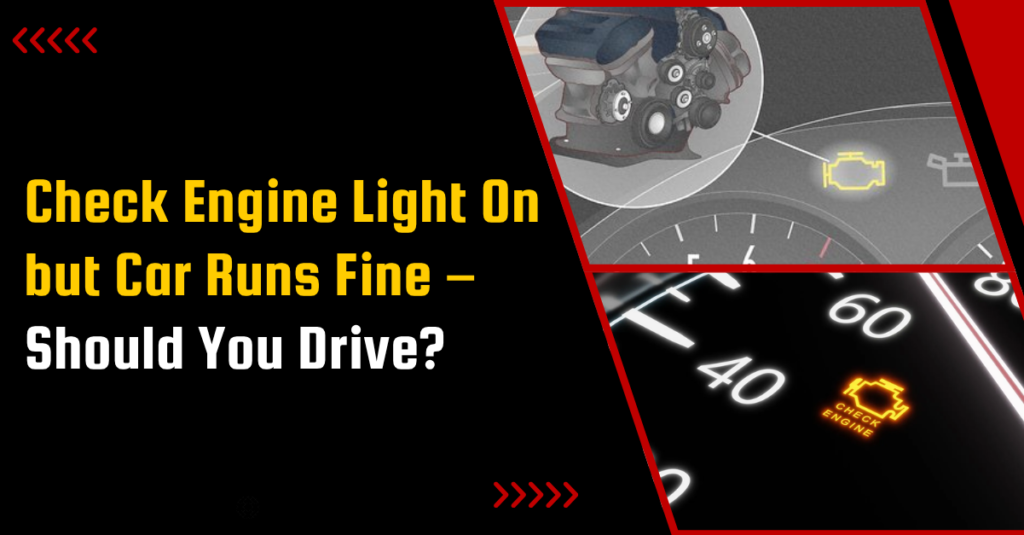
Check Engine Light On but Car Runs Fine – Should You Drive?
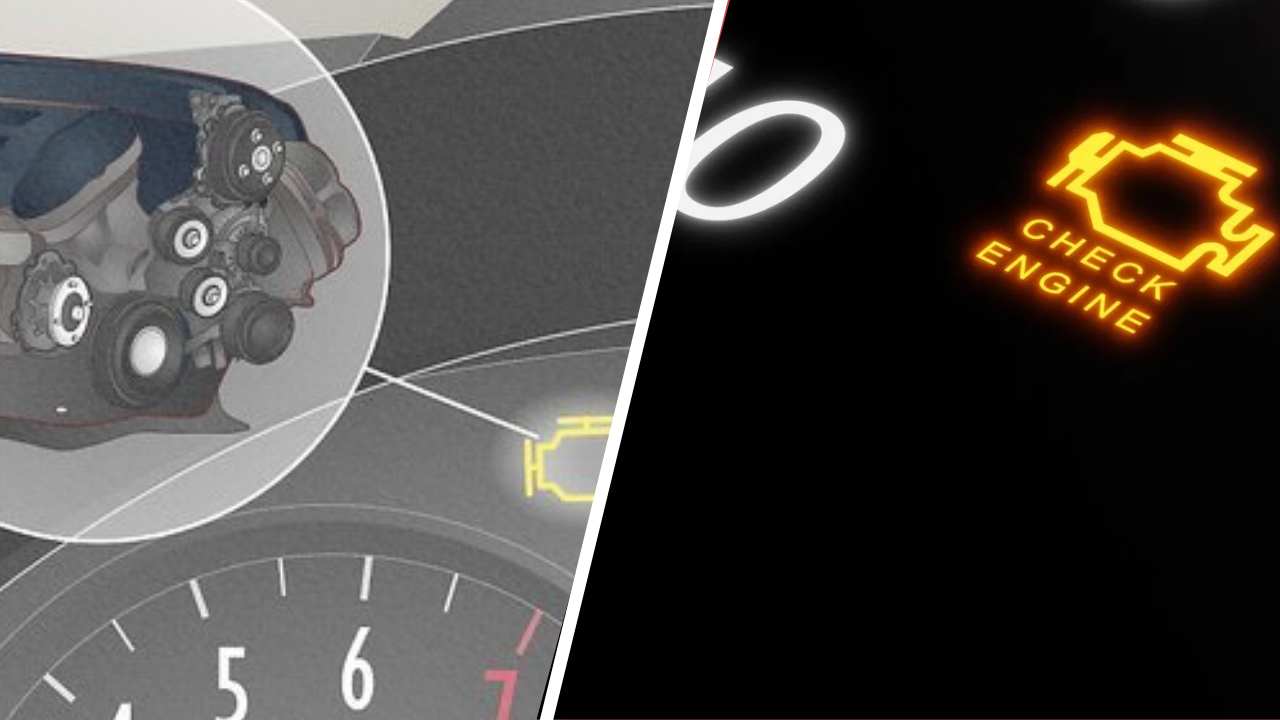
If your check engine light is on but your car runs fine, it can be tempting to ignore it. The engine sounds normal, acceleration feels good, and there may be no unusual noises or smells. But a normal driving experience doesn’t necessarily mean there is no problem.
The check engine light can appear because of something relatively minor, such as a loose fuel cap, or because of an issue involving the ignition, fuel, emissions, or engine-management system. Some faults produce no noticeable symptoms at first.
The most important thing to determine is whether the light is steady or flashing. A steady light usually allows you to drive cautiously to arrange a diagnostic check, while a flashing light can indicate a more urgent problem.
Check Engine Light On but Car Runs Fine – Should You Drive?
If the check engine light is steady and your car is running normally, a short trip to a repair shop is often reasonable. Drive gently and arrange a diagnostic inspection as soon as possible.
A steady light doesn’t automatically mean the vehicle is unsafe to drive. However, it shouldn’t be ignored for weeks or months because some problems can become more serious over time.
A flashing light is different. If it begins flashing, particularly when the engine is shaking, losing power, or running roughly, safely stop driving and seek professional assistance.
What Does a Steady Check Engine Light Mean?
A steady check engine light means the vehicle’s onboard diagnostic system has detected a fault and stored information about it.
The problem may involve:
- Engine sensors
- Fuel delivery
- Ignition components
- Emissions equipment
- Air intake systems
- Evaporative emissions
- Exhaust components
The car may continue to drive normally because the fault isn’t severe enough to noticeably affect performance yet.
What Does a Flashing Check Engine Light Mean?
A flashing check engine light generally requires more immediate attention. One common cause is a severe engine misfire that can damage the catalytic converter if the vehicle continues operating under those conditions.
Take extra care if the flashing light is accompanied by:
- Engine shaking
- Severe hesitation
- Loss of power
- Strong fuel smell
- Smoke
- Overheating
- Loud or unusual engine noises
In these circumstances, safely pull over and arrange professional assistance rather than continuing your journey.
Why Is the Check Engine Light On If the Car Feels Normal?
Modern vehicles continuously monitor numerous systems. The computer can identify a problem before the driver notices a change in performance.
Common causes include:
- Loose or damaged fuel cap
- Faulty oxygen sensor
- Mass airflow sensor problem
- EVAP system leak
- Worn spark plug
- Failing ignition coil
- Fuel injector problem
- Vacuum or intake leak
- Catalytic converter issue
- Other engine-management sensor faults
The dashboard light alone cannot tell you which component has failed. The vehicle needs to be scanned and, when necessary, tested further.
1. Loose or Damaged Gas Cap
A poorly sealed fuel cap can allow fuel vapors to escape and trigger an evaporative-emissions fault.
If the warning appeared soon after refueling, check that the fuel cap is correctly installed and sealed. If the light stays on, don’t automatically assume the cap is the only problem.
2. Faulty Oxygen Sensor
Oxygen sensors monitor the exhaust and provide information used by the engine computer to control fuel mixture.
A failing sensor may initially cause little or no noticeable change in driving. Later, it can contribute to poor fuel economy, increased emissions, or engine-performance problems.
An oxygen-sensor code doesn’t always mean the sensor itself needs replacement. Wiring, exhaust leaks, or fuel-mixture problems can sometimes produce related diagnostic codes.
3. Bad Spark Plug or Ignition Coil
Spark plugs and ignition coils are essential for combustion. A weak ignition component can begin with occasional misfires that the driver barely notices.
As the problem develops, symptoms can include:
- Rough idle
- Hesitation
- Engine vibration
- Poor acceleration
- Reduced fuel economy
- Difficulty starting
If the engine starts running roughly and the check engine light flashes, stop driving unless necessary to reach a safe location.
4. EVAP System Leak
The evaporative emissions system controls fuel vapors from the fuel tank. A small leak may trigger the check engine light without affecting normal driving.
Possible causes include a faulty fuel cap, cracked vapor hose, defective purge valve, or another damaged EVAP component.
5. Mass Airflow Sensor Problem
The mass airflow sensor measures incoming air so the engine computer can calculate the appropriate fuel mixture.
If the sensor becomes contaminated or develops an electrical fault, the vehicle may still run normally at first. Possible symptoms later include rough idle, hesitation, stalling, and poor fuel economy.
6. Catalytic Converter Problems
The catalytic converter reduces harmful emissions from the exhaust. A problem with its efficiency can trigger the check engine light before major driving symptoms appear.
Ignoring the underlying problem can lead to more expensive repairs, particularly if an ignition or fuel-system fault is contributing to excessive exhaust heat.
7. Vacuum or Intake Leak
An intake or vacuum leak can allow unmetered air into the engine and affect the air-fuel mixture.
Small leaks may be difficult to notice. Larger leaks can cause:
- High or unstable idle
- Hissing noises
- Hesitation
- Stalling
- Poor fuel economy
Can You Drive With a Check Engine Light On?
Use the light’s behavior and the vehicle’s condition as your guide.
Steady Light and Normal Driving
If the light is steady and the vehicle feels normal, limit driving to what is necessary and arrange a diagnostic check soon.
Flashing Light or Severe Symptoms
A flashing light combined with rough running, major power loss, smoke, overheating, or unusual noises requires immediate attention. Safely stop and seek professional help.
Other Warning Lights
If the check engine light appears together with an oil-pressure, overheating, brake, or other critical warning, don’t assume it is a simple engine-management fault. Follow the vehicle manufacturer’s safety guidance and stop if necessary.
How Long Can You Drive With the Check Engine Light On?
There is no reliable mileage or time limit that applies to every vehicle.
One car may have a minor emissions fault, while another may have an early-stage mechanical problem. Without identifying the stored diagnostic code and understanding the vehicle’s symptoms, it’s impossible to give a safe number of miles.
The practical approach is to have the vehicle checked as soon as possible and stop driving if the symptoms become worse.
How to Diagnose a Check Engine Light
Step 1: Check Whether the Light Is Steady or Flashing
This immediately helps determine the urgency of the situation.
Step 2: Look for Other Symptoms
Pay attention to shaking, hesitation, unusual smells, reduced power, overheating, smoke, or changes in fuel economy.
Step 3: Read the Diagnostic Trouble Code
An OBD-II scan tool can retrieve diagnostic trouble codes from compatible vehicles.
These codes provide a starting point for diagnosis. They do not always identify the exact part that needs replacement.
Step 4: Find the Root Cause
Depending on the code, further testing may involve sensors, wiring, ignition components, fuel pressure, vacuum leaks, exhaust components, or other systems.
What Happens If You Ignore the Check Engine Light?
The consequences depend on the underlying fault.
A small emissions problem may remain relatively minor, while an ignition or fuel-related problem could become more expensive if left untreated. Continued engine misfires, for example, can potentially overheat and damage the catalytic converter.
Ignoring the warning can also make it harder to identify when a new problem develops because the dashboard light is already illuminated.
Common Mistakes to Avoid
Don’t Simply Clear the Code
Clearing the warning doesn’t repair the fault. If the problem remains, the light will usually return.
Don’t Replace Parts Based Only on the Code
A diagnostic code identifies a detected condition or system. Proper testing is needed to determine the actual cause.
Don’t Ignore a Flashing Light
A flashing warning deserves much more attention than a steady light, particularly when the engine is running poorly.
Don’t Disconnect the Battery Just to Turn the Light Off
This can erase useful diagnostic information and reset emissions monitors without fixing the underlying problem.
How to Prevent Check Engine Problems
Regular maintenance can reduce the likelihood of many engine and emissions faults.
- Follow the manufacturer’s maintenance schedule.
- Replace spark plugs and filters when recommended.
- Use the correct engine oil and fuel specifications.
- Keep the fuel cap properly sealed.
- Inspect hoses and wiring for damage.
- Address unusual engine behavior promptly.
- Don’t ignore warning lights.
- Have recurring diagnostic codes properly investigated.
Conclusion
If your check engine light is on but your car runs fine, don’t panic, but don’t ignore it either.
A steady light with normal vehicle behavior often allows you to drive cautiously to a repair facility. A flashing light, especially with shaking, loss of power, overheating, smoke, or other serious symptoms, requires much more immediate attention.
The key is to find out why the light came on rather than simply turning it off. An OBD-II scan can provide the first clue, but proper diagnosis is needed to determine the actual cause.
Getting the problem checked early can help prevent reduced fuel economy, drivability issues, emissions problems, and potentially expensive secondary damage.
Frequently Asked Questions
1. Can I drive my car if the check engine light is on but it runs fine?
If the light is steady and the car is operating normally, a short drive to have the vehicle diagnosed is often reasonable. Arrange an inspection as soon as practical.
2. Is a solid check engine light serious?
A solid light is generally less urgent than a flashing one, but it still means the vehicle has detected a fault that should be investigated.
3. What does a flashing check engine light mean?
A flashing light can indicate a serious active fault, commonly a severe misfire. Continued driving may cause additional damage, so safely stop and seek professional assistance.
4. Can a bad gas cap cause a check engine light?
Yes. A loose or damaged fuel cap can cause an evaporative-emissions leak and trigger the warning. If the light remains on, further diagnosis may be necessary.
5. How can I find out why my check engine light is on?
An OBD-II scan can retrieve the stored diagnostic trouble code. The code helps identify the system involved, but additional testing may be required to determine the exact cause.