How Much Does It Cost to Fix Engine Misfire (USA)? Repair Costs Explained
How Much Does It Cost to Fix Engine Misfire (USA)? Complete Repair Guide
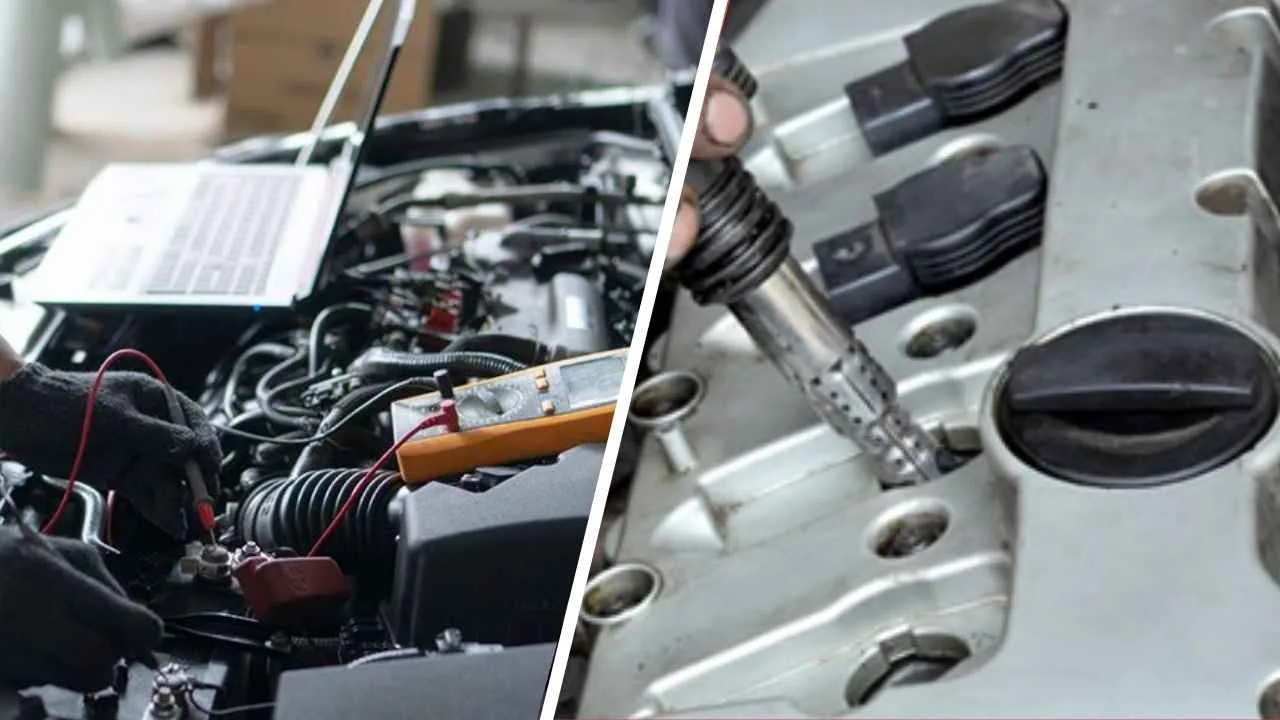
How Much Does It Cost to Fix Engine Misfire (USA)? If your car is shaking, losing power, idling rough, or showing a flashing check engine light, there’s a good chance the engine is misfiring. Engine misfires are one of the most common vehicle problems in the United States, and repair costs can range from a simple affordable fix to a very expensive engine repair depending on the cause.
In this complete guide, we’ll explain what an engine misfire is, the most common causes, warning signs, repair costs in the USA, and how to prevent the issue from getting worse.
What Is an Engine Misfire?
An engine misfire happens when one or more cylinders fail to burn fuel properly. Modern engines rely on a perfect balance of fuel, air, spark, and compression. If any of these are missing or weak, the cylinder may not fire correctly.
This can lead to:
- Rough idling
- Loss of power
- Poor fuel economy
- Engine shaking
- Check engine light warnings
Misfires can happen occasionally or continuously depending on the severity of the problem.
How Much Does It Cost to Fix Engine Misfire (USA)?
The cost to fix an engine misfire in the USA depends entirely on what’s causing the issue. Some repairs cost under $100, while major engine repairs can exceed several thousand dollars.
Average Engine Misfire Repair Costs in the USA
- Spark plug replacement: $100–$350
- Ignition coil replacement: $150–$500
- Fuel injector cleaning: $100–$300
- Fuel injector replacement: $250–$800
- Vacuum leak repair: $150–$600
- Mass airflow sensor replacement: $200–$450
- Oxygen sensor replacement: $150–$400
- Compression repair: $1,000–$4,000+
- Head gasket repair: $1,200–$3,500
- Engine rebuild: $3,000–$7,000+
Labor rates vary depending on location, vehicle type, and repair shop pricing.
Common Causes of Engine Misfires
1. Worn Spark Plugs
Spark plugs create the spark needed to ignite fuel inside the cylinder. Old or damaged plugs are among the most common causes of engine misfires.
Symptoms:
- Rough idle
- Hard starting
- Poor acceleration
2. Bad Ignition Coils
Ignition coils provide voltage to the spark plugs. When they fail, cylinders may stop firing properly.
3. Fuel Injector Problems
Dirty or clogged injectors can prevent fuel from reaching the cylinders.
4. Vacuum Leaks
Cracked hoses or leaking intake components can disrupt the air-fuel mixture.
5. Low Compression
Internal engine damage can reduce cylinder compression and cause severe misfires.
6. Faulty Sensors
Sensors like the mass airflow sensor or oxygen sensor help control engine performance.
7. Head Gasket Failure
A blown head gasket can allow coolant or oil into the cylinders.
Warning Signs of an Engine Misfire
Recognizing the symptoms early can prevent expensive repairs later.
Common symptoms include:
- Check engine light flashing
- Engine shaking or vibration
- Loss of acceleration
- Jerking while driving
- Poor fuel economy
- Loud popping sounds
- Strong fuel smell
- Difficulty starting the engine
A flashing check engine light usually means the misfire is severe and should be addressed immediately.
How Mechanics Diagnose Engine Misfires
Step 1: Scan for Diagnostic Trouble Codes
Mechanics use OBD2 scanners to identify which cylinder is misfiring.
Common codes include:
- P0300 – Random misfire
- P0301–P0308 – Specific cylinder misfires
Step 2: Inspect Spark Plugs and Coils
Worn ignition components are checked first.
Step 3: Test Fuel Delivery
Fuel pressure and injector operation are examined.
Step 4: Check for Vacuum Leaks
Smoke tests may be used to find leaks.
Step 5: Perform Compression Testing
This checks internal engine health.
Step-by-Step Solutions for Engine Misfires
1. Replace Spark Plugs
New spark plugs often solve minor misfires quickly and affordably.
2. Replace Faulty Ignition Coils
Bad coils should be replaced immediately to restore engine performance.
3. Clean or Replace Fuel Injectors
Injector cleaning can improve fuel flow and combustion.
4. Repair Vacuum Leaks
Replacing cracked hoses restores proper airflow.
5. Replace Faulty Sensors
Mass airflow sensors and oxygen sensors affect fuel delivery.
6. Repair Internal Engine Damage
Serious compression issues may require head gasket repair or engine rebuilding.
Real-World Examples and Practical Tips
Many engine misfire problems are simpler than drivers expect:
- A driver experiencing rough idle fixed the issue with a $150 spark plug replacement
- A flashing check engine light turned out to be a failed ignition coil
- A vacuum leak caused poor acceleration and rough running until repaired
Early diagnosis almost always reduces repair costs.
Common Mistakes to Avoid
- Ignoring the check engine light
- Continuing to drive with severe misfires
- Replacing random parts without diagnosis
- Using low-quality ignition components
- Skipping maintenance intervals
These mistakes can lead to catalytic converter damage and major engine repairs.
Safety Risks of Driving With an Engine Misfire
- Reduced engine power
- Increased risk of stalling
- Damage to catalytic converters
- Poor acceleration in traffic
- Possible engine overheating
A severe misfire can become dangerous if ignored too long.
How to Prevent Engine Misfires
Follow Maintenance Schedules
- Replace spark plugs on time
- Inspect ignition coils regularly
Use Quality Fuel
Good fuel helps keep injectors clean.
Fix Small Problems Early
Minor issues become expensive when ignored.
Inspect Vacuum Hoses
Old hoses should be replaced before cracking.
Keep the Engine Tuned Properly
Routine tune-ups improve reliability and performance.
Conclusion
How Much Does It Cost to Fix Engine Misfire (USA)? The answer depends on what’s causing the problem. Minor fixes like spark plugs or ignition coils may cost only a few hundred dollars, while major engine repairs can reach several thousand.
The most important thing is to diagnose and repair the issue early. Ignoring engine misfires can damage the catalytic converter, reduce fuel economy, and eventually lead to severe engine damage. Regular maintenance, quality parts, and prompt repairs are the best ways to keep your vehicle running smoothly.
Frequently Asked Questions
1. Can I drive with an engine misfire?
It’s not recommended. Severe misfires can damage the engine and catalytic converter.
2. What is the cheapest engine misfire repair?
Spark plug replacement is usually the least expensive fix.
3. How much does it cost to replace ignition coils?
Most ignition coil replacements cost between $150 and $500 in the USA.
4. Can bad fuel cause engine misfires?
Yes, contaminated or poor-quality fuel can cause combustion problems.
5. Does a flashing check engine light mean a misfire?
Often yes. A flashing light usually indicates a serious engine misfire.