

Brake Liner Issues: Warning Signs, Causes, and When to Replace Them
Brake Liner Issues: Warning Signs, Causes, and When to Replace Them
Brake Liner Issues: Warning Signs, Causes, and When to Replace Them is a topic every vehicle owner in the USA and UK should understand. Your brakes are your car’s most critical safety system, and brake liners (often called brake pads) are at the heart of that system. When brake liners wear out or fail, stopping distances increase, braking becomes unpredictable, and the risk of accidents rises sharply. The problem is that brake liner issues often develop gradually, giving subtle warning signs that many drivers ignore until serious damage occurs.
This in-depth guide explains what brake liners are, why they matter, the most common causes of brake liner problems, how to spot early warning signs, and exactly when replacement is necessary. Whether you drive daily in city traffic or mostly on highways, this article will help you protect your safety and avoid expensive brake repairs.
What Are Brake Liners and Why Are They So Important?
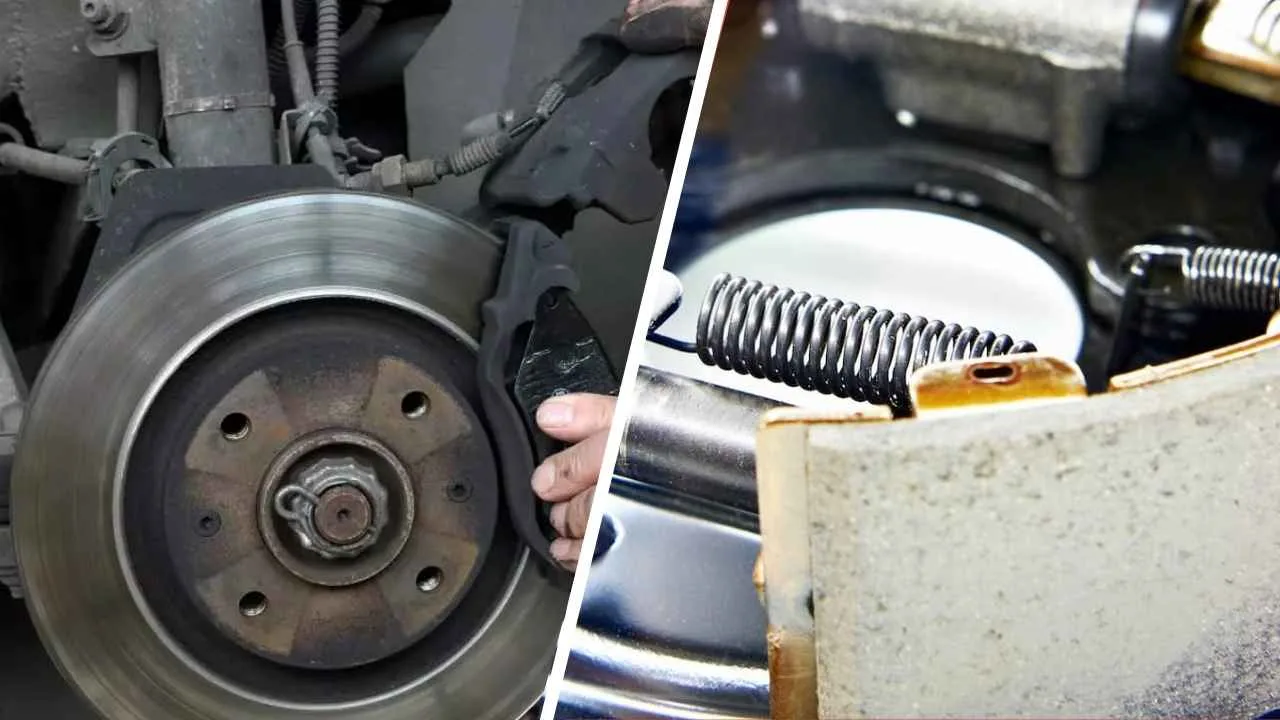
Brake liners are friction materials attached to brake pads or brake shoes. When you press the brake pedal, the brake liners press against the brake disc (rotor) or drum, creating friction that slows and stops the vehicle.
Every time you brake, a small amount of material wears away from the brake liner. This is normal and expected. However, once the liner becomes too thin, braking efficiency drops, heat builds up, and metal components can grind against each other.
Brake Liners vs Brake Pads
In modern disc brake systems, the liner is bonded to the brake pad. In drum brakes, liners are attached to brake shoes. While the terminology varies, the function is the same: providing controlled friction.
Common Causes of Brake Liner Issues
Brake liner problems don’t happen randomly. They are usually caused by driving habits, environmental factors, or mechanical issues.
Aggressive Driving
Frequent hard braking, rapid stops, and driving in heavy traffic increase friction and heat, wearing brake liners faster.
City Driving and Stop-and-Go Traffic
Urban driving in the USA and UK often involves constant braking, which accelerates liner wear compared to highway driving.
Poor Quality Brake Liners
Low-quality or cheap brake liners may wear out quickly, produce excessive dust, or fail under heat.
Sticking Brake Calipers
If a caliper does not release properly, the brake liner stays in contact with the rotor, causing uneven and rapid wear.
Driving with Heavy Loads
Towing, carrying heavy cargo, or driving a fully loaded vehicle increases braking demand.
Environmental Factors
Moisture, road salt, dirt, and debris—common in UK winters and some US regions—can accelerate wear and corrosion.
Warning Signs of Brake Liner Issues
Brake liner problems usually give clear warning signs. Recognizing them early can prevent costly damage to rotors and calipers.
Squealing or Screeching Noise
High-pitched squealing often means the brake liner has worn down to its wear indicator.
Grinding Noise
A grinding sound usually indicates the liner is completely worn, and metal is contacting metal. This requires immediate attention.
Reduced Braking Performance
If the car takes longer to stop or feels less responsive, worn brake liners may be the cause.
Vibration or Pulsation When Braking
Uneven liner wear can cause vibrations in the steering wheel or brake pedal.
Brake Warning Light
Many modern vehicles have sensors that trigger a warning light when brake liners are worn.
Visible Thin Brake Liners
If you can see less than 3mm of lining material through the wheel, replacement is due.
When Should Brake Liners Be Replaced?
There is no single mileage number that applies to all vehicles. However, general guidelines can help.
- Every 25,000–70,000 miles, depending on driving habits
- When liner thickness reaches 3mm or less
- Immediately if grinding noises occur
- Whenever rotors are replaced (recommended)
In city-heavy driving, brake liners may wear out much sooner than expected.
Step-by-Step Solutions and Best Practices
Step 1: Inspect Brake Liners Regularly
Check brake liners during tire rotations or routine service.
Step 2: Replace Liners Before They Wear Completely
Early replacement prevents rotor damage and reduces repair costs.
Step 3: Use Quality Brake Liners
Ceramic or premium semi-metallic liners offer better performance and longevity.
Step 4: Service Brake Hardware
Clean and lubricate caliper guide pins to prevent uneven wear.
Step 5: Bed in New Brake Liners Properly
Follow the manufacturer’s break-in procedure for optimal performance.
Real-World Examples and Practical Tips
In the USA, many drivers damage rotors by delaying liner replacement, turning a simple brake job into a costly repair. In the UK, frequent short trips and damp conditions often lead to faster brake wear.
Practical tips:
- Listen for new brake noises
- Check brakes before long trips
- Don’t ignore dashboard warnings
- Replace liners in axle pairs
Common Mistakes to Avoid
- Waiting until brakes grind
- Replacing liners on only one side
- Ignoring caliper or rotor condition
- Choosing the cheapest brake parts
Safety Tips and Important Warnings
Driving with worn brake liners significantly increases stopping distance. In emergency situations, this can lead to serious accidents.
- Never drive with grinding brakes
- Avoid aggressive braking when liners are thin
- Have brakes inspected immediately if warning signs appear
Prevention and Long-Term Maintenance Advice
- Inspect brakes every 10,000–15,000 miles
- Flush brake fluid as recommended
- Avoid unnecessary hard braking
- Address suspension or caliper issues early
Frequently Asked Questions
1. How long do brake liners usually last?
Brake liners typically last between 25,000 and 70,000 miles, depending on driving conditions.
2. Can I drive with worn brake liners?
Driving with worn liners is unsafe and can damage rotors and calipers.
3. Are squeaking brakes always a problem?
Occasional noise can be normal, but consistent squealing usually means liners are worn.
4. Should brake liners and rotors be replaced together?
It is recommended to replace or resurface rotors when installing new liners.
5. Is DIY brake liner replacement safe?
Experienced DIYers can replace liners, but improper installation can compromise safety.
Conclusion: Key Takeaways on Brake Liner Issues
Brake Liner Issues: Warning Signs, Causes, and When to Replace Them should never be overlooked. Brake liners wear out gradually, but the consequences of ignoring them can be sudden and severe. By understanding the causes, recognizing early symptoms, and replacing liners at the right time, you protect your safety, reduce repair costs, and ensure reliable braking performance.
When it comes to brakes, prevention and timely action are always better—and cheaper—than waiting for failure.


