Why Is My Car Burning Oil but Not Leaking? Causes and Fixes
Why Is My Car Burning Oil but Not Leaking? Causes and Fixes
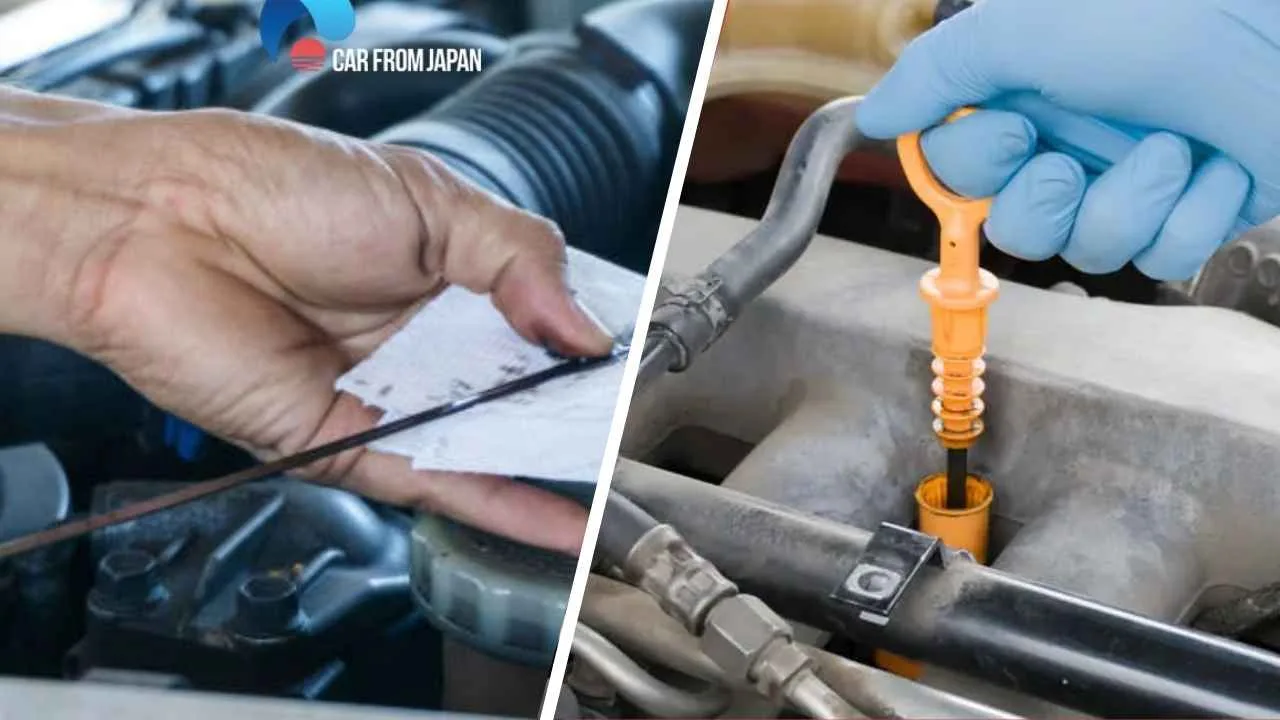
If your car’s oil level keeps dropping but you can’t find a puddle underneath it, you may be wondering, “Why is my car burning oil but not leaking?” This is a common problem, especially on higher-mileage vehicles, and it should not be ignored. When an engine consumes oil internally, the oil may enter the combustion chamber and burn with the fuel instead of escaping onto the ground.
A small amount of oil consumption can sometimes be normal, depending on the vehicle, engine design, mileage, and driving conditions. However, a noticeable drop between oil changes can point to worn or damaged engine components. In some cases, a relatively inexpensive PCV system problem may be responsible. In more serious situations, worn piston rings, valve stem seals, or cylinder damage can lead to a much larger repair bill.
The good news is that finding the cause early can prevent expensive engine damage. This guide explains why a car can burn oil without an obvious leak, the warning signs to watch for, how mechanics diagnose the problem, and what you can do to protect your engine.
What Does It Mean When a Car Burns Oil but Doesn’t Leak?
Engine oil is designed to lubricate moving components, reduce friction, help control temperature, and protect internal engine parts. It should remain largely contained within the engine’s lubrication system.
When oil disappears without a visible external leak, one possibility is that the engine is burning oil internally. This happens when oil gets past seals, piston rings, or other components and enters areas where combustion takes place.
Once inside the combustion chamber, the oil can burn along with the air-fuel mixture. The amount may be small enough that you never see smoke from the exhaust, particularly on newer vehicles equipped with modern emissions-control systems.
Another possibility is that the oil is leaking internally into areas where it doesn’t immediately reach the ground. For example, a failed gasket or seal can allow oil to enter parts of the engine where it may eventually burn off.
Why Is My Car Burning Oil but Not Leaking?
There are several possible causes. Some are relatively simple to repair, while others can indicate significant engine wear.
1. Worn or Stuck Piston Rings
Piston rings are critical components inside the engine. They help seal combustion pressure inside the cylinders while controlling the amount of oil that remains on the cylinder walls.
When piston rings become worn, damaged, or stuck because of carbon deposits, excessive oil can move past them and enter the combustion chamber.
The engine then burns the oil during combustion.
Typical signs may include:
- Low engine oil levels without an obvious leak
- Blue or blue-gray exhaust smoke
- Higher oil consumption during acceleration
- Reduced engine performance
- Lower compression in one or more cylinders
- Increased emissions
Worn piston rings are one of the more serious causes because repairing them may require substantial engine disassembly.
2. Worn Valve Stem Seals
Valve stem seals help prevent engine oil from entering the combustion chamber around the intake and exhaust valves.
As these seals age, they can become hard, brittle, or damaged. Oil may then seep past the valve stems and enter the combustion chamber.
One classic symptom is a puff of blue smoke shortly after starting the engine, particularly after the vehicle has been parked for several hours.
You may also notice smoke after the engine has been idling for a while and you suddenly accelerate.
3. A Faulty PCV System
The positive crankcase ventilation, or PCV, system helps control pressure inside the engine crankcase and routes combustion gases back into the intake system.
If the PCV valve becomes clogged, stuck, or otherwise fails, crankcase pressure can increase. Depending on the engine design, excessive oil vapor may then be pulled into the intake system.
This can result in increased oil consumption.
The PCV system is particularly important because it is often much cheaper and easier to inspect than internal engine components.
If your vehicle is consuming oil but otherwise runs normally, a mechanic may check the PCV system early in the diagnostic process.
4. Turbocharger Oil Seal Problems
If your vehicle has a turbocharged engine, the turbocharger should also be considered.
Turbochargers operate at very high speeds and temperatures and depend on proper lubrication. A damaged turbocharger seal or worn turbo components can allow oil to enter the intake or exhaust side of the turbocharger.
Possible symptoms include:
- Increasing oil consumption
- Blue smoke from the exhaust
- Loss of engine power
- Unusual turbocharger noises
- Oil inside intake piping
A small amount of oil vapor in turbocharged intake systems can be normal, so diagnosis should be based on the vehicle’s specifications and the amount of oil present.
5. Cylinder Wall Wear
Over time, the cylinder walls inside an engine can become worn or damaged. This can affect the ability of the piston rings to control oil properly.
Excessive wear can allow more oil to enter the combustion chamber, increasing consumption.
Cylinder wear is more likely to become a concern on engines with very high mileage, poor maintenance history, overheating damage, or inadequate lubrication.
6. Incorrect Engine Oil
Using the wrong oil viscosity or specification can sometimes contribute to increased oil consumption.
Modern engines are designed around specific oil requirements. Using an oil that is too thin, too thick, or does not meet the manufacturer’s required specification may affect lubrication and oil control.
Always check the owner’s manual or manufacturer’s specifications before changing oil type.
7. Oil Overfill
More oil is not necessarily better.
If the engine is filled beyond the manufacturer’s recommended level, the crankshaft can disturb the excess oil and create additional oil mist. In some engines, this can contribute to oil being drawn into the intake system or combustion process.
Overfilling can also create other lubrication problems, so the oil level should always be kept within the recommended range.
How Do You Know Your Car Is Burning Oil?
Not every engine that consumes oil produces obvious smoke. Modern emissions systems can make the problem difficult to see.
Look for these warning signs:
- The oil level repeatedly drops between oil changes.
- You need to add oil more frequently than before.
- Blue or blue-gray smoke comes from the exhaust.
- The engine smells like burning oil.
- The check engine light comes on.
- Spark plugs become oily or heavily carbon-fouled.
- The engine develops reduced performance.
- Fuel economy gets worse.
- The exhaust has an unusual oily smell.
Why You May Not See Blue Smoke
Many drivers assume that burning oil must produce a large cloud of blue smoke. That’s not always true.
The amount of oil being burned may be relatively small. Modern catalytic converters and emissions systems can also reduce visible smoke.
Smoke may only appear under specific conditions, such as hard acceleration, engine braking, cold starts, or after extended idling.
That’s why checking the oil level regularly is more reliable than simply looking behind the car for smoke.
How Mechanics Diagnose Oil Consumption
Finding the cause of oil consumption requires more than simply checking under the vehicle for leaks.
Step 1: Confirm the Oil Level
The first step is to verify that the engine actually has a measurable oil-consumption problem.
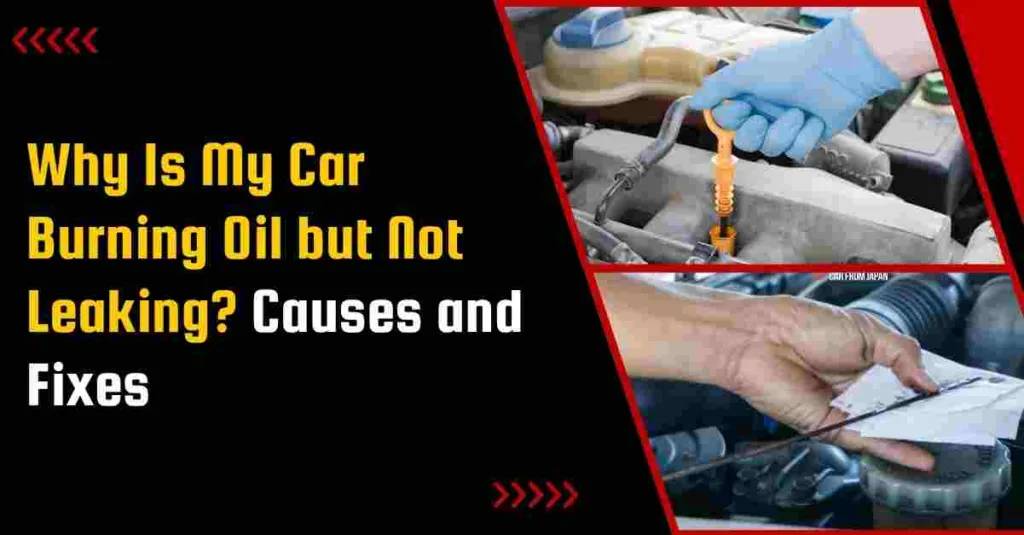
Park the vehicle on a level surface and follow the manufacturer’s procedure for checking the oil level. Some vehicles require checking when the engine is cold, while others specify a short waiting period after shutting the engine off.
Step 2: Inspect for External Leaks
A mechanic will inspect areas around the valve cover, oil pan, crankshaft seals, oil filter, drain plug, and other possible leak points.
Oil can sometimes leak onto hot engine components and burn away before reaching the ground. This means a vehicle can have an external oil leak without leaving an obvious puddle.
Step 3: Inspect the PCV System
The PCV valve, hoses, and related components may be checked for blockage, damage, or abnormal operation.
Step 4: Inspect the Spark Plugs
Spark plugs can provide useful clues. Oil contamination on one or more plugs may indicate an internal oil-control problem.
Step 5: Perform Compression or Leak-Down Testing
If internal engine wear is suspected, compression testing or a cylinder leak-down test can help identify problems with piston rings, valves, or cylinder sealing.
Step 6: Inspect the Intake and Turbo System
Turbocharged engines may require additional inspection of the turbocharger, intake piping, and intercooler system.
What Should You Do If Your Car Is Burning Oil?
Don’t immediately assume that the engine needs to be rebuilt. Start with the simplest possibilities.
- Check the oil level regularly.
- Confirm that the correct oil is being used.
- Inspect for external leaks.
- Have the PCV system checked.
- Look for exhaust smoke or burning-oil odors.
- Have the spark plugs inspected if appropriate.
- Ask a qualified mechanic about compression or leak-down testing if consumption is significant.
- Follow the manufacturer’s recommended maintenance schedule.
If the engine is consuming oil rapidly, don’t simply keep adding oil indefinitely without finding the cause. Low oil can eventually cause severe engine damage.
Can You Keep Driving a Car That Burns Oil?
It depends on how quickly the engine is losing oil and what is causing the consumption.
A vehicle with mild oil consumption may continue operating for a long time if the oil level is monitored closely and kept within the manufacturer’s recommended range.
However, rapid oil consumption is a different situation. If the oil level falls significantly between checks, the vehicle may be at risk of engine damage.
Stop driving and seek professional assistance if you notice:
- A very low oil level
- Low oil pressure warning
- Loud engine knocking
- Heavy blue smoke
- Severe loss of power
- Engine overheating
- A strong burning-oil smell combined with smoke under the hood
Common Mistakes to Avoid
Ignoring the Oil Level
The biggest mistake is assuming that because there is no visible leak, the engine must have enough oil.
Using Stop-Leak Products Without Diagnosis
Oil additives and stop-leak products are sometimes marketed as quick solutions. They may temporarily affect symptoms in certain situations, but they do not repair worn piston rings or severely damaged engine components.
Using Thicker Oil Without Checking Specifications
Some drivers switch to thicker oil hoping to reduce consumption. While certain manufacturers may approve different viscosities depending on temperature and engine condition, changing oil viscosity without checking the manufacturer’s requirements is not a good general solution.
Waiting for a Warning Light
Your dashboard oil-pressure warning light is not designed to tell you that the oil level has gradually fallen. Regular manual checks remain important.
How Much Does It Cost to Fix an Engine That Burns Oil?
The cost depends heavily on the cause.
A basic PCV component may be relatively inexpensive, while replacing valve stem seals or repairing a turbocharger can cost substantially more. Severe piston-ring or cylinder damage can require major engine work.
Because labor rates, vehicle models, parts prices, and regional costs vary significantly across the United States and United Kingdom, it’s better to get a diagnosis and written estimate before approving major repairs.
When comparing repair estimates, ask the shop to explain:
- What is causing the oil consumption?
- How was the problem diagnosed?
- What parts need replacement?
- Is engine disassembly required?
- What warranty is provided for the repair?
- What other components should be inspected while the engine is apart?
How to Prevent Excessive Oil Consumption
You cannot prevent every form of engine wear, but good maintenance can reduce the risk of serious oil-consumption problems.
- Change engine oil at the recommended intervals.
- Use the correct oil specification.
- Replace the oil filter as recommended.
- Check the oil level regularly.
- Maintain the PCV system.
- Keep the cooling system in good condition.
- Don’t ignore overheating.
- Follow recommended turbocharger maintenance where applicable.
- Address check engine lights promptly.
Regular oil changes are particularly important because contaminated or degraded oil can contribute to deposits and accelerated wear inside the engine.
A Simple Oil-Consumption Tracking Method
If you suspect your vehicle is burning oil, tracking the level can provide useful information for you and your mechanic.
- Check the oil according to the manufacturer’s procedure.
- Record the mileage.
- Record the oil level.
- Use the same checking conditions whenever possible.
- Record how much oil you add.
- Note any smoke, odors, or performance changes.
After several weeks or a few thousand miles, you’ll have much better information about how quickly the engine is consuming oil.
Conclusion: Don’t Ignore a Falling Oil Level
If you’ve been asking, “Why is my car burning oil but not leaking?”, the answer may be an internal oil-consumption problem rather than a visible external leak.
Worn piston rings, valve stem seals, PCV problems, turbocharger issues, cylinder wear, incorrect oil, and overfilling are among the possibilities. Some are relatively straightforward to repair, while others can indicate significant engine wear.
The most important thing is not to guess. Check the oil regularly, monitor how quickly it disappears, look for warning signs, and have the vehicle properly diagnosed if consumption is increasing.
A few minutes spent checking your oil can protect an engine that could cost thousands of dollars to replace. If your oil level keeps falling, don’t wait until the engine starts making noise. Find the cause while the problem is still manageable.
Frequently Asked Questions
1. Why is my car losing oil but there is no leak?
Your engine may be burning oil internally. Common causes include worn piston rings, valve stem seals, a faulty PCV system, turbocharger problems, or internal engine wear. Oil can also leak onto hot engine components and burn away without leaving a puddle.
2. Is it normal for a car to burn some oil?
Some engines can consume a small amount of oil during normal operation, particularly as mileage increases. However, rapidly falling oil levels or a noticeable increase in consumption should be investigated against the vehicle manufacturer’s specifications.
3. Can low oil damage an engine even if there is no oil leak?
Yes. An engine can become dangerously low on oil because of internal oil consumption. Insufficient lubrication can increase friction and heat and may eventually cause severe engine damage.
4. What color smoke means a car is burning oil?
Blue or blue-gray exhaust smoke is commonly associated with engine oil entering the combustion process. However, the absence of visible smoke does not rule out oil consumption.
5. Can a PCV valve cause a car to burn oil?
Yes. A faulty or clogged PCV system can affect crankcase pressure and may allow excessive oil vapor to enter the intake system. Because PCV components are generally easier to inspect than internal engine parts, they are often worth checking early in the diagnosis.