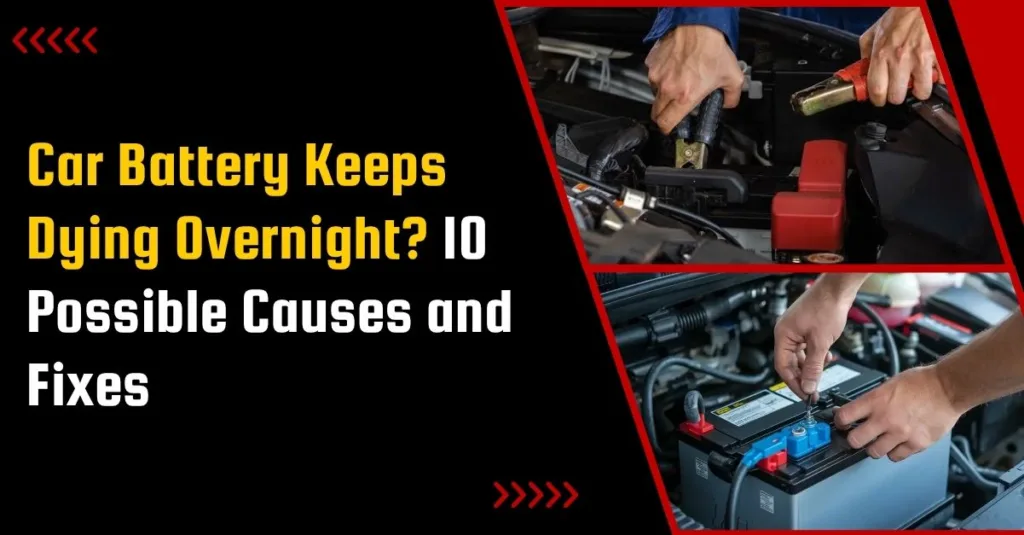
Car Battery Keeps Dying Overnight? 10 Possible Causes and Fixes
Car Battery Keeps Dying Overnight – 10 Possible Causes and How to Fix It
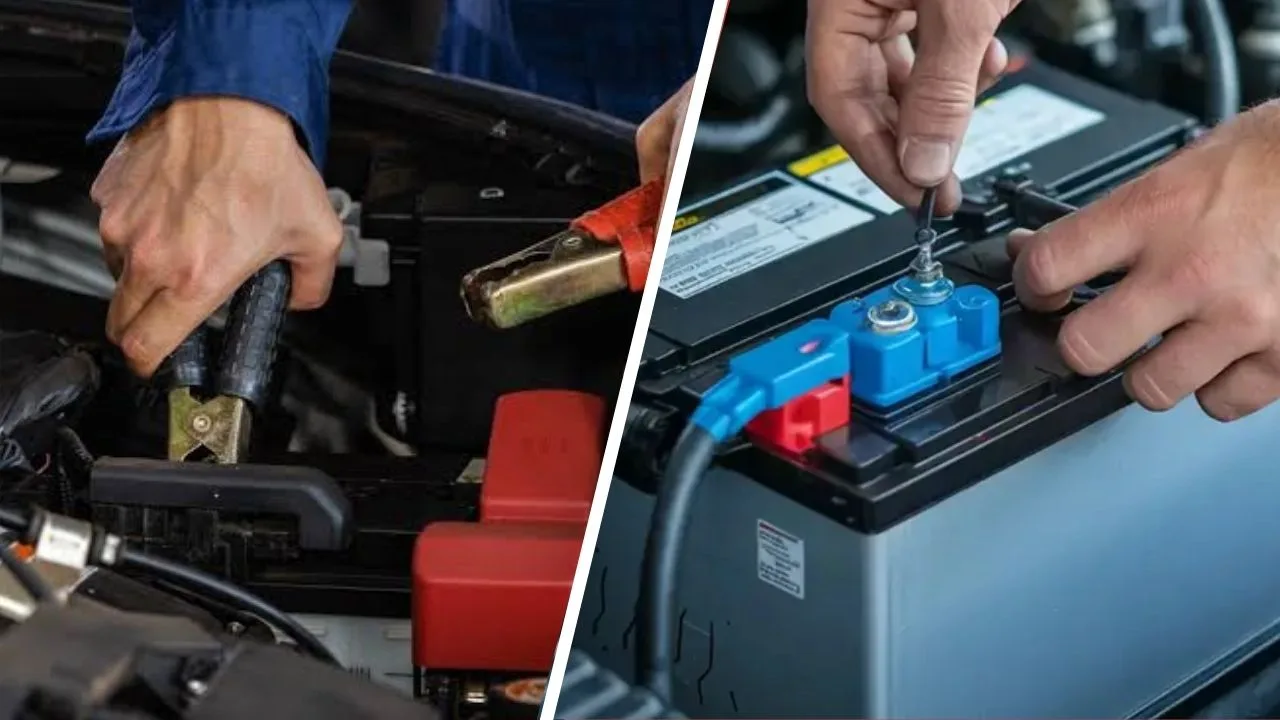
Waking up to a car that won’t start because the battery died overnight is frustrating, especially when the battery was working perfectly the day before. If your car battery keeps dying overnight, replacing the battery again and again may not solve the real problem. In many cases, something in the vehicle is drawing power while the engine is switched off.
A weak battery is certainly one possibility, but other causes include a parasitic electrical drain, lights that remain on, a faulty alternator diode, aftermarket electronics, wiring problems, or even a charging system that never fully recharges the battery.
The good news is that most of these problems can be diagnosed. This guide explains the 10 most common reasons a car battery dies overnight, what symptoms to look for, how mechanics find the problem, and what you can do to prevent it from happening again.
Why Does My Car Battery Keep Dying Overnight?
A healthy battery should normally retain enough charge to start the vehicle after sitting overnight. When the battery repeatedly becomes too weak to start the engine, there are usually three broad possibilities:
- The battery cannot hold a charge.
- The charging system is not restoring enough power.
- Something is consuming electricity while the vehicle is parked.
Modern cars have computers, security systems, keyless-entry systems, infotainment equipment, and other electronics that continue using a small amount of electricity after the engine is turned off. This is normal. The problem occurs when the electrical draw becomes excessive.
That’s why a battery can be completely dead in the morning even though you didn’t leave the headlights on.
10 Possible Causes of a Car Battery Dying Overnight
1. Parasitic Electrical Drain
One of the most common explanations for a battery that repeatedly dies overnight is a parasitic drain.
A parasitic drain occurs when an electrical component continues drawing more power than it should after the vehicle has been switched off and the electronic systems have gone into their normal sleep mode.
Potential sources include:
- Faulty control modules
- Aftermarket alarms
- GPS trackers
- Dash cameras
- Audio equipment
- USB chargers
- Power accessories
- Glove-box or trunk lights
A small electrical draw is normal in modern vehicles. The issue is when the draw remains unusually high for an extended period.
A mechanic can test for excessive current draw using appropriate electrical diagnostic equipment and then isolate the circuit responsible.
2. Interior, Trunk, or Glove-Box Light Staying On
This sounds simple, but it is surprisingly easy to overlook.
A trunk light, glove-box light, vanity mirror light, or interior lamp can remain on if a switch or latch isn’t working correctly.
You may not notice it during the day because the light is hidden when the vehicle appears to be closed.
For example, a trunk latch sensor may incorrectly report that the trunk is open. The vehicle may look completely shut, while the trunk light continues running for hours.
If your battery dies after the car sits overnight, check whether all interior and cargo-area lights are actually turning off.
3. A Weak or Failing Battery
Sometimes the battery itself is the problem.
Car batteries don’t last forever. Heat, cold temperatures, repeated short trips, vibration, and normal aging can reduce battery capacity.
A battery may still start the vehicle one day and fail the next because its ability to store energy has gradually declined.
Common signs of an aging battery include:
- Slow engine cranking
- Dim headlights when starting
- Clicking noises when turning the key
- Electrical accessories behaving strangely
- Needing jump-starts repeatedly
- Battery warning or charging-system warnings
If the battery is several years old, have it professionally tested rather than automatically assuming an electrical drain is responsible.
4. Alternator Not Charging Properly
The alternator recharges the battery while the engine is running and supplies electricity to the vehicle’s electrical systems.
If the alternator isn’t producing enough power, the battery may gradually become discharged during normal driving.
This can create a misleading situation. You might charge or replace the battery, drive the car for a while, and then discover that it won’t start the following morning.
Possible signs of charging-system trouble include:
- Battery warning light on the dashboard
- Dim or flickering headlights
- Electrical accessories becoming weaker
- Slow cranking after driving
- Repeated battery failures
A charging-system test can determine whether the alternator is producing the required output for the vehicle.
5. Faulty Alternator Diode
An alternator can have another problem that isn’t immediately obvious: a failed diode.
The alternator contains diodes that help convert electrical current into the appropriate form for the vehicle’s electrical system.
If a diode fails, electrical current may flow in an unwanted direction when the engine is switched off. This can create a parasitic drain that gradually discharges the battery while the vehicle is parked.
This is one reason replacing the battery alone may not fix a recurring overnight-dead-battery problem.
6. Aftermarket Electronics
Aftermarket accessories are another common source of battery-drain problems.
These may include:
- Dash cameras
- Remote starters
- Alarm systems
- Amplifiers
- Subwoofers
- LED lighting
- GPS trackers
- Bluetooth accessories
- Phone charging devices
When aftermarket equipment is installed incorrectly, it may remain powered even after the ignition is switched off.
Some devices are designed to operate while the vehicle is parked, but they can still drain an older or weak battery if configured incorrectly.
If the battery problem started after installing new electronics, that accessory should be one of the first things investigated.
7. Faulty Door or Hood Switch
Modern vehicles use switches and sensors to determine whether doors, trunks, and hoods are open or closed.
A defective switch can prevent certain electronic systems from entering their normal sleep state.
For example, the vehicle’s computer may continue monitoring a door circuit because it believes the door remains open.
You might also notice:
- Interior lights behaving strangely
- Door-open warnings appearing incorrectly
- Alarm problems
- Remote locking issues
- Battery drain after parking
These problems can be difficult to identify without proper electrical diagnostics.
8. Short Trips and Insufficient Charging
Not every dead battery is caused by something draining power overnight.
If you regularly make very short trips, the alternator may not have enough time to replace the energy used during engine starting.
For example, starting the engine requires a significant burst of electrical energy. If you then drive only a few minutes to the store, switch the engine off, and repeat that process several times, the battery may gradually become undercharged.
Cold weather can make the situation worse because battery performance decreases at low temperatures.
If your driving consists mostly of short trips, occasional longer drives or an appropriate battery-maintenance strategy may help, depending on the vehicle and battery type.
9. Corroded or Loose Battery Connections
Battery terminals and cables need a clean, secure electrical connection.
Corrosion around the terminals can increase electrical resistance and interfere with charging and starting.
A loose connection can create similar symptoms.
Look for:
- White, blue, or greenish corrosion around terminals
- Loose battery clamps
- Damaged battery cables
- Signs of overheating near electrical connections
Battery connections should be inspected carefully. Never work around a battery carelessly, and follow the vehicle manufacturer’s safety recommendations.
10. Extreme Weather Conditions
Temperature can have a major effect on battery performance.
Very cold weather reduces a battery’s ability to deliver starting power, while extreme heat can accelerate battery deterioration.
This explains why a battery that seemed acceptable during mild weather may suddenly fail during a freezing winter morning.
If your battery is already aging, extreme temperatures can expose the weakness very quickly.
Signs That Your Car Has an Electrical Drain
A dead battery isn’t the only clue. Pay attention to what happens before and after the problem.
- The battery repeatedly dies after the vehicle sits overnight.
- The battery is relatively new but keeps going flat.
- The car starts normally after a jump but fails again after parking.
- Interior lights behave strangely.
- Electrical accessories remain active after the engine is switched off.
- The vehicle has recently received aftermarket accessories.
- The battery tests healthy but still becomes discharged.
If the battery itself passes a proper test, an electrical drain becomes a stronger possibility.
How to Diagnose a Car Battery That Dies Overnight
Finding the problem requires more than simply installing another battery.
Step 1: Check the Battery
Start by testing the battery’s condition and ability to hold a charge.
A battery that is internally damaged or severely degraded may need replacement.
Step 2: Check the Charging System
The alternator and charging system should be tested to make sure the battery is being properly recharged while driving.
Step 3: Inspect Connections
Check the battery terminals, cables, grounds, and related connections for corrosion, looseness, or damage.
Step 4: Check for Obvious Electrical Loads
Make sure headlights, interior lights, trunk lights, accessories, and aftermarket devices are switching off as intended.
Step 5: Test for Parasitic Draw
If the battery and charging system are healthy, a technician can measure the vehicle’s electrical current draw after the car has been shut down and its modules have had time to enter their normal sleep state.
If the measured draw is excessive, individual circuits can be isolated to identify the source.
Can You Prevent Your Car Battery From Dying Overnight?
In many cases, yes. Prevention starts with understanding why the battery is becoming discharged.
- Check the battery’s age and condition.
- Keep battery terminals clean and secure.
- Don’t leave lights or accessories running.
- Check aftermarket electronics for incorrect wiring.
- Maintain the charging system.
- Avoid relying exclusively on very short trips.
- Have repeated battery failures diagnosed rather than repeatedly replacing the battery.
- Pay attention to warning lights and unusual electrical behavior.
Common Mistakes to Avoid
Replacing the Battery Again and Again
If a new battery keeps dying, the battery may not be the root cause. Replacing batteries repeatedly can become expensive without solving the electrical problem.
Ignoring the Alternator
A charging-system problem can leave the battery undercharged even if the battery itself is relatively new.
Assuming No Lights Are On
Some electrical drains are invisible. A faulty module or alternator diode doesn’t necessarily leave an obvious light switched on.
Disconnecting Random Fuses Without Understanding the System
Modern vehicles contain complex electronic systems. Removing fuses randomly can create additional problems or erase useful diagnostic information.
When an electrical drain is suspected, proper diagnostic procedures are safer and more reliable.
When Should You Take the Car to a Mechanic?
You should consider professional diagnosis if your battery dies repeatedly despite being relatively new or recently charged.
Professional help is particularly important when:
- The battery tests healthy but repeatedly becomes discharged.
- The battery warning light comes on.
- You smell burning electrical insulation.
- Wires or connectors appear overheated.
- Aftermarket electronics were recently installed.
- The vehicle has complex electrical or computer-controlled systems.
- You are uncomfortable performing electrical tests yourself.
Electrical problems can be difficult to diagnose by trial and error. A proper diagnosis can often save money by identifying the actual failed component instead of replacing parts unnecessarily.
Safety Tips When Working Around a Car Battery
Car batteries can deliver very high current and may produce explosive gases. Take appropriate precautions whenever inspecting or servicing a battery.
- Keep sparks and flames away from the battery.
- Wear appropriate eye protection when working around battery connections.
- Don’t short battery terminals with metal tools.
- Follow the vehicle manufacturer’s battery-service instructions.
- Be especially careful with modern vehicles equipped with complex electrical systems.
- Seek professional help if the battery is damaged, swollen, leaking, or overheating.
What If the Battery Dies Only During Winter?
If the problem happens primarily during cold weather, the battery may be reaching the end of its useful life.
Cold temperatures reduce available battery performance while making the engine harder to crank. A battery that works adequately in warm weather may not have enough reserve capacity when temperatures drop.
However, don’t automatically blame the weather. If the battery is healthy and properly charged, repeated overnight failures may still indicate an electrical drain or charging problem.
What If the Car Dies After Sitting for Several Days?
A vehicle may survive one night but become unable to start after several days because even a normal small electrical load gradually uses battery capacity.
This can be more noticeable with older batteries or vehicles that aren’t driven regularly.
If the battery dies after only a short period of parking, however, excessive electrical consumption becomes more suspicious.
Conclusion
If your car battery keeps dying overnight, don’t assume that buying another battery will solve the problem. A weak battery is only one possible cause.
Parasitic electrical drains, lights that remain on, alternator problems, faulty diodes, aftermarket electronics, bad switches, short trips, poor battery connections, and extreme temperatures can all contribute to repeated battery failures.
The best approach is to diagnose the battery, charging system, and electrical system systematically. If the battery is healthy but continues to lose its charge while parked, a professional parasitic-draw test can help identify the circuit responsible.
Most importantly, don’t ignore repeated battery failures. A dead battery is inconvenient, but the underlying problem can sometimes point to a charging or electrical fault that should be addressed before it causes more expensive trouble.
Check the battery, check the charging system, look for obvious electrical loads, and get professional diagnosis if the problem keeps returning. Finding the cause early is usually much cheaper than continuing to replace batteries without knowing why they keep dying.
Frequently Asked Questions
1. Why does my car battery keep dying overnight?
The most common possibilities include a weak battery, parasitic electrical drain, lights staying on, charging-system problems, faulty alternator components, aftermarket electronics, or poor battery connections. Proper testing is needed to identify the exact cause.
2. Can a bad alternator drain a car battery overnight?
Yes. An alternator with a failed diode can allow unwanted electrical current to flow when the engine is off, potentially draining the battery while the vehicle is parked. A faulty alternator can also fail to recharge the battery properly while driving.
3. How do I know if my car has a parasitic battery drain?
If the battery is healthy but repeatedly becomes discharged after the car sits parked, a parasitic drain is possible. A technician can measure the vehicle’s electrical draw after the electronic systems enter their normal sleep mode and isolate the circuit causing excessive consumption.
4. Can short trips cause my car battery to die?
Yes. Frequent short trips may not give the alternator enough time to replace the energy used during starting. Over time, the battery can become undercharged, particularly in cold weather or when the battery is already aging.
5. Should I replace my car battery if it keeps dying?
Not necessarily. If the battery is relatively new or passes a proper test, replacing it may not solve the problem. The charging system and electrical system should also be checked for an underlying fault before purchasing another battery.