Why Do Electric Cars Lose Range in Winter? 7 Real Reasons EV Range Drops in Cold Weather
Why Do Electric Cars Lose Range in Winter? Causes, Effects, and Smart Ways to Improve EV Performance
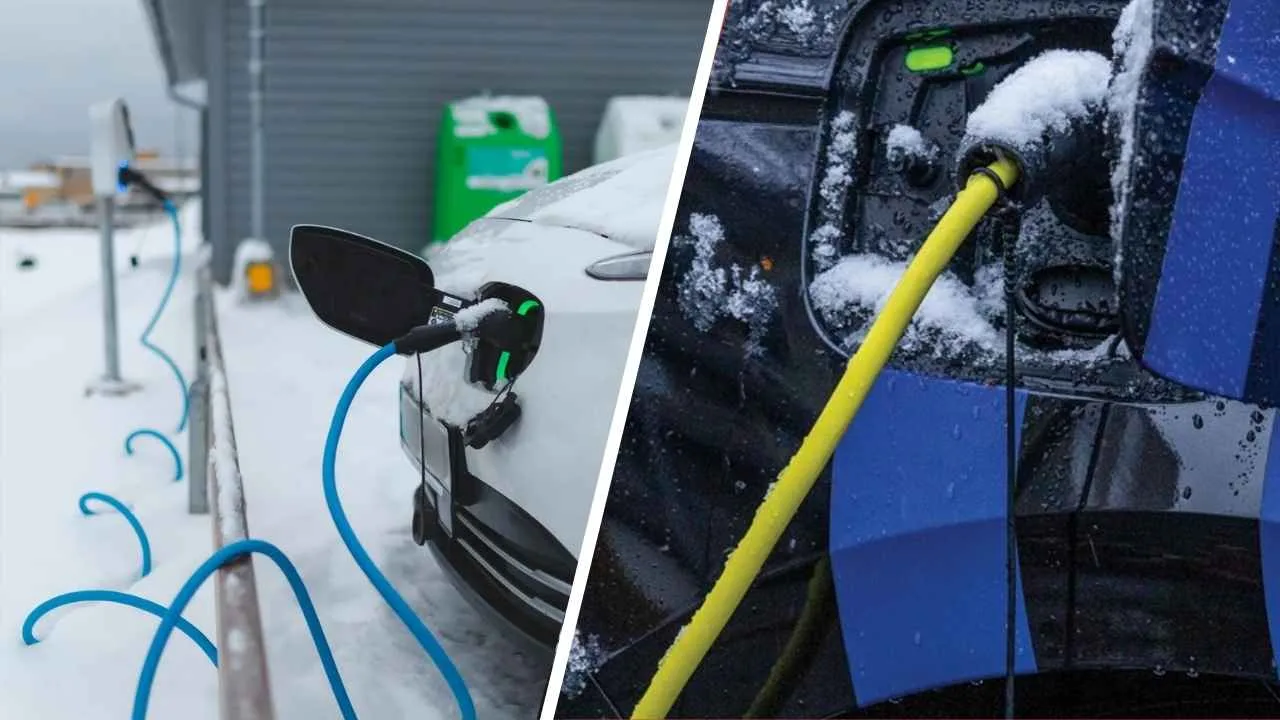
Electric vehicles are becoming increasingly popular across the United States and the United Kingdom thanks to their efficiency, lower emissions, and lower running costs. However, many drivers quickly notice a frustrating issue during the colder months: reduced driving range. If you’ve ever wondered Why Do Electric Cars Lose Range in Winter?, you’re not alone. Cold weather has a significant impact on electric vehicle performance, and understanding the reasons behind it can help drivers manage their expectations and improve efficiency.
In this guide, we will explain Why Do Electric Cars Lose Range in Winter?, explore the science behind battery behavior in cold temperatures, discuss the warning signs of reduced efficiency, and provide practical strategies to minimize range loss. Whether you’re an EV owner or considering buying one, understanding winter performance will help you get the most from your electric vehicle.
Understanding Electric Vehicle Range
Before exploring why range drops in winter, it’s important to understand what EV range actually means. The driving range of an electric car refers to how far the vehicle can travel on a single full battery charge. This range depends on several factors, including:
- Battery capacity
- Driving speed
- Terrain
- Driving style
- Weather conditions
- Use of heating or air conditioning
Cold temperatures introduce multiple challenges for EV batteries and vehicle systems, which explains why many drivers experience a noticeable drop in range during winter.
Why Do Electric Cars Lose Range in Winter?
The main reason electric vehicles lose range in cold weather is related to how lithium-ion batteries behave in low temperatures. However, several additional factors also contribute to the reduction in driving distance.
1. Reduced Battery Efficiency in Cold Temperatures
Electric vehicles rely on lithium-ion batteries, which are sensitive to temperature changes. When temperatures drop, the chemical reactions inside the battery slow down. As a result:
- The battery produces less power
- Energy is released more slowly
- Charging becomes less efficient
This reduced efficiency means the vehicle cannot use its stored energy as effectively, resulting in shorter driving range.
2. Increased Energy Use for Cabin Heating
Unlike traditional gasoline vehicles that use engine heat to warm the cabin, electric cars must generate heat using electricity from the battery. Heating systems can consume a significant amount of energy.
When the heater is running, the battery must power:
- Cabin heating
- Seat heaters
- Defrosters
- Window heaters
All of these systems draw electricity from the same battery used for driving, which reduces the available range.
3. Battery Heating Systems Use Power
Modern electric vehicles often include thermal management systems that warm the battery when temperatures are extremely low. These systems protect the battery from damage and maintain performance.
However, battery heating systems consume energy, which further reduces the available driving range.
4. Increased Air Density
Cold air is denser than warm air. This increased density creates greater aerodynamic drag when the vehicle moves.
The car must work harder to push through denser air, which means the motor consumes more energy.
5. Tire Pressure Drops in Cold Weather
Tire pressure naturally decreases when temperatures drop. Lower tire pressure increases rolling resistance, meaning the car requires more energy to move.
This added resistance contributes to reduced driving efficiency and shorter range.
6. Regenerative Braking Becomes Less Efficient
Regenerative braking helps recharge the battery while slowing the vehicle. However, in very cold temperatures, the battery cannot accept energy as efficiently.
This reduces the effectiveness of regenerative braking, meaning less energy is recovered during driving.
Signs Your Electric Car Is Losing Range in Winter
Winter-related range reduction usually appears gradually. Some common indicators include:
- Noticeable drop in estimated driving range
- Battery draining faster than usual
- More frequent charging sessions
- Slower charging times
- Reduced regenerative braking performance
These signs are generally normal during cold weather and do not necessarily indicate a problem with the vehicle.
How Much Range Can Electric Cars Lose in Winter?
Range loss varies depending on the vehicle model and weather conditions. On average, electric vehicles can lose between 10% and 40% of their range during very cold winter conditions.
Factors that influence the amount of range loss include:
- Outside temperature
- Driving distance
- Heating usage
- Vehicle battery size
- Driving habits
Short trips in cold weather often show the greatest efficiency loss because the battery and cabin require more energy to warm up.
Practical Tips to Reduce Winter Range Loss
While winter range loss cannot be completely avoided, there are several strategies that can significantly improve efficiency.
1. Precondition the Battery While Charging
Many electric vehicles allow drivers to preheat the cabin and battery while the vehicle is still plugged in. This uses electricity from the grid rather than the battery.
Benefits include:
- Warmer cabin before driving
- Battery operating at optimal temperature
- Less battery energy used during the trip
2. Use Seat Heaters Instead of Cabin Heat
Seat heaters consume far less electricity than full cabin heating systems. Using seat heaters can keep you comfortable while conserving battery power.
3. Keep the Battery Charged
Cold temperatures affect batteries more when they are nearly empty. Maintaining a charge level between 20% and 80% helps preserve performance.
4. Check Tire Pressure Regularly
Cold weather can reduce tire pressure quickly. Properly inflated tires reduce rolling resistance and improve efficiency.
5. Park in a Garage When Possible
Parking in a garage or sheltered area helps protect the vehicle from extreme cold temperatures, allowing the battery to maintain a more stable temperature.
6. Drive Smoothly
Aggressive acceleration drains battery power faster. Smooth acceleration and steady speeds improve winter driving efficiency.
Real-World Example of Winter Range Loss
Imagine an electric car rated for 300 miles of range in normal conditions. During winter, the driver may notice the estimated range dropping to around 200 to 230 miles depending on temperature and heating usage.
This does not mean the vehicle is malfunctioning. It simply reflects the extra energy required to manage cold conditions.
Common Mistakes EV Owners Make in Winter
Many new electric vehicle owners unintentionally reduce their range further by making simple mistakes.
- Skipping tire pressure checks
- Using maximum cabin heat constantly
- Driving aggressively
- Ignoring preconditioning features
- Letting the battery drop too low
Avoiding these mistakes can significantly improve winter efficiency.
Safety Tips for Driving Electric Cars in Winter
Winter driving presents unique safety challenges for all vehicles, including electric cars.
- Maintain proper tire pressure
- Use winter tires when necessary
- Plan charging stops for long trips
- Keep charging cables dry and protected
- Allow extra time for charging in cold weather
Preparing for winter driving helps ensure both safety and convenience.
Long-Term Maintenance Tips for EV Batteries
Taking care of your EV battery throughout the year helps maintain performance during winter.
- Avoid extreme temperatures when possible
- Keep the battery between 20% and 80% charge
- Use manufacturer-recommended charging practices
- Update vehicle software regularly
- Schedule routine maintenance checks
Proper battery care helps extend the lifespan of the battery pack and ensures consistent performance in all seasons.
Conclusion
Understanding Why Do Electric Cars Lose Range in Winter? helps drivers manage expectations and improve efficiency during cold weather. Reduced battery efficiency, increased heating demands, and environmental factors all contribute to the drop in range.
The good news is that with smart driving habits, proper vehicle preparation, and effective use of EV features, drivers can minimize winter range loss and continue enjoying the benefits of electric vehicles.
As EV technology continues to evolve, future batteries and thermal management systems will likely reduce the impact of cold weather even further.
Frequently Asked Questions
1. Why do electric cars lose range faster in winter?
Electric cars lose range faster in winter mainly because cold temperatures reduce battery efficiency and increase energy use for heating systems.
2. How much range do electric cars lose in cold weather?
Most electric vehicles lose between 10% and 40% of their driving range during very cold winter conditions.
3. Can cold weather permanently damage EV batteries?
Normal cold weather does not permanently damage EV batteries. Modern vehicles include thermal management systems to protect the battery.
4. Do electric cars charge slower in winter?
Yes, charging can take longer in cold temperatures because lithium-ion batteries accept energy more slowly when they are cold.
5. How can I improve electric car range in winter?
You can improve winter range by preconditioning the battery, reducing heater use, maintaining proper tire pressure, and driving smoothly.