Why Does My Car Shake at Idle? Causes, Fixes & Easy Solutions
Why Does My Car Shake at Idle? Causes, Fixes, and Expert Tips
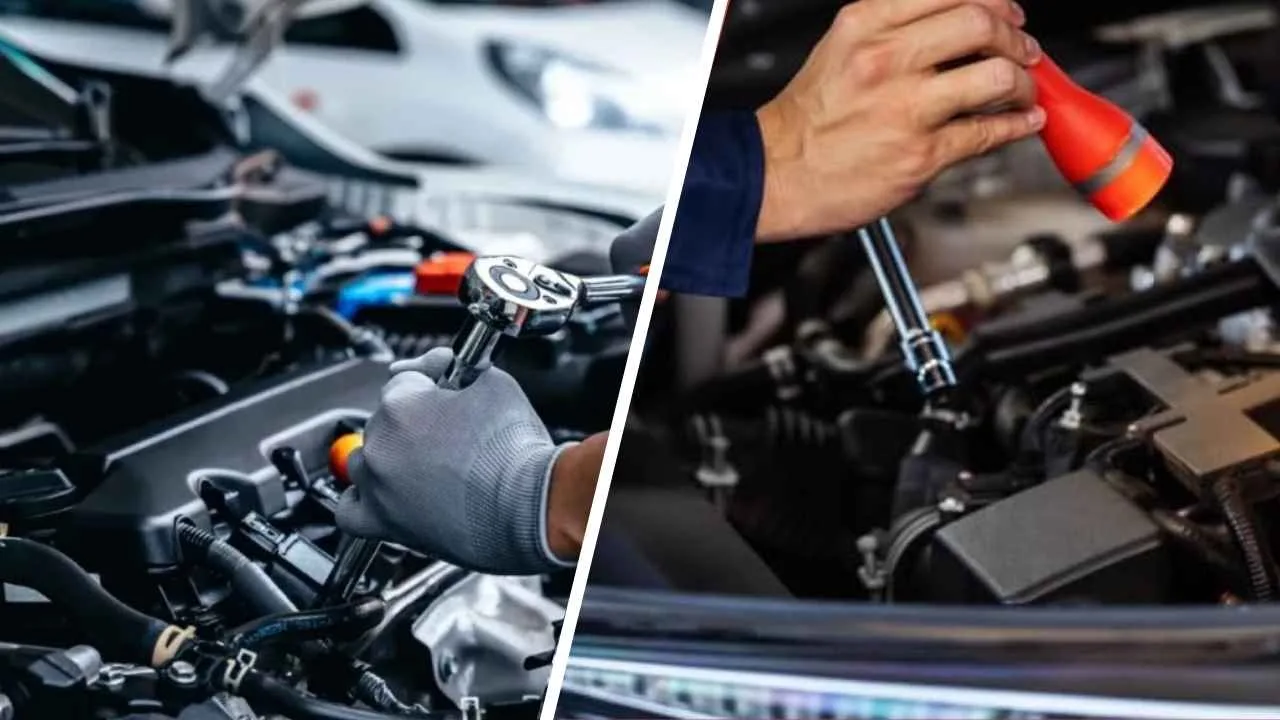
Why Does My Car Shake at Idle? If you’ve ever sat at a red light and felt your car vibrating or shaking more than usual, you’re not alone. This is a common issue faced by drivers across the USA and UK, and it often points to underlying mechanical or engine-related problems. While some causes are minor and easy to fix, others may require professional attention. Understanding why your car shakes at idle can help you prevent costly repairs and keep your vehicle running smoothly.
Understanding Why Your Car Shakes at Idle
When your car is idling, the engine is running at a low speed while the vehicle is stationary. Ideally, this process should feel smooth and steady. However, if something disrupts the engine’s balance or performance, vibrations can occur.
These vibrations may come from the engine itself, fuel system issues, worn components, or even external parts like mounts. The key is identifying the root cause early.
Common Causes of Car Shaking at Idle
1. Worn or Faulty Spark Plugs
Spark plugs ignite the air-fuel mixture inside the engine. If they are worn out or dirty, the engine may misfire, causing noticeable shaking.
2. Dirty or Clogged Fuel Injectors
Fuel injectors deliver fuel into the engine. If clogged, they disrupt the fuel flow, leading to uneven combustion.
3. Bad Engine Mounts
Engine mounts hold the engine in place and absorb vibrations. When they wear out, vibrations transfer directly to the car’s body.
4. Vacuum Leaks
Leaks in the vacuum system can cause an imbalance in the air-fuel mixture, leading to rough idling.
5. Faulty Idle Air Control Valve
This component regulates engine idle speed. If it malfunctions, your engine may idle too low or unevenly.
6. Dirty Throttle Body
A dirty throttle body can restrict airflow, affecting engine performance and causing shaking.
7. Engine Misfire
A misfire occurs when one or more cylinders fail to ignite properly, leading to vibrations.
8. Transmission Issues
In automatic cars, transmission problems can also cause shaking when the car is in gear but stationary.
Symptoms That Accompany Car Shaking at Idle
If your car shakes at idle, you may also notice:
- Rough or uneven engine sound
- Check engine light turning on
- Reduced fuel efficiency
- Difficulty accelerating
- Strong vibrations felt in the steering wheel or seats
These symptoms help narrow down the possible causes.
Step-by-Step Solutions to Fix Car Shaking at Idle
1. Replace Spark Plugs
Old spark plugs are one of the easiest fixes.
- Check your vehicle manual for replacement intervals
- Use high-quality plugs for better performance
2. Clean Fuel Injectors
Fuel system cleaners can help remove deposits.
- Use injector cleaner additives
- Consider professional cleaning if needed
3. Inspect Engine Mounts
Look for visible wear or damage.
- Replace worn mounts immediately
- This significantly reduces vibrations
4. Fix Vacuum Leaks
Check hoses and connections for leaks.
- Replace cracked or damaged hoses
- Ensure tight connections
5. Clean the Throttle Body
Removing carbon buildup improves airflow.
- Use throttle body cleaner
- Follow manufacturer instructions
6. Check Idle Air Control Valve
If faulty, it may need cleaning or replacement.
7. Scan for Error Codes
Use an OBD scanner to detect hidden issues.
8. Seek Professional Help
If the problem persists, consult a certified mechanic.
Real-World Examples and Practical Tips
Many drivers experience car shaking at idle after neglecting routine maintenance. For example:
- A driver ignored worn spark plugs and later faced engine misfires
- Another noticed shaking due to a loose vacuum hose—fixed in minutes
- A dirty throttle body caused rough idling until cleaned
Simple checks can often solve the issue before it becomes serious.
Common Mistakes to Avoid
- Ignoring early warning signs
- Delaying maintenance
- Using low-quality fuel
- Attempting complex repairs without proper knowledge
- Overlooking engine mount condition
Avoiding these mistakes can save time and money.
Safety Tips and Important Warnings
- Do not ignore persistent shaking—it may worsen
- Avoid driving long distances with engine issues
- Turn off the engine if vibrations become severe
- Always follow safety procedures when inspecting your car
Safety should always come first when dealing with vehicle problems.
Prevention and Long-Term Maintenance
Regular Engine Maintenance
- Replace spark plugs on schedule
- Keep fuel injectors clean
Use Quality Fuel
- Prevents buildup in the engine
Routine Inspections
- Check hoses, mounts, and valves regularly
Keep Components Clean
- Clean throttle body periodically
Preventative care ensures smoother performance and longer engine life.
Conclusion
Why Does My Car Shake at Idle? The answer often lies in small but important components like spark plugs, fuel injectors, or engine mounts. While the issue can feel alarming, many causes are easy to diagnose and fix.
The key is early detection and regular maintenance. By staying proactive, you can avoid major repairs and enjoy a smooth, vibration-free driving experience.
Frequently Asked Questions
1. Is it normal for a car to shake slightly at idle?
Minor vibrations can be normal, but noticeable shaking usually indicates an issue that needs attention.
2. Can bad spark plugs cause shaking at idle?
Yes, worn or faulty spark plugs can lead to engine misfires and cause shaking.
3. How much does it cost to fix car shaking at idle?
Costs vary depending on the cause. Simple fixes like spark plug replacement are inexpensive, while major repairs cost more.
4. Can I drive my car if it shakes at idle?
You can drive short distances, but it’s best to fix the issue quickly to avoid further damage.
5. What is the most common cause of rough idling?
The most common causes include dirty spark plugs, clogged fuel injectors, and vacuum leaks.