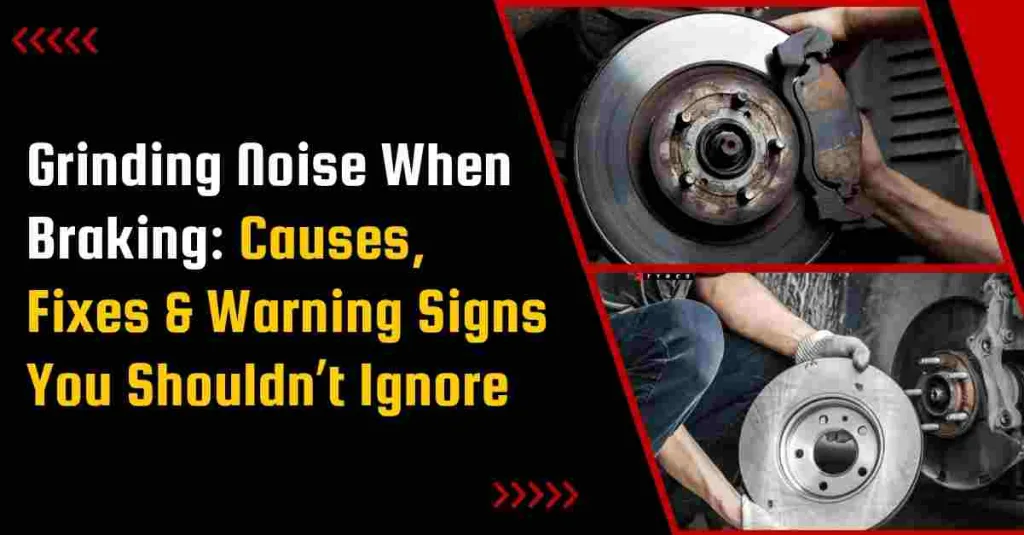
Grinding Noise When Braking: Causes, Fixes & Warning Signs You Shouldn’t Ignore
Grinding Noise When Braking: Causes, Fixes, and What It Means for Your Car
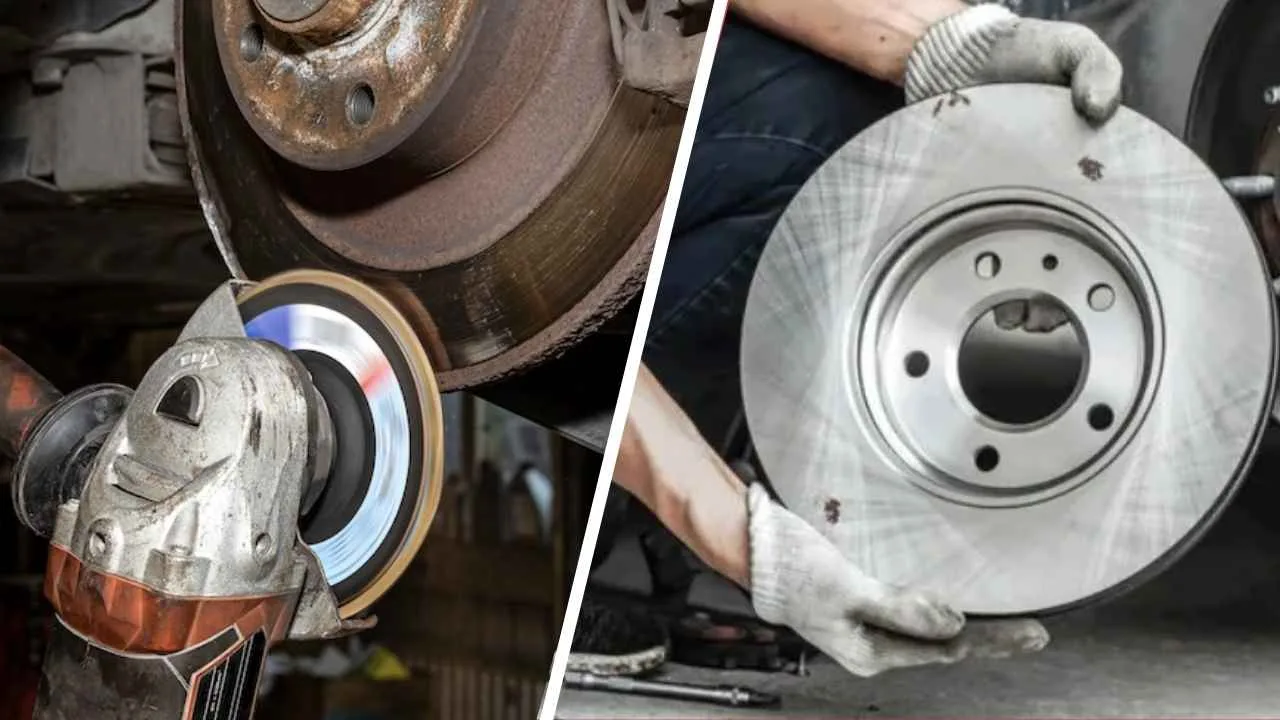
Grinding Noise When Braking is one of the most alarming sounds any driver can experience. If you hear a harsh, metal-on-metal noise when you press the brake pedal, it’s a clear sign that something is wrong with your braking system. Ignoring it can lead to serious damage, expensive repairs, and even dangerous driving conditions. The good news? Most causes are easy to diagnose and fix—if you act quickly.
In this guide, we’ll explain what causes grinding noises when braking, how to identify the problem, and the best ways to fix it before it gets worse.
What Does Grinding Noise When Braking Mean?
Your car’s braking system is designed to operate smoothly and quietly. When you press the brake pedal, brake pads press against the rotors to slow down the vehicle. If you hear grinding, it usually means the brake pads are worn out or there’s metal-to-metal contact.
This sound is not just annoying—it’s a warning that your braking system may be compromised.
Common Causes of Grinding Noise When Braking
1. Worn-Out Brake Pads
Brake pads wear down over time. Once the friction material is gone, the metal backing plate comes into contact with the rotor, causing a grinding sound.
2. Debris Stuck in the Brakes
Small stones or dirt can get trapped between the brake pad and rotor, creating a grinding noise.
3. Damaged or Warped Brake Rotors
Rotors can become uneven or damaged due to heat and wear, leading to unusual noises when braking.
4. Low-Quality Brake Pads
Cheap or poor-quality brake pads can wear out quickly and produce noise.
5. Lack of Lubrication
Brake components require proper lubrication. Without it, parts may rub together and create grinding sounds.
6. Faulty Calipers
Brake calipers apply pressure to the pads. If they malfunction, they can cause uneven wear and noise.
Symptoms That Accompany Grinding Noise When Braking
If your car is making grinding noises, you may also notice:
- Reduced braking performance
- Vibrations in the brake pedal
- Longer stopping distances
- Brake warning light on dashboard
- Visible damage to brake components
These symptoms indicate that your braking system needs immediate attention.
Step-by-Step Solutions to Fix Grinding Noise When Braking
1. Inspect Brake Pads
Check the thickness of your brake pads.
- If they are worn down, replace them immediately
- Always replace pads in pairs (front or rear)
2. Check Brake Rotors
Inspect the rotor surface for damage.
- Resurface or replace if warped or worn
3. Remove Debris
If debris is causing the noise:
- Clean the brake components carefully
4. Lubricate Brake Components
Apply proper brake lubricant to moving parts.
5. Inspect Calipers
Ensure calipers are functioning correctly.
- Replace faulty calipers if needed
6. Use High-Quality Parts
Invest in reliable brake pads and components for long-term performance.
7. Seek Professional Help
If unsure, visit a certified mechanic for a full brake inspection.
Real-World Examples and Practical Tips
Many drivers ignore grinding noises until it’s too late. For example:
- A driver delayed replacing worn brake pads and ended up damaging the rotors
- Another found a small stone lodged in the brake system causing noise
- Using low-quality brake pads led to faster wear and repeated issues
Acting early can prevent costly repairs.
Common Mistakes to Avoid
- Ignoring grinding noises
- Delaying brake pad replacement
- Using cheap or low-quality parts
- Skipping regular brake inspections
- Attempting repairs without proper knowledge
Avoiding these mistakes helps maintain safety and performance.
Safety Tips and Important Warnings
- Do not drive if braking performance is reduced
- Address grinding noises immediately
- Always use certified technicians for brake repairs
- Regularly check your braking system
Your brakes are one of the most important safety components of your car.
Prevention and Long-Term Maintenance
Regular Brake Inspections
- Check brake pads and rotors periodically
Replace Brake Pads on Time
- Follow manufacturer recommendations
Use Quality Components
- Invest in durable brake parts
Drive Smoothly
- Avoid aggressive braking habits
Proper maintenance ensures safe and quiet braking.
Conclusion
Grinding Noise When Braking is not something you should ever ignore. It’s a clear warning that your braking system needs attention. Whether it’s worn brake pads, damaged rotors, or debris, identifying the cause early can save you money and prevent dangerous situations.
Stay proactive, perform regular maintenance, and address issues immediately to keep your car safe on the road.
Frequently Asked Questions
1. Is it safe to drive with grinding brakes?
No, driving with grinding brakes is dangerous and can lead to brake failure.
2. What causes grinding noise when braking at low speed?
Common causes include worn brake pads or debris stuck in the braking system.
3. How much does it cost to fix grinding brakes?
Costs vary depending on the issue, but replacing brake pads is usually affordable compared to rotor damage.
4. Can new brakes make grinding noise?
New brakes may make slight noise during break-in, but grinding usually indicates a problem.
5. How do I prevent grinding noise when braking?
Regular maintenance, timely brake pad replacement, and using quality parts can prevent grinding noises.