Why Is My Car Using Too Much Fuel? Causes, Fixes & Easy Ways to Save Gas
Why Is My Car Using Too Much Fuel? Causes, Fixes, and Smart Ways to Save Gas
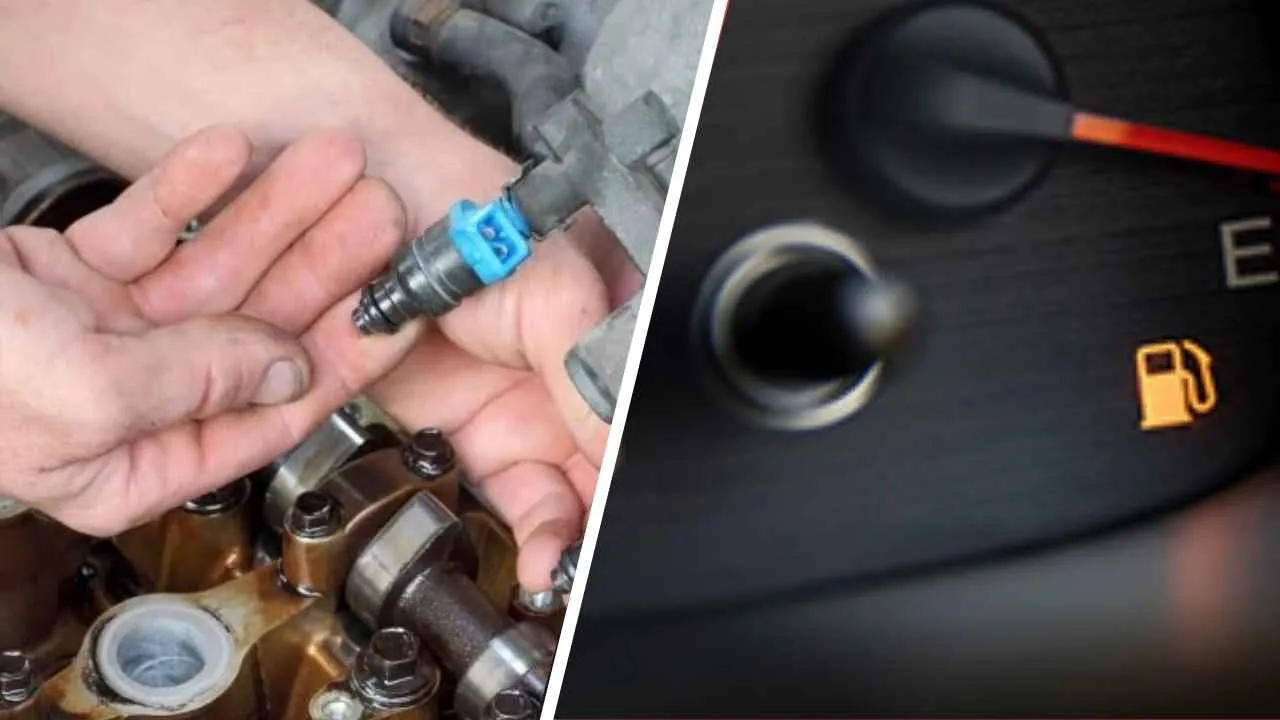
Why Is My Car Using Too Much Fuel? If you’ve noticed your fuel tank emptying faster than usual, you’re not alone. Many drivers across the USA and UK experience sudden drops in fuel efficiency, often without realizing the underlying cause. Increased fuel consumption can be frustrating and expensive, but the good news is that most issues can be identified and fixed with the right approach.
In this guide, we’ll break down the real reasons behind poor fuel economy, the warning signs to watch for, and practical steps you can take to improve your car’s efficiency.
Understanding Why Your Car Is Using Too Much Fuel
Every car is designed to operate at an optimal fuel efficiency level. When something goes wrong—whether it’s mechanical, electrical, or related to driving habits—your engine starts burning more fuel than necessary.
This can happen gradually over time or suddenly due to a specific issue. Understanding how fuel efficiency works is the first step in fixing the problem.
Common Causes of High Fuel Consumption
1. Dirty or Faulty Oxygen Sensor
The oxygen sensor monitors the air-fuel mixture in your engine. If it fails, your car may burn more fuel than needed.
2. Worn Spark Plugs
Old or damaged spark plugs can cause incomplete combustion, leading to wasted fuel.
3. Clogged Air Filter
A dirty air filter restricts airflow, forcing the engine to work harder and consume more fuel.
4. Low Tire Pressure
Underinflated tires increase rolling resistance, making your engine burn more fuel.
5. Faulty Fuel Injectors
Leaking or clogged injectors can disrupt fuel delivery and reduce efficiency.
6. Driving Habits
Aggressive driving, rapid acceleration, and frequent braking can significantly increase fuel usage.
7. Engine Problems
Issues like misfires, worn components, or poor compression can reduce fuel efficiency.
8. Carrying Excess Weight
Extra weight in your vehicle forces the engine to use more fuel.
Signs Your Car Is Using Too Much Fuel
If your car is consuming more fuel than usual, you may notice:
- Frequent visits to the gas station
- Reduced miles per gallon (MPG)
- Strong fuel smell
- Black smoke from the exhaust
- Sluggish engine performance
These signs often indicate that something isn’t working efficiently.
Step-by-Step Solutions to Improve Fuel Efficiency
1. Replace Air Filter
A clean air filter improves airflow and combustion.
- Check every 12,000–15,000 miles
- Replace if dirty
2. Maintain Proper Tire Pressure
Keeping tires properly inflated reduces resistance.
- Check pressure monthly
- Follow manufacturer recommendations
3. Change Spark Plugs
Fresh spark plugs ensure efficient combustion.
4. Use Quality Fuel
Low-quality fuel can reduce engine efficiency.
5. Clean Fuel Injectors
Use fuel additives or professional cleaning services.
6. Fix Oxygen Sensor Issues
Replacing a faulty sensor can significantly improve fuel economy.
7. Drive Smoothly
Avoid sudden acceleration and braking.
8. Reduce Vehicle Weight
Remove unnecessary items from your car.
Real-World Examples and Practical Tips
Many drivers see immediate improvements after simple fixes:
- Replacing a clogged air filter improved MPG by up to 10%
- Fixing tire pressure saved fuel on long highway trips
- Switching to smoother driving reduced fuel costs significantly
Small changes can make a big difference over time.
Common Mistakes to Avoid
- Ignoring regular maintenance
- Using cheap or low-quality fuel
- Overloading the vehicle
- Driving aggressively
- Ignoring warning lights
Avoiding these mistakes helps maintain fuel efficiency.
Safety Tips and Important Warnings
- Do not ignore fuel smells—they may indicate leaks
- Check for engine warning lights regularly
- Avoid driving with engine misfires
- Fix issues promptly to prevent damage
Fuel-related problems can affect both safety and performance.
Prevention and Long-Term Maintenance
Regular Servicing
- Follow your car’s maintenance schedule
Monitor Fuel Efficiency
- Track MPG regularly
Keep Engine Components Clean
- Clean injectors and throttle body periodically
Adopt Efficient Driving Habits
- Drive at steady speeds
- Avoid unnecessary idling
Consistent maintenance ensures long-term fuel savings.
Conclusion
Why Is My Car Using Too Much Fuel? The answer often lies in a combination of mechanical issues and driving habits. From dirty air filters to aggressive driving, even small factors can have a big impact on fuel consumption.
The key is to stay proactive. Regular maintenance, smart driving, and quick fixes can restore your car’s efficiency and save you money in the long run.
Frequently Asked Questions
1. What causes sudden increase in fuel consumption?
Common causes include faulty sensors, dirty air filters, low tire pressure, and engine issues.
2. Can bad spark plugs increase fuel usage?
Yes, worn spark plugs can cause incomplete combustion, leading to higher fuel consumption.
3. Does tire pressure affect fuel economy?
Yes, underinflated tires increase resistance and reduce fuel efficiency.
4. Is it normal for fuel efficiency to drop over time?
Yes, but regular maintenance can minimize the impact.
5. How can I improve my car’s fuel efficiency quickly?
Check tire pressure, replace air filters, drive smoothly, and fix any engine issues.