

Hybrid Car Battery Problems Explained: 7 Warning Signs Every Driver Should Know
Hybrid Car Battery Problems Explained: Causes, Warning Signs, Fixes, and Prevention
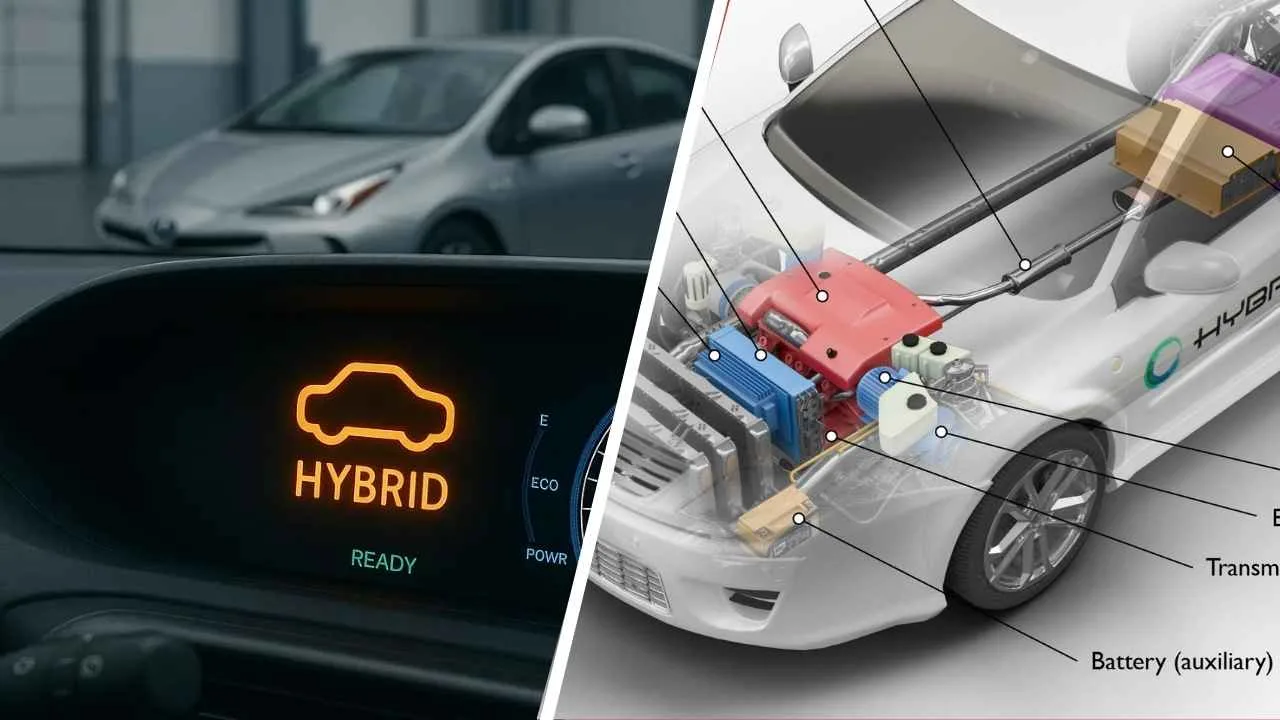
Introduction
Hybrid vehicles have become increasingly popular in the United States and the United Kingdom because they offer better fuel efficiency and lower emissions compared to traditional gasoline cars. However, like any advanced automotive technology, hybrids come with their own unique maintenance challenges. One of the most common concerns drivers have is understanding Hybrid Car Battery Problems Explained and what they mean for the performance and reliability of their vehicle.
The hybrid battery is the heart of a hybrid car’s electrical system. It works alongside the gasoline engine to power the vehicle, improve fuel economy, and reduce environmental impact. When the battery starts to experience issues, drivers may notice reduced efficiency, warning lights, or unusual performance changes.
This guide will walk you through Hybrid Car Battery Problems Explained in simple terms. You’ll learn how hybrid batteries work, the most common causes of problems, the warning signs to watch for, and the best ways to fix or prevent battery issues.
How Hybrid Car Batteries Work
To fully understand hybrid car battery problems, it helps to know how these batteries function within the vehicle.
Unlike traditional car batteries that only start the engine, hybrid batteries power electric motors that assist or sometimes completely replace the gasoline engine. Most hybrid vehicles use either:
- Nickel-metal hydride (NiMH) batteries
- Lithium-ion batteries
These batteries store electrical energy and release it to help the engine during acceleration or low-speed driving. When the car slows down or brakes, regenerative braking captures energy and sends it back to the battery for storage.
This constant charging and discharging cycle is efficient but also places stress on the battery over time.
Common Hybrid Car Battery Problems Explained
1. Battery Degradation Over Time
One of the most common hybrid car battery problems is natural degradation. Just like smartphone or laptop batteries, hybrid batteries slowly lose capacity as they age.
Most hybrid batteries last between:
- 8 to 15 years
- 100,000 to 200,000 miles
Over time, the battery may hold less charge, which reduces fuel efficiency and electric driving performance.
2. Overheating Issues
Hybrid batteries generate heat during operation. If the cooling system fails or becomes clogged with dust or debris, the battery may overheat.
Overheating can cause:
- Reduced battery lifespan
- Lower performance
- System shutdown to prevent damage
3. Weak or Failing Battery Cells
Hybrid batteries consist of multiple individual cells. If one or more cells fail, the entire battery pack may become unbalanced.
This imbalance can lead to:
- Erratic battery charge levels
- Reduced vehicle power
- Dashboard warning lights
4. Charging System Problems
Hybrid vehicles rely on sophisticated charging systems that include regenerative braking and electronic control units. If these components malfunction, the battery may not charge properly.
Possible causes include:
- Faulty sensors
- Damaged wiring
- Control module issues
5. Extreme Weather Conditions
Temperature extremes can affect battery performance. Very hot climates can accelerate battery wear, while extremely cold temperatures may temporarily reduce battery efficiency.
Warning Signs of Hybrid Battery Problems
Recognizing early warning signs can help drivers avoid expensive repairs. Some of the most common symptoms include:
- Decreased fuel economy
- Battery warning light on the dashboard
- Engine running more often than usual
- Reduced acceleration power
- Unusual cooling fan noise
- Battery charge fluctuating rapidly
If you notice these symptoms, it’s best to have your vehicle inspected by a qualified technician.
Step-by-Step Solutions for Hybrid Battery Issues
1. Run a Diagnostic Scan
The first step is connecting the vehicle to a diagnostic scanner. Hybrid systems store error codes that help identify battery-related issues.
2. Check Battery Cooling System
Inspect the battery cooling fan and air intake vents for dust or blockages. Cleaning these components can sometimes restore proper cooling.
3. Rebalance the Battery Pack
Specialized equipment can rebalance hybrid battery cells to improve performance and extend battery life.
4. Replace Faulty Battery Modules
Instead of replacing the entire battery pack, mechanics may replace only the damaged modules.
5. Full Battery Replacement
In severe cases, replacing the hybrid battery may be necessary. Fortunately, many manufacturers offer long warranties for hybrid batteries.
Real-World Example
Imagine a hybrid driver in California who notices their fuel economy dropping significantly. The car’s dashboard displays a hybrid system warning light.
After diagnostic testing, a mechanic discovers that several battery cells have degraded. Instead of replacing the entire battery pack, the technician replaces the faulty modules, restoring the vehicle’s performance and saving the driver thousands of dollars.
Common Mistakes Drivers Make
Many hybrid car owners unknowingly shorten their battery lifespan by making avoidable mistakes.
- Ignoring warning lights
- Blocking battery cooling vents
- Delaying routine maintenance
- Driving with a failing battery system
- Using unqualified repair technicians
Addressing problems early can significantly reduce repair costs.
Safety Tips and Important Warnings
Hybrid battery systems operate at very high voltages, which can be dangerous if handled incorrectly.
Important safety tips include:
- Never attempt DIY repairs on hybrid batteries
- Always use certified hybrid technicians
- Follow manufacturer maintenance schedules
- Pay attention to warning lights immediately
Proper handling ensures both driver safety and vehicle reliability.
Prevention and Long-Term Maintenance
While hybrid battery problems can occur, proper care can significantly extend battery lifespan.
Maintenance Tips
- Keep battery cooling vents clean
- Drive the car regularly to maintain battery charge
- Avoid extreme heat exposure when possible
- Perform regular vehicle inspections
- Update vehicle software when recommended
Many hybrid batteries last well over a decade when properly maintained.
Conclusion
Understanding Hybrid Car Battery Problems Explained helps drivers make informed decisions about maintaining their vehicles. Hybrid batteries are durable and designed to last many years, but like all components, they eventually wear out.
By recognizing early warning signs, performing regular maintenance, and addressing issues promptly, drivers can extend battery life and avoid costly repairs. Hybrid technology continues to evolve, making these vehicles more reliable and efficient with each generation.
For most hybrid owners, proper care and awareness are the keys to enjoying years of smooth, efficient driving.
Frequently Asked Questions
1. How long does a hybrid car battery last?
Most hybrid car batteries last between 8 and 15 years or around 100,000 to 200,000 miles depending on driving habits and climate conditions.
2. What happens when a hybrid battery fails?
When a hybrid battery fails, the vehicle may experience reduced performance, warning lights, poor fuel efficiency, and limited electric driving capability.
3. Is replacing a hybrid battery expensive?
Hybrid battery replacement can cost several thousand dollars, but many manufacturers offer warranties that cover the battery for extended periods.
4. Can hybrid batteries be repaired instead of replaced?
In some cases, mechanics can replace individual battery modules or rebalance the battery pack instead of replacing the entire unit.
5. How can I extend the life of my hybrid battery?
Maintaining proper cooling, driving the vehicle regularly, avoiding extreme temperatures, and following manufacturer service schedules can help extend hybrid battery life.


