Wheel Alignment in the US: Cost, Signs, Benefits, and When You Need It
Wheel Alignment in the US: Cost, Signs, Benefits, and Complete Guide for Drivers
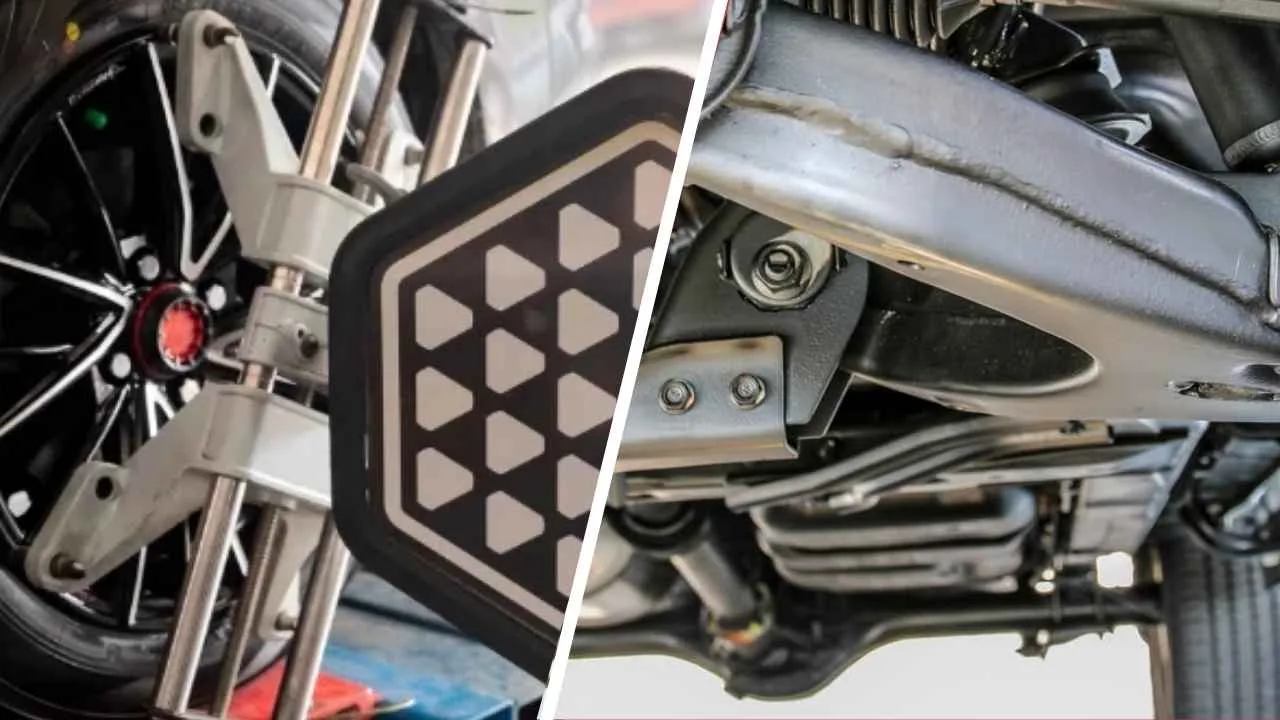
Wheel alignment in the US is one of the most important yet often overlooked vehicle maintenance services. Many drivers only think about it after their car starts pulling to one side or their tires wear out unevenly. Proper wheel alignment keeps your vehicle stable, improves fuel efficiency, and helps your tires last longer.
Across the United States, wheel alignment services are performed millions of times each year. Whether you drive a compact car, SUV, or pickup truck, correct alignment ensures your wheels point in the proper direction and work together with the suspension system.
This guide explains everything you need to know about wheel alignment in the US, including how it works, common causes of misalignment, warning signs, costs, and how to keep your vehicle driving straight and safely.
What Is Wheel Alignment?
Wheel alignment refers to adjusting the angles of a vehicle’s wheels so they meet manufacturer specifications. The purpose is to ensure the tires make proper contact with the road and the vehicle drives straight.
Many people assume alignment means adjusting the tires, but it actually involves the vehicle’s suspension system — the components that connect the car to the wheels.
A professional mechanic uses specialized equipment to measure and adjust three main alignment angles.
Camber
Camber is the inward or outward tilt of the tire when viewed from the front of the vehicle. If the tire tilts too much inward or outward, it can cause uneven tire wear.
Caster
Caster refers to the angle of the steering axis when viewed from the side of the vehicle. It affects steering stability and cornering.
Toe
Toe describes whether the tires point inward or outward when viewed from above. Even small toe misalignment can cause rapid tire wear.
Why Wheel Alignment in the US Is Important
Driving with poor alignment affects more than just comfort. It can damage your vehicle over time and increase operating costs.
- Improves vehicle stability
- Extends tire life
- Enhances fuel efficiency
- Improves steering control
- Reduces suspension wear
With long highway drives being common in the United States and the UK, proper alignment becomes even more critical.
Common Causes of Wheel Misalignment
Wheel alignment problems rarely happen randomly. They are usually caused by everyday driving conditions.
Potholes
Hitting potholes at speed is one of the biggest causes of alignment issues. Roads in many areas experience seasonal damage, which can affect suspension components.
Curbs
Parking too aggressively or hitting curbs can knock wheels out of alignment.
Worn Suspension Parts
Ball joints, bushings, and tie rods wear over time. When they loosen, alignment angles change.
Accidents
Even a small collision can shift suspension geometry.
Lifting or Lowering the Vehicle
Suspension modifications often require alignment adjustments.
Signs Your Car Needs Wheel Alignment
Many drivers ignore early warning signs. Catching them early can save money and prevent tire damage.
- Vehicle pulling to one side
- Uneven tire wear
- Steering wheel off-center
- Loose or unstable steering
- Vibration while driving
- Squealing tires
If you notice any of these symptoms, a wheel alignment inspection is recommended.
Average Wheel Alignment Cost in the US
The price of wheel alignment in the US varies depending on the vehicle type and service provider.
- Two-wheel alignment: $50 – $100
- Four-wheel alignment: $100 – $200
- Luxury or performance vehicles: $150 – $300
Many service centers also offer lifetime alignment packages that can save money if you plan to keep your vehicle for several years.
Step-by-Step Wheel Alignment Process
Modern alignment services use computer-controlled equipment for accuracy.
1. Vehicle Inspection
The mechanic checks suspension components, tire condition, and steering parts.
2. Mounting Alignment Sensors
Sensors are attached to each wheel to measure angles precisely.
3. Computer Measurement
The alignment machine compares current wheel angles with factory specifications.
4. Adjustments
The technician adjusts camber, caster, and toe using specialized tools.
5. Final Testing
After adjustments, the system confirms the wheels are correctly aligned.
Real-World Example
A driver in California noticed their car pulling slightly to the right on the highway. At first it seemed minor, but after a few months their front tires wore unevenly and needed replacement.
A $120 wheel alignment could have prevented replacing two tires costing more than $500.
This is a common situation many drivers face.
Common Wheel Alignment Mistakes
- Ignoring small steering problems
- Skipping alignment after hitting potholes
- Replacing tires without checking alignment
- Waiting too long between inspections
- Using shops without proper equipment
These mistakes often lead to unnecessary expenses.
Safety Risks of Driving With Poor Alignment
Wheel alignment issues can affect vehicle control and braking performance.
- Reduced steering stability
- Longer stopping distances
- Unexpected vehicle drift
- Increased tire blowout risk
At highway speeds, these risks become much more dangerous.
How Often Should You Get Wheel Alignment in the US?
Most mechanics recommend alignment checks every 6,000 to 10,000 miles or at least once a year.
It is also recommended when:
- Installing new tires
- After suspension repairs
- After hitting a major pothole
- Following an accident
Tips to Maintain Proper Wheel Alignment
- Avoid potholes when possible
- Slow down on rough roads
- Check tire pressure regularly
- Inspect suspension components
- Rotate tires on schedule
These simple habits can extend the life of your tires and suspension.
Conclusion
Understanding wheel alignment in the US helps drivers maintain vehicle safety, performance, and efficiency. Misaligned wheels can cause tire damage, poor handling, and higher fuel consumption.
Fortunately, alignment services are affordable and widely available. Scheduling regular checks and responding to early warning signs can prevent costly repairs and keep your vehicle driving straight and smoothly.
If your car pulls to one side or your tires wear unevenly, it may be time for a professional alignment inspection.
Frequently Asked Questions
1. How much does wheel alignment cost in the US?
Wheel alignment typically costs between $50 and $200 depending on the vehicle and service type.
2. How long does a wheel alignment take?
Most alignment services take about 30 minutes to one hour.
3. Can bad alignment ruin tires?
Yes. Misalignment can cause uneven and rapid tire wear.
4. Do new tires require wheel alignment?
It is highly recommended because misalignment can quickly damage new tires.
5. What happens if I ignore wheel alignment problems?
You may experience unsafe handling, faster tire wear, and higher fuel consumption.