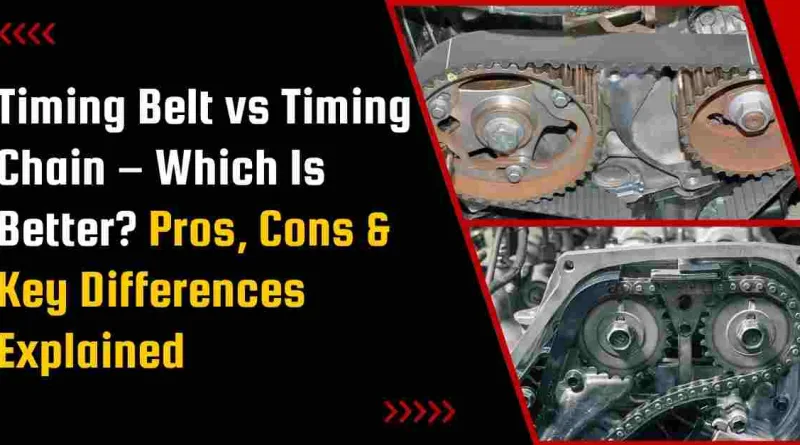
Timing Belt vs Timing Chain – Which Is Better? Pros, Cons & Key Differences Explained
Timing Belt vs Timing Chain – Which Is Better? Complete Guide for Car Owners
Timing Belt vs Timing Chain – Which Is Better? This is one of the most common questions car owners ask when trying to understand engine maintenance and long-term reliability. Both components play a critical role in your engine’s performance, but they differ in durability, cost, maintenance, and overall lifespan. Choosing between a timing belt and a timing chain—or understanding what your car uses—can save you from expensive repairs and unexpected breakdowns.
In this complete guide, we’ll break down the differences, advantages, disadvantages, and best practices to help you decide which option is better for your needs.
What Is a Timing Belt and a Timing Chain?
Both the timing belt and timing chain serve the same purpose: they synchronize the rotation of the crankshaft and camshaft. This ensures that the engine’s valves open and close at the correct time during combustion.
Timing Belt
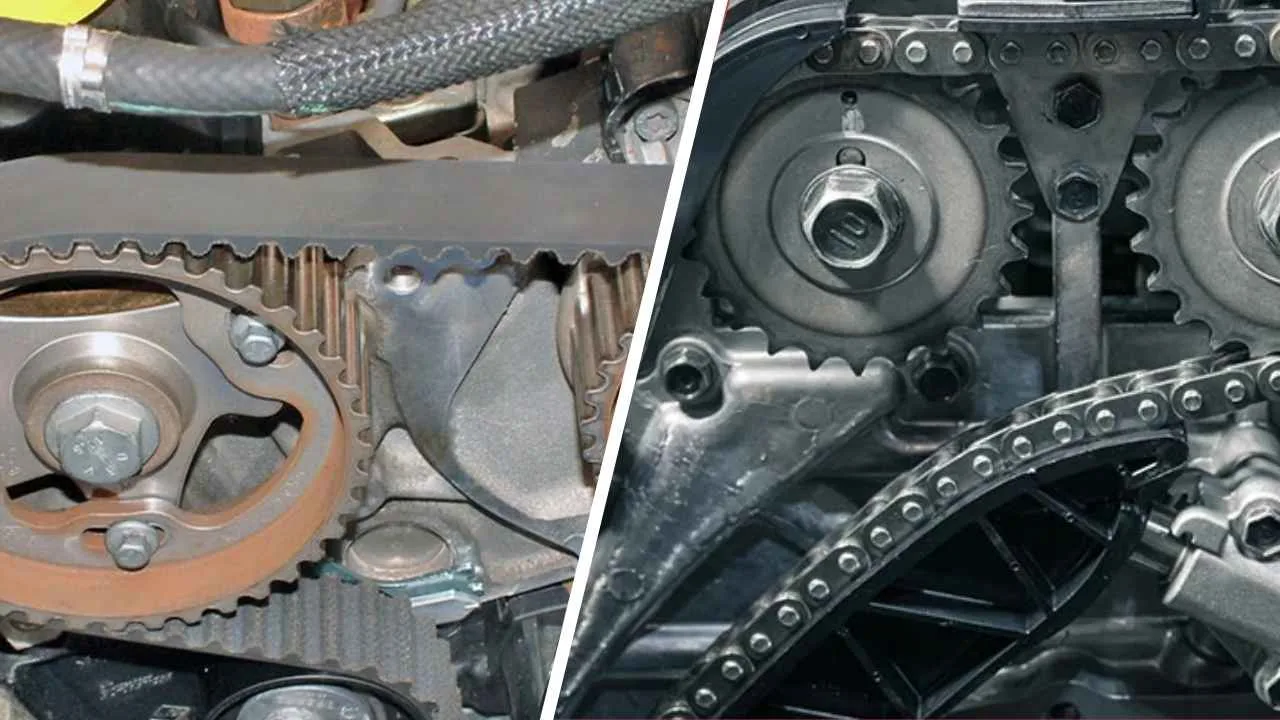
A timing belt is made of reinforced rubber with teeth that grip the gears. It operates quietly and is commonly used in many modern vehicles.
Timing Chain
A timing chain is made of metal, similar to a bicycle chain. It is stronger and designed to last longer than a timing belt.
Timing Belt vs Timing Chain – Key Differences
- Material: Belt is rubber; chain is metal
- Lifespan: Belt typically lasts 60,000–100,000 miles; chain can last the life of the engine
- Noise: Belt is quieter; chain is slightly noisier
- Maintenance: Belt requires regular replacement; chain usually does not
- Cost: Belt replacement is cheaper but frequent; chain repairs are expensive but rare
Advantages of Timing Belt
- Quieter operation
- Lower initial cost
- Lightweight design
- Smoother engine performance
Disadvantages of Timing Belt
- Requires regular replacement
- Can break suddenly if neglected
- Shorter lifespan compared to chains
Advantages of Timing Chain
- Long-lasting and durable
- Usually lasts the life of the engine
- Less frequent maintenance
Disadvantages of Timing Chain
- More expensive to repair or replace
- Noisier operation
- Heavier than timing belts
Common Problems and Symptoms
Timing Belt Issues
- Ticking noise from engine
- Engine misfires
- Difficulty starting
- Visible wear or cracks
Timing Chain Issues
- Rattling noise from engine
- Check engine light
- Poor engine performance
- Metal shavings in oil
Recognizing these signs early can prevent serious engine damage.
What Happens If They Fail?
Both timing belts and chains are critical components. If they fail, the engine’s internal parts can collide, causing severe damage.
- Valve damage
- Piston damage
- Complete engine failure
This is why timely maintenance is essential.
Step-by-Step Maintenance Tips
For Timing Belts
- Replace every 60,000–100,000 miles
- Inspect for cracks and wear
- Follow manufacturer guidelines
For Timing Chains
- Check engine oil regularly
- Use high-quality oil
- Listen for unusual noises
Real-World Examples and Practical Tips
Many drivers underestimate the importance of timing components:
- A driver ignored timing belt replacement and faced complete engine failure
- Another maintained proper oil levels and extended timing chain life beyond 200,000 miles
- Regular inspections helped detect early wear and avoid costly repairs
Simple maintenance habits can make a huge difference.
Common Mistakes to Avoid
- Ignoring replacement schedules
- Using low-quality engine oil
- Delaying repairs after warning signs
- Assuming timing chains never fail
Avoiding these mistakes can save thousands in repair costs.
Safety Tips and Important Warnings
- Never ignore unusual engine noises
- Follow maintenance schedules strictly
- Do not attempt complex repairs without expertise
- Always use certified technicians for major work
Your engine’s safety depends on these critical components.
Prevention and Long-Term Maintenance
Regular Oil Changes
- Essential for timing chain longevity
Scheduled Inspections
- Check timing components during servicing
Use Quality Parts
- Invest in reliable components
Follow Manufacturer Guidelines
- Always stick to recommended intervals
Preventative care ensures long-term engine health.
Conclusion
Timing Belt vs Timing Chain – Which Is Better? The answer depends on your priorities. If you prefer quieter operation and lower upfront costs, a timing belt may suit you. However, if you value durability and long-term reliability, a timing chain is often the better choice.
Ultimately, both systems work effectively when maintained properly. Understanding their differences and staying proactive with maintenance will keep your engine running smoothly for years.
Frequently Asked Questions
1. Is a timing chain better than a timing belt?
Timing chains are generally more durable and long-lasting, but timing belts are quieter and cheaper to replace.
2. How often should a timing belt be replaced?
Most timing belts should be replaced every 60,000–100,000 miles, depending on the vehicle.
3. Do timing chains need maintenance?
They require less maintenance but depend on proper engine oil care.
4. What happens if a timing belt breaks?
It can cause severe engine damage, including bent valves and piston damage.
5. Can a timing chain fail?
Yes, although rare, timing chains can fail if not properly maintained.