Transmission Fluid Leaks Explained: Causes, Symptoms, Diagnosis, and Fixes
When it comes to maintaining your vehicle, one of the most critical issues you may encounter is transmission fluid leaks. Understanding and addressing this problem is essential, as leaks can lead to severe transmission damage, resulting in costly repairs. In this article, we’ll discuss what transmission fluid leaks are, common causes, symptoms to watch for, and practical solutions that you can implement to address the issue.
What is Transmission Fluid Leaks Explained?
Transmission fluid is a vital lubricant that helps keep your vehicle’s transmission system functioning smoothly. It serves several purposes, including:
-
- Lubrication of moving parts
-
- Cooling the transmission system
-
- Ensuring proper hydraulic pressure for gear shifting
Without adequate transmission fluid, your vehicle’s performance can suffer dramatically, leading to increased wear and potential transmission failure.
Common Causes of Transmission Fluid Leaks
There are several potential reasons why your vehicle might experience transmission fluid leaks. Understanding these causes can help you diagnose and fix the problem more effectively. Here are the most common culprits:
-
- Worn Seals and Gaskets: Over time, seals and gaskets can dry out and crack, leading to leaks.
-
- Damaged Transmission Pan: The transmission pan can become bent or cracked due to road debris or wear, which can cause fluid to escape.
-
- Loose or Damaged Drain Plug: If the drain plug is not securely fastened, it can lead to seepage.
-
- Overfilled Transmission: Excess fluid can cause pressure to build up, forcing fluid out of seals and gaskets.
-
- Faulty Transmission Cooling Lines: Corrosion or damage to transmission cooling lines can create leaks.
-
- High Temperatures: Excessive heat can cause seals to degrade more rapidly, leading to fluid leaks.
Symptoms and Warning Signs
Recognizing the symptoms of transmission fluid leaks is crucial for taking timely action. Here are some key indicators to watch for:
-
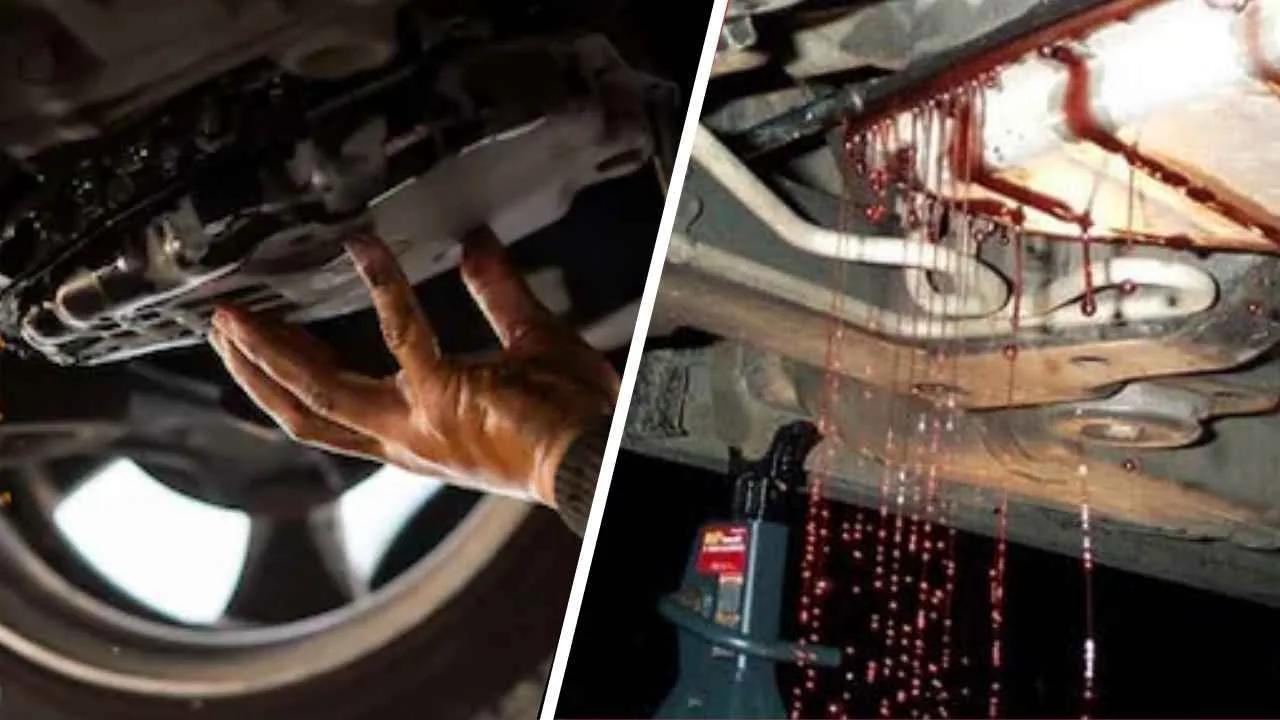
- Puddles of Red or Brown Fluid: If you notice fluid pooling under your vehicle, it’s a sign of a leak. Transmission fluid is typically red or brown.
-
- Slipping Gears: Trouble maintaining gear engagement can indicate that the fluid level is low.
-
- Unusual Noises: Grinding or whining sounds when shifting gears can point to low fluid levels.
-
- Warning Light: Most modern vehicles are equipped with warning systems that alert you if there’s an issue with the transmission fluid levels.
-
- Overheating: If your transmission overheats, you may experience significant performance problems.
How to Diagnose Transmission Fluid Leaks: Step by Step
Diagnosing transmission fluid leaks requires careful observation and a systematic approach. Here’s a step-by-step guide to help you identify the problem:
-
- Visual Inspection: Start by examining the area under your vehicle. Look for puddles or spots of red or brown fluid.
-
- Check Fluid Level: Use the dipstick to check the transmission fluid level. Low levels can confirm that a leak is present.
-
- Inspect Seals and Gaskets: Look around the transmission pan, seals, and gaskets for any signs of leakage or wear.
-
- Examine Cooling Lines: Assess both the upper and lower cooling lines for any visible damage or corrosion.
-
- Test Drive: If you don’t see any fluid, take a short test drive and then re-inspect for leaks. Sometimes, the fluid may only leak when the transmission is under pressure.
-
- Professional Evaluation: If the source of the leak remains uncertain, consider taking your vehicle to a qualified mechanic for a thorough examination.
Step-by-Step Solutions and Fixes
Once you’ve diagnosed the source of the transmission fluid leaks, it’s time to address the issue. Here are some common fixes:
-
- Replace Seals and Gaskets:
-
- Use a torque wrench to remove transmission pan bolts.
-
- Clean the mating surfaces and replace the old seal with a new one.
-
- Reassemble and torque the bolts to the manufacturer’s specifications.
-
- Replace Seals and Gaskets:
-
- Repair or Replace the Transmission Pan:
-
- If there are cracks, replace the pan entirely.
-
- If it’s bent, you may be able to straighten it out. However, replacement is often the best option.
-
- Repair or Replace the Transmission Pan:
-
- Secure the Drain Plug:
-
- Ensure it’s tightly fastened to prevent leaks.
-
- Replace the drain plug if damaged.
-
- Secure the Drain Plug:
-
- Replace Cooling Lines:
-
- Use new lines if corrosion is evident.
-
- Ensure tight connections to prevent leaks.
-
- Replace Cooling Lines:
-
- Fluid Change:
-
- Change the transmission fluid, especially if it is dirty or burnt, which might have contributed to leaks.
-
- Fluid Change:
Safety Tips and Risks If Ignored
Ignoring transmission fluid leaks can lead to severe consequences. Here are some safety tips and risks associated with neglecting this issue:
-
- Overheating: Insufficient fluid can cause the transmission to overheat, potentially leading to catastrophic failure.
-
- Loss of Control: Slipping gears can compromise vehicle control, increasing the risk of an accident.
-
- Increased Repair Costs: Waiting too long to address a leak can lead to more extensive damage, resulting in more costly repairs.
-
- Personal Safety: Always put on safety equipment, such as gloves and goggles, when performing repairs to protect against injuries.
Prevention and Maintenance Advice
Preventing transmission fluid leaks is often easier than diagnosing and fixing them. Here are some maintenance tips to keep your transmission in optimal condition:
-
- Regular Fluid Checks: Make it a habit to check your transmission fluid level monthly.
-
- Change Fluid Regularly: Follow the manufacturer’s guidelines for fluid changes.
-
- Watch for Warning Signs: Be proactive by paying attention to any changes in your vehicle’s performance.
-
- Professional Inspections: Schedule periodic professional evaluations to catch any issues before they escalate.
Conclusion
Understanding and addressing transmission fluid leaks is vital for keeping your vehicle running smoothly. Recognizing the symptoms, diagnosing the problem, and taking corrective action can save you time, money, and potential safety risks. By implementing routine maintenance and staying vigilant, you can ensure that your transmission remains in peak condition. If you find yourself in doubt, always consult a trusted mechanic to help you navigate the complexities of vehicle repair.
Frequently Asked Questions
1. What are common signs of a transmission fluid leak?
Common signs of a transmission fluid leak include puddles of red or brown fluid under your vehicle, slipping gears, unusual noises, and a warning light on your dashboard.
2. How can I diagnose a transmission fluid leak?
You can diagnose a transmission fluid leak by performing a visual inspection, checking the fluid level with a dipstick, inspecting seals and gaskets, and possibly taking a test drive to observe any fluid loss under pressure.
3. What should I do if I notice a transmission fluid leak?
If you notice a transmission fluid leak, check your fluid levels, visually inspect the seals and pans, and consider taking your vehicle to a mechanic for a professional evaluation.
4. Can I fix a transmission fluid leak myself?
Many transmission fluid leaks can be fixed at home, such as replacing worn seals or tightening the drain plug. However, more complex issues may require professional help.
5. What happens if I ignore a transmission fluid leak?
Ignoring a transmission fluid leak can lead to overheating, slipping gears, increased repair costs, and potential safety hazards while driving. Always address leaks promptly to avoid these risks.