Fuel it Right: Understanding the Best Gas Type for Your Acura MDX
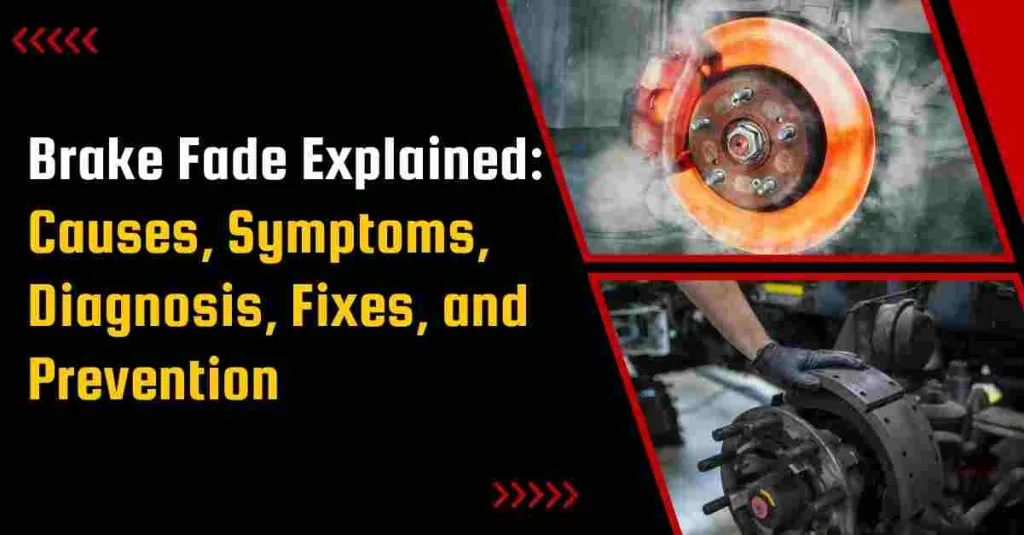
When it comes to vehicle safety, few components are as crucial as the braking system. One significant issue many drivers may encounter is brake fade. Understanding what brake fade is, the common causes, symptoms, and how to diagnose and fix it is essential for every driver. Being informed can not only extend the life of your vehicle but also ensure your safety on the road.
What is Brake Fade?

Brake fade is a reduction in braking effectiveness that occurs when the brake system overheats. This can happen during prolonged use, such as when driving down steep hills or in stop-and-go traffic. When the brakes heat up, the friction materials on the brake pads can begin to break down or lose their effectiveness, leading to longer stopping distances.
For everyday drivers, recognizing the factors contributing to brake fade and knowing how to address it is crucial for safe driving.
Common Causes of Brake Fade
Brake fade typically arises due to a combination of factors. Here are some of the most common culprits:
-
- Overheating: Continuous use of brakes without allowing them to cool down can lead to higher temperatures.
-
- Poor Quality Brake Components: Cheap or worn-out brake pads and rotors can fail under stress.
-
- Brake Fluid Issues: Old or contaminated brake fluid can boil, leading to diminished braking power.
-
- Heavy Loads: Carrying excessive weight can strain the brakes, leading to quicker overheating.
-
- Driving Habits: Aggressive driving styles, such as rapid acceleration and hard braking, contribute to faster wear.
Understanding these causes is a vital step in tackling brake fade before it becomes a severe problem.
Symptoms and Warning Signs
Recognizing the symptoms of brake fade early can save you time, money, and potential danger. Be on the lookout for:
-
- Longer Stopping Distances: Noticeable delays when pressing the brake pedal.
-
- Reduced Responsiveness: The pedal feels spongy or less effective than usual.
-
- Brake Noise: Strange sounds, like squealing or grinding, may indicate an issue with brake components.
-
- Pedal Vibration: A pulsating feel to the brake pedal could mean warped rotors.
-
- Foul Smells: Overheating can produce unpleasant odors from the brakes.
If any of these symptoms arise, it’s time to inspect your braking system immediately.
How to Diagnose Brake Fade Step by Step
Diagnosing brake fade requires careful observation and methodical steps. Here’s how to approach it:
-
- Visual Inspection: Start by checking the brake pads and rotors for wear and tear. Look for uneven wear or surface cracks.
-
- Check Brake Fluid Level: Inspect the brake fluid reservoir to ensure it’s filled to the required level. Old fluid can lead to vaporization under heat.
-
- Test Drive: Go for a short drive in a safe location. Accelerate to around 30 mph and apply the brakes firmly to assess responsiveness.
-
- Heat Test: After a series of hard braking scenarios, check how warm the brake components feel. Overheating can indicate a fade issue.
-
- Listen for Unusual Noises: During your test drive, pay attention to any abnormal noises that could indicate a problem.
By following these steps, you should gain a clear understanding of whether you’re facing brake fade.
Step-by-Step Solutions and Fixes
If you’ve identified that brake fade is a problem, here are effective solutions to address it:
1. Replace Brake Pads and Rotors
-
- Purchase high-quality brake pads designed for your vehicle type.
-
- Remove the wheel and caliper to access the pads and rotor.
-
- Replace worn pads and consider resurfacing or replacing rotors if damaged.
2. Flush and Replace Brake Fluid
-
- Begin by loosening the brake fluid reservoir cap.
-
- Use a brake bleeder kit to remove old fluid from the lines.
-
- Refill with fresh, manufacturer-recommended brake fluid.
3. Adjust Driving Habits
-
- Avoid heavy braking in stop-and-go situations whenever possible.
-
- Use engine braking by downshifting, especially in hilly areas.
-
- Make gradual stops rather than sudden ones to reduce brake wear.
4. Inspect the Entire Brake System
-
- Regularly inspect your brake system and other related components like hoses and lines for leaks or damage.
-
- Make sure to check alignment and suspension, as poor alignment can affect braking.
5. Upgrade Components When Necessary
-
- If you’re experiencing frequent brake fade, consider upgrading to performance brake pads and rotors that can withstand higher temperatures.
By implementing these steps, you can effectively manage brake fade and maintain optimal braking performance.
Safety Tips and Risks If Ignored
Ignoring brake fade can have dire consequences, including severe accidents. Here are crucial safety tips:
-
- Regular Maintenance: Schedule regular brake inspections to catch potential problems early.
-
- Know Your Vehicle: Understand your vehicle’s natural braking performance—what feels “normal” for your car.
-
- Don’t Push It: If you notice fading, do not delay in taking action. A little ignorance can lead to catastrophic outcomes.
Prioritizing brake maintenance ensures your safety and the safety of those sharing the road with you.
Prevention and Maintenance Advice
Preventing brake fade is essential for maintaining your vehicle’s integrity and safety. Here are some maintenance tips:
-
- Routine Check-Ups: Schedule brake system checks with a trusted mechanic every 6 to 12 months.
-
- Brake Fluid Replacement: Change brake fluid every couple of years to prevent moisture buildup.
-
- Choose Quality Parts: Invest in high-performance brake pads and rotors, especially if you frequently drive in challenging conditions.
-
- Warm-Up Period: Allow your brakes to cool down after strenuous driving before getting back on the road.
By adhering to these guidelines, you can effectively minimize the occurrence of brake fade.
Conclusion
Brake fade is a serious issue that all drivers should understand. It can compromise safety and performance. By recognizing the signs, knowing how to diagnose the problem, and taking steps to fix it, you can ensure a safer driving experience. Remember, taking preventive measures and performing regular maintenance not only enhances your vehicle’s lifespan but also contributes to your overall safety.
Frequently Asked Questions
1. What is brake fade and how does it occur?
Brake fade is the reduction in braking effectiveness due to overheating. It often occurs during prolonged braking, like driving downhill or in stop-and-go traffic.
2. What are the common causes of brake fade?
Common causes include overheating, poor-quality components, brake fluid issues, carrying heavy loads, and aggressive driving habits.
3. How can I diagnose brake fade in my vehicle?
Identifying brake fade involves inspecting the braking system, checking brake fluid levels, testing responsiveness, and conducting heat tests during driving.
4. Are there solutions available for brake fade issues?
Absolutely! Solutions include replacing brake pads, flushing the brake fluid, upgrading components, and adjusting driving habits to minimize strain on the braking system.
5. What preventative measures can I take against brake fade?
Regular maintenance, routine inspections, quality parts, and being mindful of driving habits are key preventive steps to avoid brake fade.