Symptoms Your Vehicle Has a Blown Head Gasket and Solutions (Complete Guide)
Symptoms Your Vehicle Has a Blown Head Gasket and Solutions
Symptoms Your Vehicle has a Blown Head Gasket and solutions is one of the most searched engine-related topics among car owners in the USA and UK—and for good reason. A blown head gasket is one of the most serious and expensive engine problems a vehicle can face. If ignored, it can lead to total engine failure. The good news is that early warning signs often appear long before catastrophic damage occurs. Knowing what to look for and how to respond can save you thousands of dollars and a lot of stress.
This guide explains what a blown head gasket is, why it happens, the most common symptoms, and the realistic solutions available. Whether you’re a daily commuter, a weekend driver, or someone trying to decide whether to repair or replace a vehicle, this article will help you make informed decisions.
What Is a Head Gasket and Why Is It So Important?
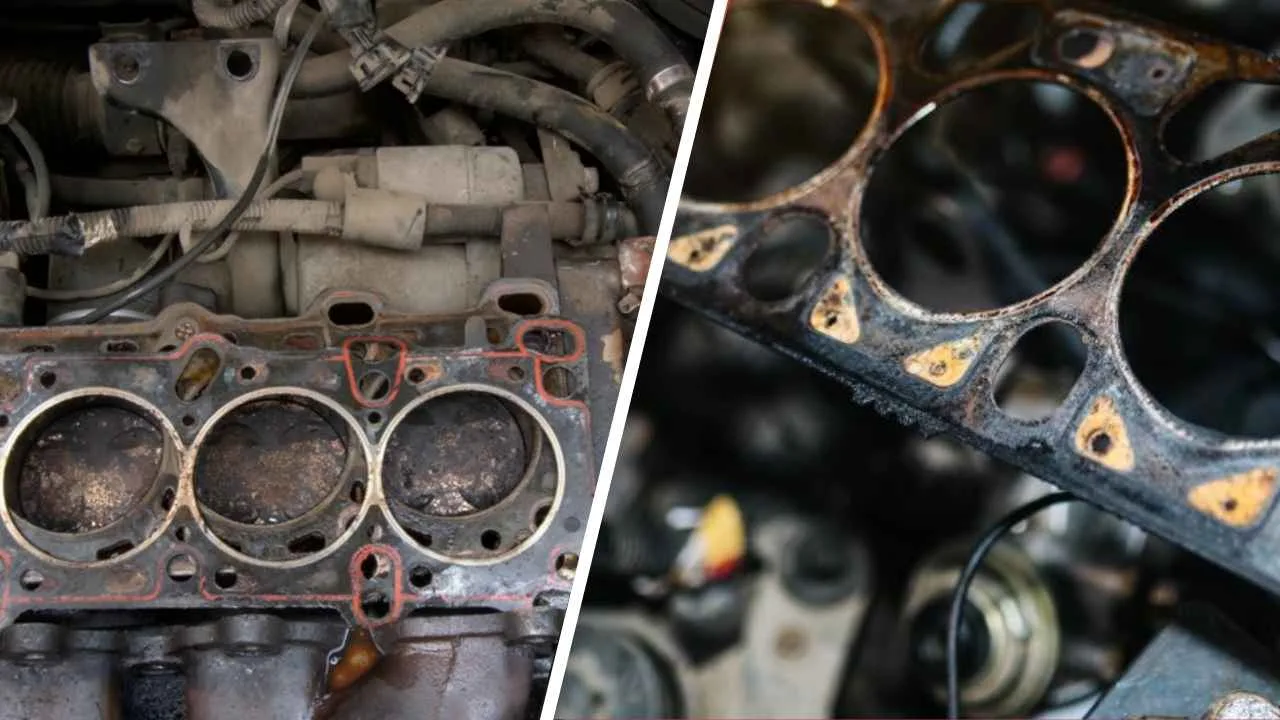
The head gasket is a thin but critical seal that sits between the engine block and the cylinder head. Its job is to:
- Seal the combustion chamber
- Keep engine oil and coolant in their proper channels
- Maintain proper compression inside the engine
When the head gasket fails, these systems mix or leak. Coolant can enter the cylinders, oil can contaminate coolant, and compression can escape. This is why head gasket failure causes such severe and wide-ranging problems.
What Causes a Blown Head Gasket?
Understanding the causes helps explain why the symptoms appear the way they do.
Engine Overheating
The most common cause of a blown head gasket is overheating. Excess heat causes the cylinder head to warp, breaking the seal.
Poor Cooling System Maintenance
Low coolant, old coolant, clogged radiators, or a failing water pump can all lead to gasket failure.
Detonation and Pre-Ignition
Abnormal combustion creates extreme pressure inside the cylinders, stressing the gasket.
High Mileage and Age
Over time, gaskets naturally weaken due to heat cycles and material breakdown.
Improper Repairs
Incorrect torque settings or reused head bolts during previous engine work can lead to premature failure.
Symptoms Your Vehicle Has a Blown Head Gasket
Below are the most common and reliable warning signs. One symptom alone may not confirm failure, but multiple signs together are a strong indicator.
1. Engine Overheating
If your engine overheats repeatedly—even after topping up coolant—it may be losing coolant into the combustion chamber.
2. White Smoke from the Exhaust
Thick white smoke or steam indicates coolant burning inside the engine. This is one of the clearest visual signs.
3. Milky or Frothy Engine Oil
When coolant mixes with oil, it creates a milky, coffee-colored sludge under the oil cap or on the dipstick.
4. Unexplained Coolant Loss
If coolant disappears without visible leaks, it may be entering the cylinders.
5. Rough Idle and Misfires
Coolant in the combustion chamber disrupts ignition, causing misfires and shaking.
6. Bubbles in Radiator or Coolant Reservoir
Exhaust gases leaking into the cooling system create visible bubbling.
7. Loss of Engine Power
Reduced compression leads to poor acceleration and weak engine performance.
8. Check Engine Light
Misfire codes, overheating warnings, or oxygen sensor errors often accompany gasket failure.
How to Confirm a Blown Head Gasket
Mechanics typically use one or more of the following tests:
- Compression test
- Leak-down test
- Cooling system pressure test
- Chemical block test for exhaust gases
Accurate diagnosis is essential before committing to costly repairs.
Solutions for a Blown Head Gasket
1. Head Gasket Replacement
This is the proper and permanent fix. The cylinder head is removed, inspected, resurfaced if needed, and the gasket replaced.
Typical cost:
- USA: $1,500 – $4,500+
- UK: £900 – £3,000+
2. Engine Rebuild or Replacement
If overheating caused severe damage, rebuilding or replacing the engine may be more cost-effective.
3. Temporary Head Gasket Sealers
Chemical sealers may work short-term in minor cases, but they are not a reliable long-term solution.
4. Vehicle Replacement
For older, high-mileage vehicles, selling or scrapping may make more financial sense.
Real-World Practical Tips
- Stop driving immediately if the engine overheats
- Never open a hot radiator cap
- Check oil and coolant weekly if symptoms appear
- Get a diagnosis before approving repairs
Common Mistakes to Avoid
- Ignoring overheating warnings
- Continuing to drive with white smoke
- Using sealers as a permanent fix
- Skipping professional inspection
Safety Tips and Important Warnings
- Overheated engines can seize suddenly
- Coolant is toxic—avoid skin contact
- Driving with coolant loss can cause engine fire
Prevention and Long-Term Maintenance Advice
- Maintain proper coolant levels
- Flush coolant at recommended intervals
- Fix cooling system leaks early
- Do not ignore temperature gauge changes
Frequently Asked Questions
1. Can I drive with a blown head gasket?
Driving is strongly discouraged. Damage worsens quickly and can destroy the engine.
2. Is a blown head gasket worth fixing?
It depends on vehicle value, age, and overall condition.
3. How long does head gasket repair take?
Typically 2–5 days depending on engine complexity.
4. Will a blown head gasket fail suddenly?
Sometimes, but most failures show gradual warning signs.
5. Can overheating alone cause gasket failure?
Yes. Even one severe overheating event can destroy the gasket.
Conclusion: Key Takeaways
Symptoms Your Vehicle has a Blown Head Gasket and solutions should never be ignored. Early symptoms like overheating, white smoke, and coolant loss are your engine’s way of asking for help. Acting quickly can mean the difference between a repair and a complete engine replacement.
If you notice more than one warning sign, stop driving and get a professional diagnosis immediately. Proper maintenance, cooling system care, and fast response are the best ways to protect your engine and your wallet.