

The $20 Part That Can Save You a $4,000 Repair: How a Cheap Thermostat Prevents Engine Failure
The $20 Part That Can Save You a $4,000 Repair
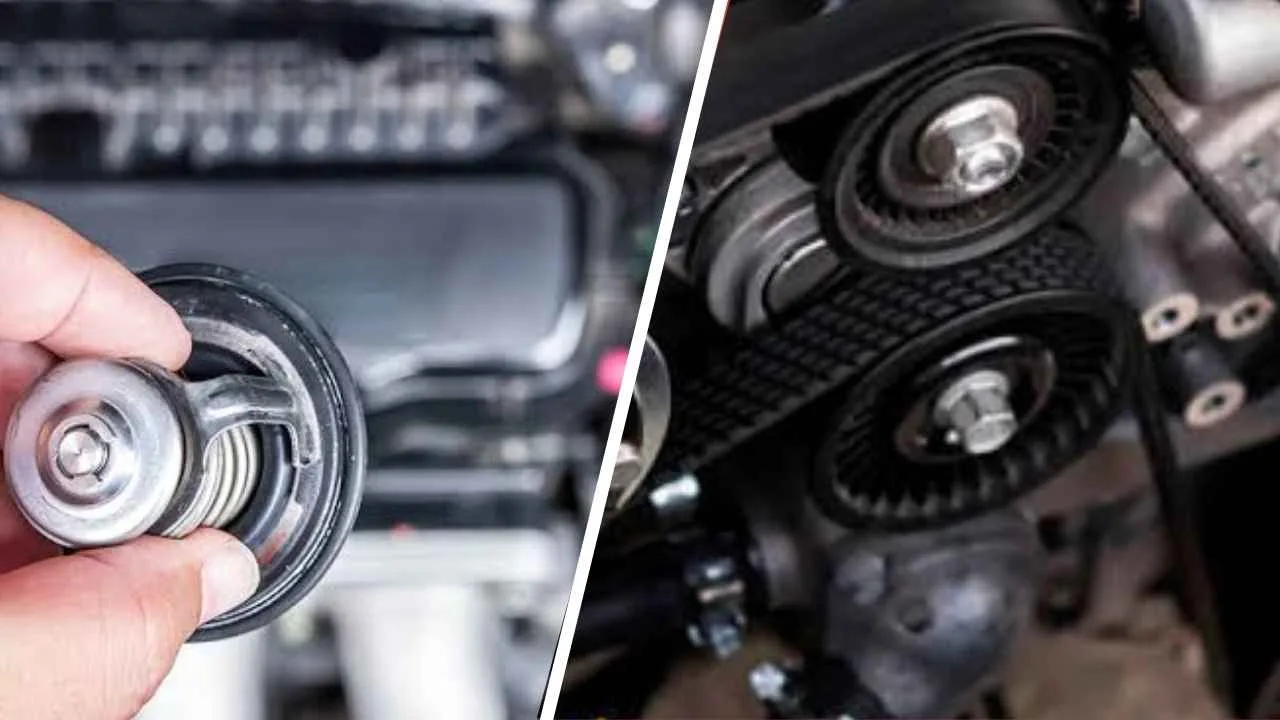
Most drivers don’t think twice about small, inexpensive components hidden under the hood. However, The $20 Part That Can Save You a $4,000 Repair isn’t just clickbait—it’s a reality for thousands of vehicle owners every year. A simple part costing less than a dinner for two can prevent catastrophic engine damage, transmission failure, or cooling system disasters. Ignoring it, on the other hand, can leave you with repair bills that easily climb into the thousands.
In this guide, we’ll explain why this inexpensive component matters so much, how it protects your vehicle, the warning signs that it’s failing, and what you can do to avoid a costly repair. Whether you drive a compact car, SUV, pickup truck, hybrid, or diesel vehicle, understanding this simple maintenance item can save you a significant amount of money and stress.
What Is The $20 Part That Can Save You a $4,000 Repair?
Although several inexpensive automotive parts fit this description, one of the most common examples is the engine coolant thermostat. Depending on your vehicle, a replacement thermostat usually costs between $15 and $30, making it one of the cheapest components in your cooling system.
Despite its low price, the thermostat plays a critical role. It regulates engine temperature by controlling the flow of coolant between the engine and the radiator. When it works correctly, your engine reaches its ideal operating temperature quickly and stays there.
If the thermostat sticks closed, coolant can’t circulate properly. The engine overheats, which can lead to:
- Blown head gasket
- Warped cylinder head
- Cracked engine block
- Damaged pistons
- Complete engine replacement
Repairs for these problems often range from $2,000 to more than $4,000 depending on the vehicle.
Why Such a Small Part Has Such a Big Job
Modern engines operate within a very narrow temperature range. Too cold, and fuel economy suffers. Too hot, and internal metal components begin expanding beyond their design limits.
The thermostat acts like a traffic controller for coolant.
- When the engine is cold, it stays closed.
- As the engine warms up, it gradually opens.
- Once operating temperature is reached, it constantly adjusts coolant flow.
This continuous balancing act keeps combustion efficient while preventing dangerous overheating.
How a Failed Thermostat Leads to a $4,000 Repair
Step 1: Thermostat Sticks Closed
The thermostat stops opening due to corrosion, age, or internal mechanical failure.
Step 2: Coolant Stops Circulating
The water pump continues spinning, but coolant remains trapped inside the engine.
Step 3: Engine Temperature Rises Rapidly
Within minutes, temperatures climb well beyond safe operating limits.
Step 4: Engine Components Begin Warping
Aluminum cylinder heads are especially vulnerable to heat distortion.
Step 5: Head Gasket Fails
The gasket sealing combustion chambers can no longer maintain pressure.
Step 6: Complete Engine Damage
If driving continues, internal engine damage becomes extensive, requiring major repairs or replacement.
Common Causes of Thermostat Failure
Like every mechanical component, thermostats wear out over time.
1. Age
Most thermostats last between 80,000 and 120,000 miles.
2. Corrosion
Old coolant loses its protective additives, allowing rust and mineral deposits to build up.
3. Poor Maintenance
Skipping coolant flushes increases contamination throughout the cooling system.
4. Cheap Replacement Parts
Low-quality aftermarket thermostats may fail much sooner than original equipment parts.
5. Contaminated Coolant
Mixing incompatible coolant types can accelerate corrosion and internal deposits.
Warning Signs You Should Never Ignore
Your vehicle often gives several warnings before major engine damage occurs.
Temperature Gauge Rising
If the temperature needle climbs above normal, investigate immediately.
Engine Overheating Warning
Dashboard warning lights should never be ignored.
No Heat From Cabin Heater
A stuck thermostat may prevent proper coolant circulation through the heater core.
Coolant Boiling
Steam coming from under the hood indicates dangerously high temperatures.
Coolant Overflow
Pressure buildup may force coolant into the overflow reservoir.
Poor Fuel Economy
A thermostat stuck open keeps the engine running colder than designed.
Step-by-Step Solution
Step 1: Confirm the Symptoms
Use an OBD-II scanner to check for cooling system fault codes.
Step 2: Inspect Coolant Level
Never remove the radiator cap while the engine is hot.
Step 3: Pressure Test the Cooling System
This helps identify leaks before replacing components.
Step 4: Replace the Thermostat
Install a quality replacement thermostat with a new gasket.
Step 5: Replace Old Coolant
Fresh coolant improves cooling performance and corrosion protection.
Step 6: Bleed Air From the Cooling System
Air pockets can cause overheating even after repairs.
Step 7: Verify Proper Operation
Monitor engine temperature during a test drive.
Real-World Example
A driver noticed their temperature gauge occasionally climbing during highway driving. Since the vehicle cooled back down after slowing down, they ignored it for several weeks.
Eventually, the thermostat became completely stuck. During a summer road trip, the engine overheated within minutes.
The result included:
- Warped cylinder head
- Blown head gasket
- Damaged radiator
- New water pump
- Engine machining
Total repair bill: approximately $4,300.
If the thermostat had been replaced at the first warning sign, the repair would have cost less than $100 including labor.
Other Cheap Parts That Prevent Expensive Repairs
While the thermostat is an excellent example of The $20 Part That Can Save You a $4,000 Repair, several other inexpensive components deserve attention.
- PCV valve
- Radiator cap
- Serpentine belt
- Fuel filter
- Oil filter
- Engine air filter
- Transmission filter
- Coolant hose clamps
Replacing these low-cost maintenance items on schedule often prevents major mechanical failures.
Common Mistakes to Avoid
- Ignoring an overheating engine.
- Driving with steam coming from under the hood.
- Using plain water instead of coolant.
- Buying the cheapest available replacement part.
- Skipping coolant flush intervals.
- Continuing to drive after temperature warning lights appear.
- Opening the radiator cap on a hot engine.
Safety Tips
- Allow the engine to cool before inspecting the cooling system.
- Wear gloves when working around hot coolant.
- Dispose of used coolant responsibly.
- Never mix different coolant formulations unless approved.
- Watch the temperature gauge during every drive.
Long-Term Maintenance Tips
Preventive maintenance costs far less than engine repairs.
- Replace coolant according to manufacturer recommendations.
- Inspect hoses every oil change.
- Check coolant level monthly.
- Replace the thermostat during major cooling system service.
- Inspect the radiator for debris.
- Replace worn radiator caps.
- Use manufacturer-approved coolant.
- Address temperature fluctuations immediately.
How Much Money Can Preventive Maintenance Save?
| Maintenance Item | Typical Cost | Possible Repair Prevented |
|---|---|---|
| Thermostat | $20–$30 | $2,000–$4,000 Engine Repair |
| Radiator Cap | $15 | Overheating Damage |
| PCV Valve | $15–$25 | Oil Leaks and Engine Sludge |
| Coolant Flush | $100–$180 | Corrosion and Cooling Failure |
| Serpentine Belt | $30–$60 | Water Pump and Alternator Failure |
Why Preventive Maintenance Always Wins
Vehicle ownership is often about making small investments before problems become expensive. Spending $20 today can prevent thousands of dollars in repairs tomorrow. While it’s tempting to postpone maintenance because the vehicle still seems to run normally, internal damage often begins long before symptoms become obvious.
Routine inspections, quality replacement parts, and following recommended maintenance intervals are some of the smartest financial decisions any vehicle owner can make.
Conclusion
The $20 Part That Can Save You a $4,000 Repair serves as a reminder that the smallest components often protect the biggest investments. A simple thermostat, radiator cap, or PCV valve may seem insignificant, but these inexpensive parts play vital roles in keeping your engine healthy.
If your vehicle shows signs of overheating, inconsistent temperature readings, or cooling system issues, don’t wait. Addressing the problem early can prevent catastrophic engine damage, reduce repair costs, improve fuel efficiency, and extend your vehicle’s lifespan.
Regular maintenance isn’t just about keeping your car running—it’s about protecting your wallet. Replacing a low-cost part today is far easier than paying thousands for an engine rebuild tomorrow.
Frequently Asked Questions
1. What is The $20 Part That Can Save You a $4,000 Repair?
In many vehicles, the engine thermostat is one of the best examples. Although inexpensive, it regulates engine temperature and helps prevent severe overheating that can lead to costly engine repairs.
2. How often should I replace my thermostat?
Most thermostats last between 80,000 and 120,000 miles, but replacing it whenever cooling system issues arise or during major cooling system service is a smart preventive measure.
3. Can I drive with a bad thermostat?
Driving with a faulty thermostat is risky. If it sticks closed, your engine can overheat quickly, potentially causing major engine damage that costs thousands to repair.
4. What are the first signs of thermostat failure?
Common warning signs include an overheating engine, fluctuating temperature gauge, poor cabin heater performance, coolant overflow, and reduced fuel efficiency.
5. Is replacing a thermostat a DIY job?
On many vehicles, replacing a thermostat is a manageable DIY repair if you have basic mechanical skills and the proper tools. However, some modern engines require more extensive disassembly, making professional installation the better option.

