

Can You Drive With a Bad Timing Belt? Warning Signs, Risks & Repair Costs
Can You Drive With a Bad Timing Belt? Risks, Warning Signs, and What to Do Next
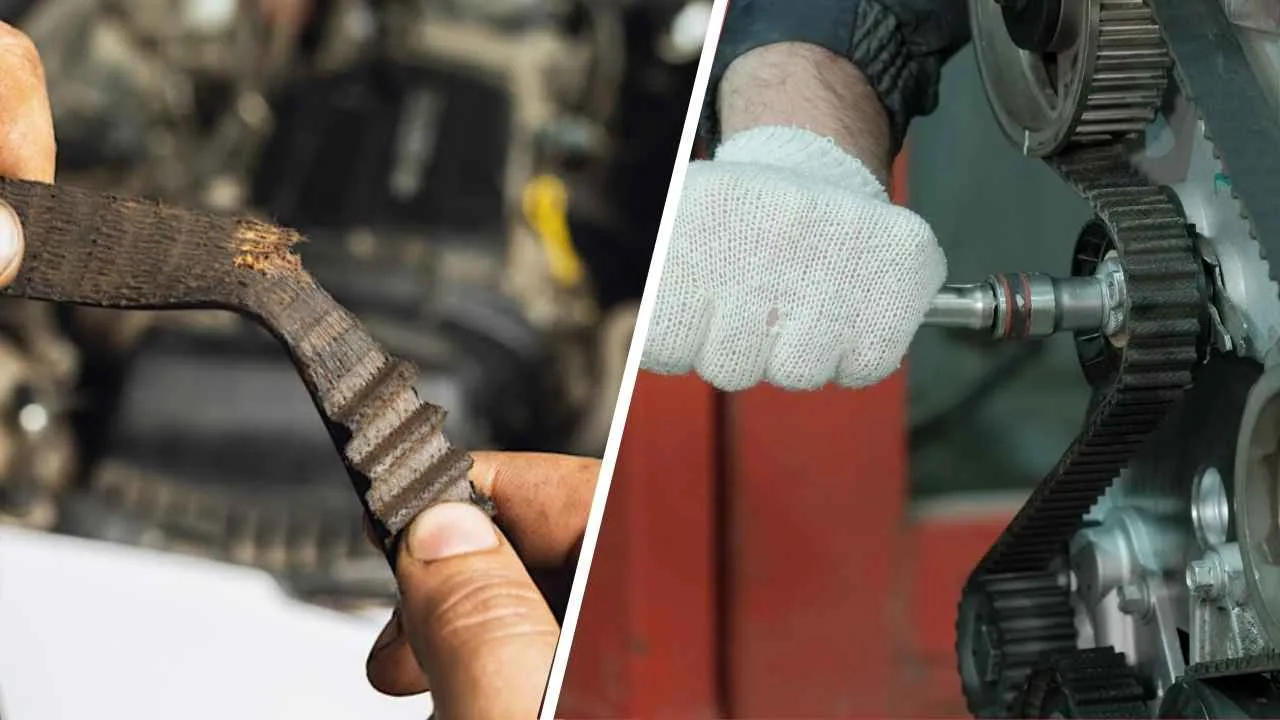
If you’ve ever wondered, Can You Drive With a Bad Timing Belt?, the short answer is: you shouldn’t. While your car may continue running for a short time with a worn or damaged timing belt, driving it is a major risk. A timing belt failure can happen without warning and may lead to severe engine damage that costs thousands of dollars to repair.
The timing belt is one of the most important components in many modern engines. It keeps critical engine parts synchronized and ensures everything operates smoothly. When it starts to wear out, your vehicle may give subtle warning signs. Ignoring those signs can leave you stranded on the side of the road or facing a massive repair bill.
In this guide, we’ll explain everything you need to know about driving with a bad timing belt, including symptoms, dangers, repair options, maintenance tips, and how to avoid costly engine damage.
What Is a Timing Belt and What Does It Do?
A timing belt is a reinforced rubber belt located inside the engine. Its job is to synchronize the rotation of the crankshaft and camshaft. This synchronization allows the engine’s valves and pistons to move at exactly the right time.
Without a properly functioning timing belt, the engine cannot maintain precise timing. Even a small timing issue can affect performance, fuel economy, and reliability.
The timing belt controls:
- Valve timing
- Piston movement synchronization
- Engine combustion timing
- Water pump operation in some vehicles
Because it plays such a critical role, timing belt failure can have catastrophic consequences.
Can You Drive With a Bad Timing Belt?
Can You Drive With a Bad Timing Belt? Technically, your car may still run if the belt is only worn or beginning to fail. However, continuing to drive is extremely risky.
A damaged timing belt can snap at any moment. Unlike many vehicle issues that worsen gradually, timing belt failure often occurs suddenly and without warning.
When the belt breaks:
- The engine immediately stops running.
- The vehicle loses power.
- You may lose power steering assistance.
- You may lose power brake assistance.
- Internal engine damage can occur instantly.
In many vehicles, a broken timing belt can cause pistons and valves to collide, resulting in severe engine damage.
Why Timing Belt Failure Is So Serious
Many modern engines are known as “interference engines.” In these engines, the pistons and valves occupy the same space at different times.
The timing belt ensures they never collide.
If the belt breaks, synchronization is lost immediately. The pistons may strike open valves, causing:
- Bent valves
- Damaged pistons
- Cylinder head damage
- Camshaft damage
- Complete engine failure
Repair costs can range from $1,500 to over $5,000 depending on the vehicle.
Common Causes of Timing Belt Problems
1. Normal Wear and Tear
Timing belts are wear items. Over time, heat, friction, and age weaken the rubber material.
Most manufacturers recommend replacement between 60,000 and 100,000 miles, though some vehicles have different intervals.
2. Oil Leaks
Oil contamination can deteriorate the timing belt material and reduce its lifespan.
Common leak sources include:
- Valve cover gaskets
- Camshaft seals
- Crankshaft seals
3. Misaligned Components
Worn pulleys or tensioners can cause uneven belt wear and premature failure.
4. Water Pump Failure
In many vehicles, the timing belt drives the water pump.
A failing water pump can increase stress on the timing belt system.
5. Poor Maintenance
Ignoring recommended replacement intervals is one of the leading causes of timing belt failure.
Symptoms of a Bad Timing Belt
A timing belt often provides warning signs before complete failure.
Ticking Noise From the Engine
A worn timing belt may create a ticking or clicking sound coming from the engine compartment.
Engine Misfires
If belt timing shifts slightly, the engine may misfire because valves are no longer opening and closing correctly.
Rough Idling
Improper valve timing can cause the engine to run unevenly at idle.
Difficulty Starting
A stretched or damaged timing belt may affect engine timing enough to make starting difficult.
Loss of Power
Incorrect valve timing reduces engine efficiency and performance.
Check Engine Light
Modern vehicles may trigger diagnostic trouble codes related to timing issues.
What Happens If the Timing Belt Breaks While Driving?
If the timing belt snaps while driving, the results can be dramatic.
- The engine suddenly shuts off.
- You lose engine power instantly.
- The vehicle begins slowing down.
- Power steering assistance may disappear.
- Power brake assistance may decrease.
- The vehicle may require towing.
In interference engines, internal damage often occurs within seconds.
This is why mechanics strongly recommend replacing timing belts before they fail.
Step-by-Step Actions If You Suspect Timing Belt Problems
Step 1: Stop Ignoring Symptoms
If you notice unusual engine noises, misfires, or rough idling, schedule an inspection immediately.
Step 2: Check Maintenance Records
Review your vehicle’s service history.
If the timing belt replacement interval has passed, replacement should be prioritized.
Step 3: Get a Professional Inspection
A mechanic can inspect the timing belt and related components for wear.
Step 4: Replace the Entire Timing Belt Kit
Most professionals recommend replacing:
- Timing belt
- Tensioner
- Idler pulleys
- Water pump (if applicable)
Step 5: Avoid Long Trips Until Repairs Are Complete
If timing belt issues are suspected, avoid unnecessary driving.
Real-World Example
A driver purchased a used vehicle with 120,000 miles. The seller claimed the timing belt had recently been replaced, but there was no documentation.
Several weeks later, the engine began making a ticking noise. The driver ignored it because the vehicle still seemed to run normally.
During a highway trip, the timing belt snapped.
The result:
- Bent valves
- Damaged pistons
- Cylinder head repairs
- Over $4,000 in repair costs
A preventive timing belt replacement would have cost a fraction of that amount.
Common Mistakes Drivers Make
Ignoring Replacement Intervals
Many drivers wait until symptoms appear, but timing belts often fail with little warning.
Replacing Only the Belt
Old tensioners and pulleys can fail even after a new belt is installed.
Buying the Cheapest Parts
Low-quality timing components may wear out prematurely.
Ignoring Oil Leaks
Oil contamination can quickly destroy a new timing belt.
Safety Risks of Driving With a Bad Timing Belt
Driving with a bad timing belt is not only expensive—it can also be dangerous.
- Sudden engine shutdown
- Loss of steering assistance
- Reduced braking assistance
- Increased accident risk
- Stranding in unsafe locations
The risk becomes even greater during highway driving where engine failure can create hazardous conditions.
How to Prevent Timing Belt Failure
Follow Manufacturer Recommendations
Always replace the timing belt according to the service schedule.
Inspect for Leaks
Repair oil leaks immediately to prevent belt contamination.
Replace Related Components
Replacing the complete timing belt kit helps ensure long-term reliability.
Use Quality Parts
OEM or high-quality aftermarket parts typically provide better durability.
Keep Service Records
Documentation helps track replacement intervals and improves resale value.
Long-Term Maintenance Advice
Good maintenance habits can dramatically reduce the risk of timing belt failure.
- Inspect belts during routine service visits.
- Monitor for oil leaks.
- Listen for unusual engine noises.
- Replace timing components on schedule.
- Address warning signs immediately.
- Use qualified technicians for repairs.
Proactive maintenance is always cheaper than major engine repairs.
Frequently Asked Questions
1. Can you drive with a bad timing belt for a short distance?
While it may be possible, it is not recommended. A damaged timing belt can fail without warning and cause severe engine damage.
2. What are the signs of a bad timing belt?
Common symptoms include ticking noises, rough idling, engine misfires, difficulty starting, and loss of power.
3. How much does timing belt replacement cost?
Replacement typically costs between $500 and $1,500 depending on the vehicle and labor rates.
4. What happens if a timing belt breaks while driving?
The engine will stop running immediately, and in many vehicles, internal engine damage can occur.
5. How often should a timing belt be replaced?
Most manufacturers recommend replacement between 60,000 and 100,000 miles, though intervals vary by vehicle.
Conclusion
So, Can You Drive With a Bad Timing Belt? The answer is clear: you shouldn’t. While the vehicle may continue running temporarily, the risk of sudden failure and catastrophic engine damage is simply too high.
A timing belt is one of the most critical components in your engine. Ignoring warning signs or delaying replacement can turn a manageable maintenance job into a repair bill worth thousands of dollars.
If your vehicle is approaching its recommended timing belt replacement interval or showing signs of timing belt wear, schedule an inspection as soon as possible. Acting early can save money, prevent breakdowns, and keep your vehicle running reliably for years to come.


