Simple Car Habits That Save Thousands in Repairs: Easy Maintenance Tips Every Driver Should Follow
Simple Car Habits That Save Thousands in Repairs: Smart Driving and Maintenance Tips Every Car Owner Should Know
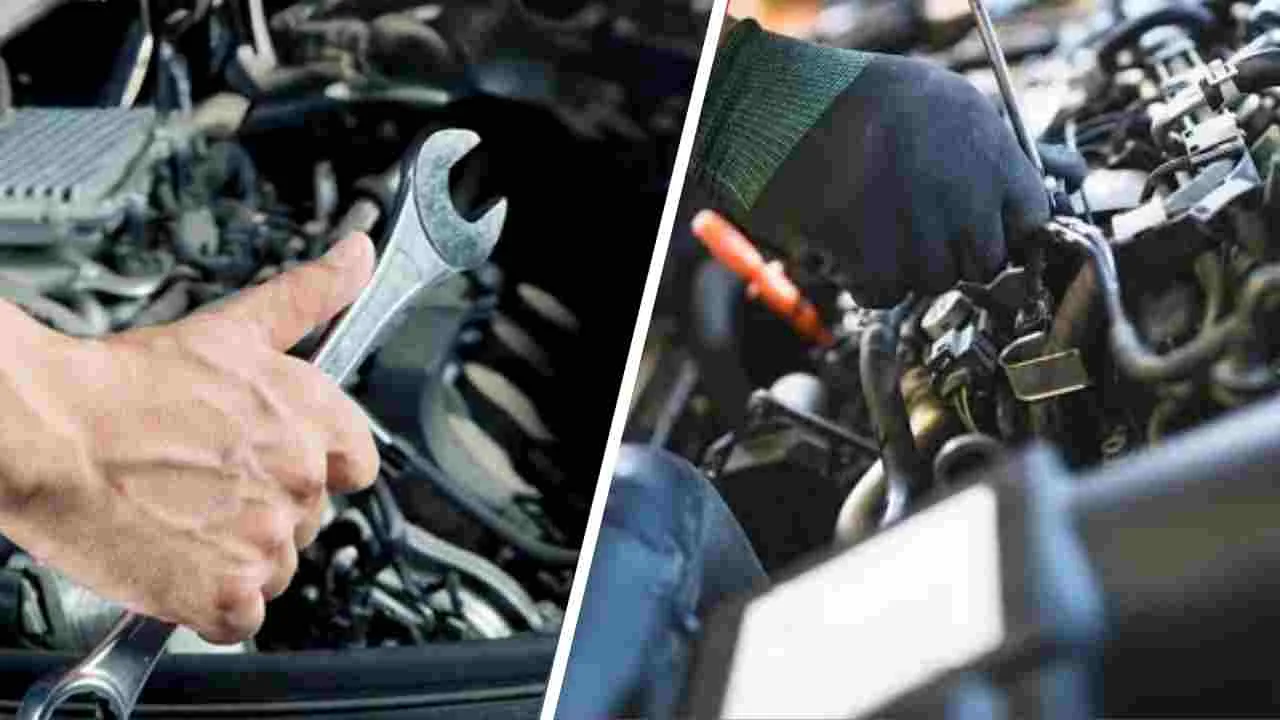
Your vehicle is one of the biggest investments you’ll make, and taking care of it doesn’t have to be expensive. In fact, adopting Simple Car Habits That Save Thousands in Repairs can significantly extend your vehicle’s lifespan while helping you avoid costly breakdowns. Many major automotive repairs don’t happen overnight—they’re often the result of small maintenance tasks being ignored over time.
Whether you drive a compact car, family SUV, pickup truck, hybrid, or luxury vehicle, developing a few smart habits can reduce repair bills, improve fuel efficiency, and keep your car running reliably for years. In this guide, you’ll learn practical maintenance routines, driving habits, and preventive measures that every car owner should follow. These easy-to-implement tips are especially valuable for drivers in the USA and UK, where vehicles are often relied upon for daily commuting and long-distance travel.
Why Small Habits Make a Big Difference
Modern vehicles are engineered to last well beyond 150,000 miles when properly maintained. However, neglecting simple maintenance tasks can lead to premature wear and expensive repairs. A small oil leak, underinflated tire, or overdue fluid change may seem harmless at first, but these minor issues can quickly turn into major mechanical failures.
Preventive maintenance is always more affordable than emergency repairs. Replacing a worn belt, changing engine oil on time, or checking coolant levels costs far less than rebuilding an engine or replacing a transmission.
The Financial Benefits of Good Car Habits
Developing good vehicle maintenance habits offers more than just peace of mind.
- Lower repair costs
- Improved fuel economy
- Longer engine life
- Better resale value
- Fewer unexpected breakdowns
- Safer driving experience
- Reduced maintenance expenses over time
These savings add up throughout the life of your vehicle.
1. Change Your Engine Oil on Time
One of the most important Simple Car Habits That Save Thousands in Repairs is changing your engine oil according to the manufacturer’s recommended schedule.
Engine oil lubricates moving parts, reduces friction, prevents overheating, and removes contaminants. As oil ages, it loses its protective qualities, allowing increased wear inside the engine.
Benefits of Regular Oil Changes
- Protects engine components
- Improves fuel efficiency
- Reduces engine wear
- Prevents sludge buildup
- Extends engine life
Ignoring oil changes can eventually result in severe engine damage costing several thousand dollars.
2. Check Tire Pressure Every Month
Many drivers overlook tire pressure until a warning light appears. Unfortunately, underinflated tires wear out faster, reduce fuel economy, and increase the risk of blowouts.
Checking tire pressure only takes a few minutes and helps:
- Improve handling
- Increase fuel efficiency
- Extend tire life
- Improve braking performance
- Reduce suspension wear
Always check tire pressure when the tires are cold and follow the manufacturer’s recommended pressure.
3. Watch Dashboard Warning Lights
Dashboard warning lights are your vehicle’s way of communicating potential problems. Ignoring them is one of the most expensive mistakes drivers make.
Common warning lights include:
- Check Engine Light
- Oil Pressure Warning
- Battery Warning
- Brake Warning
- Coolant Temperature Warning
- Tire Pressure Monitoring System (TPMS)
Addressing these warnings early often prevents much larger repair bills.
4. Warm Up Your Car Properly
Modern engines don’t require long warm-up periods. Instead, allow the engine to idle for about 30 seconds before driving gently until it reaches normal operating temperature.
Avoid aggressive acceleration immediately after starting a cold engine, especially during winter months.
5. Drive Smoothly
Your driving style directly affects the lifespan of many vehicle components.
Aggressive driving causes excessive wear on:
- Brakes
- Transmission
- Suspension
- Tires
- Engine components
Smooth acceleration and gradual braking not only improve fuel efficiency but also reduce mechanical stress.
6. Replace Air Filters Regularly
A clean engine air filter allows the proper amount of clean air into the engine for efficient combustion.
A clogged filter can lead to:
- Reduced fuel economy
- Poor engine performance
- Higher emissions
- Reduced acceleration
Replacing an air filter is inexpensive and can noticeably improve engine performance.
7. Check Fluid Levels Frequently
Your vehicle depends on several essential fluids to operate safely.
Fluids to Monitor
- Engine oil
- Coolant
- Brake fluid
- Transmission fluid
- Power steering fluid
- Windshield washer fluid
Low or contaminated fluids often lead to expensive component failures.
8. Keep Your Battery Clean
Battery corrosion can reduce electrical performance and eventually prevent your vehicle from starting.
Inspect battery terminals regularly for corrosion and clean them when necessary. Also ensure the battery is securely mounted.
9. Listen for Unusual Sounds
Your car often provides early warning signs before major problems develop.
Pay attention to:
- Squealing brakes
- Knocking engine sounds
- Grinding noises
- Suspension clunks
- Whining transmission sounds
- Exhaust leaks
Early diagnosis usually means simpler and less expensive repairs.
10. Wash Your Vehicle Regularly
Keeping your vehicle clean isn’t just about appearance. Dirt, road salt, bird droppings, and tree sap can damage paint and encourage rust.
Regular washing helps protect:
- Paintwork
- Undercarriage
- Brake components
- Suspension parts
- Body panels
Applying wax several times a year provides additional protection against the elements.
Practical Example
Imagine two drivers who own identical vehicles.
The first driver changes the oil on schedule, checks tire pressure monthly, replaces filters when needed, and addresses warning lights immediately. After 150,000 miles, the vehicle remains reliable with only routine maintenance expenses.
The second driver skips oil changes, ignores unusual noises, delays brake repairs, and neglects tire maintenance. By 100,000 miles, they face expensive repairs including engine work, suspension replacement, brake system repairs, and premature tire replacement.
The difference isn’t the vehicle—it’s the owner’s habits. Small, consistent maintenance routines can save thousands of dollars over the lifetime of a car.
Step-by-Step Car Maintenance Routine That Saves Money
Creating a simple maintenance routine helps you catch small issues before they become expensive repairs. You don’t need to be a mechanic—just a few minutes each month can make a huge difference.
- Check Engine Oil Monthly
Use the dipstick to ensure the oil level is within the recommended range and look for signs of contamination. - Inspect Tire Pressure and Tread
Use a tire pressure gauge and inspect tread depth for uneven wear or damage. - Monitor All Fluid Levels
Check coolant, brake fluid, transmission fluid, and windshield washer fluid regularly. - Inspect Lights and Wipers
Ensure headlights, brake lights, indicators, and windshield wipers are functioning properly. - Listen During Every Drive
Pay attention to unusual sounds, vibrations, or warning lights. - Wash Your Vehicle Frequently
Clean the exterior and undercarriage to prevent rust and corrosion. - Follow the Manufacturer’s Service Schedule
Never skip scheduled maintenance intervals.
Additional Simple Car Habits That Save Thousands in Repairs
11. Don’t Ignore Small Fluid Leaks
A few drops of oil or coolant under your vehicle might not seem serious, but they often indicate a developing problem. Repairing a small leak early is far cheaper than replacing a damaged engine or transmission.
12. Avoid Driving on Low Fuel
Frequently driving with an almost empty fuel tank can overwork the fuel pump and allow debris from the bottom of the tank to enter the fuel system.
13. Rotate Your Tires
Rotating tires every 5,000–8,000 miles promotes even wear, improves handling, and extends tire life.
14. Replace Worn Brake Pads Early
Brake pads are inexpensive compared to replacing damaged brake rotors or calipers. Listen for squealing or grinding noises and replace pads before excessive wear occurs.
15. Park Smart
Whenever possible, park in shaded or covered areas. This protects your paint, dashboard, tires, and interior from sun damage and extreme weather.
Common Mistakes to Avoid
- Ignoring warning lights.
- Skipping scheduled maintenance.
- Driving with low engine oil.
- Neglecting tire pressure checks.
- Ignoring strange noises or vibrations.
- Using the wrong engine oil or coolant.
- Waiting too long to replace brake pads.
- Overloading the vehicle beyond its capacity.
- Driving aggressively every day.
- Postponing minor repairs until they become major problems.
Safety Tips Every Driver Should Follow
- Always inspect your vehicle before long trips.
- Keep an emergency roadside kit in your car.
- Check tire condition before highway driving.
- Replace worn windshield wipers before rainy seasons.
- Never ignore brake warning lights.
- Pull over safely if your engine overheats.
- Follow recommended tire replacement intervals.
- Keep your spare tire properly inflated.
Long-Term Maintenance Advice
Good habits today lead to fewer repairs tomorrow. Preventive maintenance not only reduces repair bills but also improves resale value and driving safety.
Annual Maintenance Checklist
- Replace engine oil and oil filter as recommended.
- Inspect the battery and charging system.
- Check brake pads and brake fluid.
- Replace cabin and engine air filters.
- Inspect belts and hoses for wear.
- Flush coolant according to the service schedule.
- Rotate and balance tires.
- Perform a wheel alignment if necessary.
- Inspect suspension and steering components.
- Wash and wax the vehicle several times each year.
Quick Preventive Maintenance Checklist
| Maintenance Task | Recommended Frequency |
|---|---|
| Check engine oil | Monthly |
| Check tire pressure | Monthly |
| Rotate tires | Every 5,000–8,000 miles |
| Replace engine oil | As recommended by manufacturer |
| Replace air filter | 12,000–15,000 miles (or as recommended) |
| Inspect brakes | Every service |
| Check battery terminals | Every 6 months |
| Inspect coolant level | Monthly |
| Wash vehicle | Every 2–4 weeks |
| Professional inspection | Annually |
Conclusion
Simple Car Habits That Save Thousands in Repairs aren’t complicated or expensive—they’re built on consistency. Small actions like changing your oil on time, checking tire pressure, monitoring fluid levels, and responding quickly to warning lights can dramatically reduce the likelihood of major mechanical failures.
Preventive maintenance is one of the smartest investments any car owner can make. Not only will these habits help you save money, but they’ll also improve your vehicle’s reliability, fuel efficiency, safety, and resale value.
Remember, most expensive repairs begin as small, easily fixable problems. By developing good driving and maintenance habits today, you’ll protect your vehicle for years to come and enjoy a smoother, safer, and more affordable ownership experience.
Frequently Asked Questions
1. What are the most important simple car habits that save thousands in repairs?
The most effective habits include changing engine oil on schedule, checking tire pressure monthly, monitoring fluid levels, replacing air filters regularly, and addressing dashboard warning lights immediately.
2. How often should I inspect my vehicle?
You should perform a basic inspection at least once a month and before any long road trip. Regular inspections help identify minor issues before they become costly repairs.
3. Can smooth driving really reduce repair costs?
Yes. Gentle acceleration, gradual braking, and avoiding aggressive driving reduce wear on the engine, transmission, brakes, suspension, and tires, helping these components last much longer.
4. Why is preventive maintenance better than waiting for repairs?
Preventive maintenance costs significantly less than repairing major mechanical failures. Replacing inexpensive parts before they fail often prevents expensive damage to other components.
5. Which maintenance task saves the most money over time?
Regular engine oil changes are among the most valuable maintenance tasks. Clean oil protects internal engine components, reduces wear, and can prevent engine damage that may cost thousands of dollars to repair or replace.