
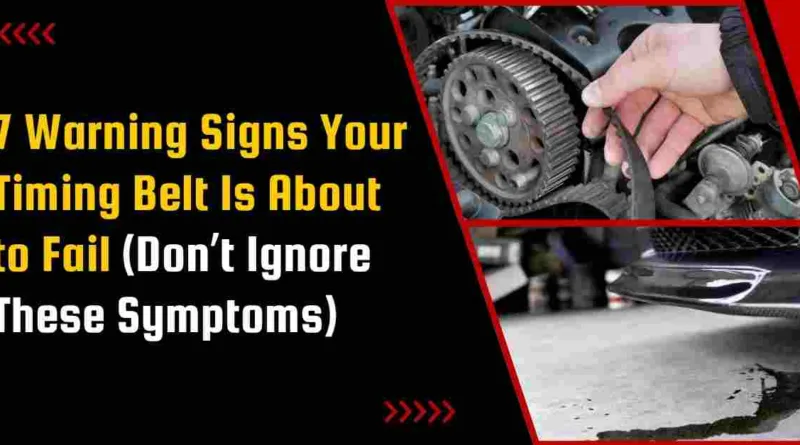
7 Warning Signs Your Timing Belt Is About to Fail (Don’t Ignore These Symptoms)
7 Warning Signs Your Timing Belt Is About to Fail
Your vehicle’s timing belt plays a critical role in keeping the engine running smoothly. Unfortunately, many drivers ignore early symptoms until the belt snaps, leading to severe engine damage and expensive repairs. Understanding the 7 warning signs your timing belt is about to fail can help you avoid breakdowns, protect your engine, and save thousands of dollars in repair costs.
In this guide, you’ll learn how a timing belt works, the most common warning signs of failure, what causes timing belts to wear out, and how to prevent serious engine problems before it’s too late.
What Does a Timing Belt Do?
The timing belt synchronizes the rotation of the crankshaft and camshaft inside your engine. This ensures the engine valves open and close at the correct times during combustion.
If the timing belt fails, the engine’s internal components can collide, causing catastrophic damage. In many modern vehicles, especially interference engines, a broken timing belt can destroy valves, pistons, and even the cylinder head.
Why Timing Belt Failure Is So Dangerous
Unlike some car problems that develop slowly, timing belt failure can happen suddenly. One moment your car is driving normally, and the next moment the engine stops completely.
Common consequences include:
- Engine misfires
- Total engine shutdown
- Bent valves
- Damaged pistons
- Expensive engine rebuilds
This is why recognizing the warning signs early is extremely important.
7 Warning Signs Your Timing Belt Is About to Fail
1. Ticking Noise Coming From the Engine
One of the earliest warning signs is a ticking or clicking noise coming from the front of the engine.
The timing belt contains teeth that grip gears connected to the crankshaft and camshaft. As the belt wears out, tension problems can develop, creating unusual engine noises.
Drivers often mistake this sound for low oil pressure or valve train noise, but it may actually indicate timing belt wear.
Common Symptoms
- Ticking noise at idle
- Noise increases during acceleration
- Intermittent clicking sounds
2. Engine Misfires
If the timing belt slips on the camshaft drive, the engine timing becomes incorrect. Even a small timing change can affect combustion.
This may cause:
- Engine hesitation
- Rough idling
- Loss of power
- Random misfires
In some cases, the engine warning light may also appear on the dashboard.
Misfires caused by timing belt problems should never be ignored because they can quickly worsen.
3. Difficulty Starting the Engine
A worn or damaged timing belt may struggle to maintain proper synchronization inside the engine. As a result, the engine may crank slowly or fail to start completely.
If the timing belt has already lost several teeth, the engine may spin but never ignite.
Signs to Watch For
- Long cranking times
- Engine turns over but will not start
- Intermittent starting problems
Many drivers initially blame the battery or starter motor when the real issue is timing belt wear.
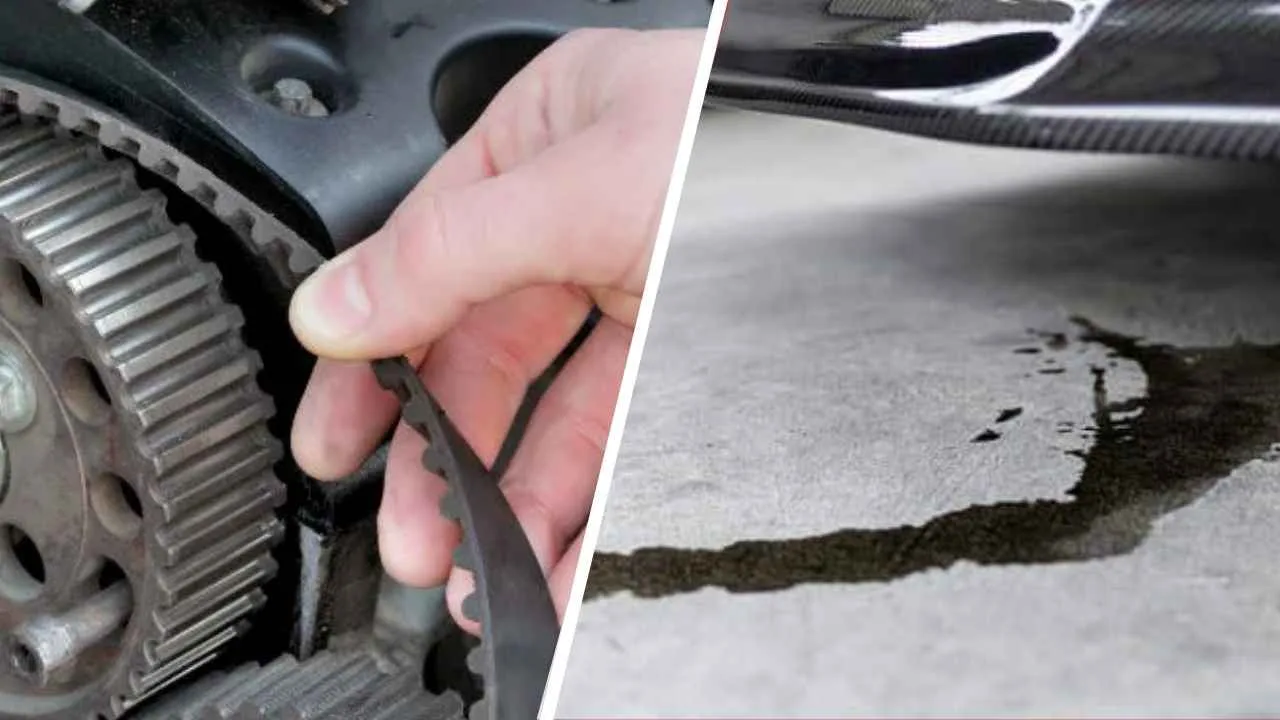
4. Oil Leaks Near the Front of the Engine
Oil leaks around the timing belt cover are another major warning sign.
The timing belt cover protects the belt from dirt, moisture, and debris. Over time, seals and gaskets around this area may fail, allowing oil to leak onto the timing belt.
Oil contamination weakens the rubber material and shortens the life of the belt dramatically.
Why This Is Dangerous
- Oil causes belt deterioration
- The belt may slip unexpectedly
- Heat buildup increases wear
If you notice oil around the timing cover, the issue should be inspected immediately.
5. Engine Vibrations and Rough Idle
A failing timing belt can disrupt valve timing and engine balance. This often leads to excessive vibrations or rough idling.
The vehicle may shake while stopped at traffic lights or feel unstable at low RPMs.
As the timing belt deteriorates further, these vibrations usually become more severe.
Common Driver Complaints
- Vehicle shaking at idle
- Rough engine operation
- Unstable RPM fluctuations
6. High-Pitched Squealing Noise
A loose timing belt or failing tensioner can create a high-pitched squealing noise from the engine bay.
This sound often becomes more noticeable during cold starts or acceleration.
While serpentine belts can also squeal, timing belt noises are especially dangerous because they may indicate imminent failure.
Possible Causes
- Worn timing belt tensioner
- Belt misalignment
- Aging rubber components
7. Visible Wear or Cracks on the Timing Belt
Physical inspection can sometimes reveal obvious signs of damage.
If a mechanic removes the timing cover and notices cracks, fraying, missing teeth, or glazing, the timing belt should be replaced immediately.
Visible Damage Includes
- Cracked rubber
- Frayed edges
- Missing teeth
- Shiny or glazed appearance
Even if the vehicle still drives normally, a visibly damaged timing belt is a major risk.
What Causes Timing Belt Failure?
Normal Wear and Aging
Timing belts naturally wear out over time. Most manufacturers recommend replacement between 60,000 and 100,000 miles.
Oil Contamination
Oil leaks weaken rubber materials and increase belt deterioration.
Faulty Tensioner or Pulley
A worn tensioner can create improper belt tension, causing slippage and premature wear.
Extreme Temperatures
Hot climates and harsh driving conditions accelerate rubber degradation.
Poor Maintenance
Ignoring recommended maintenance intervals significantly increases the risk of sudden timing belt failure.
How to Prevent Timing Belt Failure
1. Follow Manufacturer Replacement Intervals
Always check your owner’s manual for timing belt replacement recommendations.
Replacing the belt early is far cheaper than rebuilding an engine.
2. Replace Related Components
When replacing a timing belt, many mechanics also replace:
- Water pump
- Tensioners
- Idler pulleys
- Camshaft seals
This prevents future failures and saves labor costs later.
3. Inspect for Oil Leaks
Fixing oil leaks quickly helps protect the timing belt from contamination.
4. Listen for Unusual Noises
Early noises often provide valuable warning signs before complete failure occurs.
5. Avoid Cheap Replacement Parts
Low-quality timing belts may fail much earlier than premium OEM-quality components.
Real-World Example
A driver in Texas ignored a ticking noise and occasional engine hesitation for several months. One morning, the vehicle suddenly stalled on the highway.
The timing belt had snapped completely, causing valve damage inside the engine. The final repair bill exceeded $3,500.
Had the timing belt been replaced earlier, the repair would likely have cost under $900.
Common Mistakes Drivers Make
Ignoring Early Symptoms
Many drivers continue driving despite clear warning signs.
Delaying Maintenance
Skipping timing belt replacement intervals is extremely risky.
Replacing Only the Belt
Failing to replace tensioners or water pumps may cause future problems.
Using Low-Quality Parts
Cheap aftermarket parts can reduce reliability and lifespan.
Safety Risks of a Failing Timing Belt
A failed timing belt can create dangerous driving situations, especially at high speeds.
Potential safety risks include:
- Sudden engine shutdown
- Loss of power steering assistance
- Loss of brake assist
- Increased accident risk
If you notice serious warning signs, avoid long trips and schedule an inspection immediately.
Timing Belt Replacement Cost (USA & UK)
The cost varies depending on the vehicle make and engine type.
- Small cars: $400 – $800
- SUVs and luxury vehicles: $900 – $1,500+
- UK average cost: £350 – £900
While timing belt replacement can seem expensive, it is still far cheaper than engine repair after belt failure.
Frequently Asked Questions
1. How often should a timing belt be replaced?
Most manufacturers recommend replacing the timing belt between 60,000 and 100,000 miles, depending on the vehicle.
2. Can a timing belt fail without warning?
Yes. Some timing belts fail suddenly, but many vehicles show warning signs beforehand, such as noises, misfires, or rough idling.
3. Is it safe to drive with a bad timing belt?
No. Driving with a failing timing belt can lead to complete engine failure and dangerous roadside breakdowns.
4. What happens if a timing belt breaks while driving?
The engine may stop instantly. In interference engines, internal engine damage can occur immediately.
5. Does a timing belt affect engine performance?
Yes. A worn or slipping timing belt can cause misfires, rough idling, poor acceleration, and reduced fuel efficiency.
Conclusion
Recognizing the 7 warning signs your timing belt is about to fail can save you from expensive repairs, major engine damage, and dangerous breakdowns.
If you notice ticking noises, engine misfires, rough idling, oil leaks, or difficulty starting your vehicle, don’t ignore the problem. Early diagnosis and maintenance can extend engine life and improve reliability.
Replacing a timing belt at the recommended interval is one of the smartest investments you can make for long-term vehicle health and safety.


