Power Steering Fluid Leak: Causes, Symptoms, Fixes & Prevention Guide
Power Steering Fluid Leak: Causes, Symptoms, Fixes, and Prevention Guide
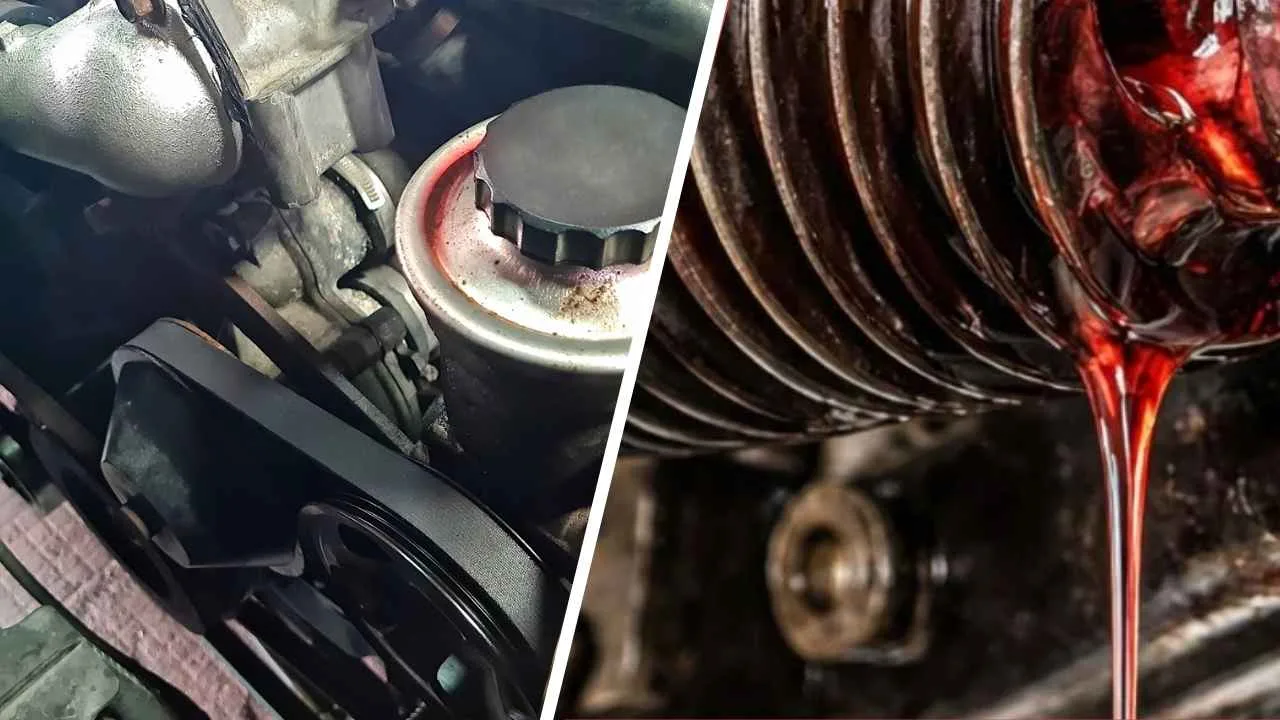
Introduction
A Power Steering Fluid Leak is one of the most common issues that can affect your vehicle’s steering system. If you notice reddish or brown fluid under your car, hear whining noises when turning the steering wheel, or feel the steering becoming stiff, there’s a good chance a power steering fluid leak may be the culprit.
Power steering fluid plays a critical role in helping drivers turn the steering wheel smoothly and safely. When a leak occurs, it reduces hydraulic pressure in the system, making steering more difficult and potentially damaging important components like the steering pump or rack.
In this comprehensive guide, you’ll learn what causes a Power Steering Fluid Leak, how to recognize the warning signs, and what steps you can take to fix and prevent this issue before it leads to expensive repairs.
What Is Power Steering Fluid and Why It Matters
Power steering fluid is a specialized hydraulic fluid used in vehicles with hydraulic power steering systems. Its main function is to transfer pressure from the steering pump to the steering rack or gearbox, allowing the wheels to turn with minimal effort from the driver.
Without this fluid, steering would require much more force, especially when driving at low speeds or parking.
Main Functions of Power Steering Fluid
- Provides hydraulic pressure to assist steering
- Lubricates internal steering components
- Reduces friction and wear
- Helps cool the power steering system
Because this fluid operates under pressure, even a small leak can significantly affect the performance of the entire steering system.
Common Causes of a Power Steering Fluid Leak
Understanding the causes of a Power Steering Fluid Leak can help you diagnose the problem quickly and prevent further damage.
1. Worn or Cracked Hoses
Power steering systems use high-pressure hoses to circulate fluid between the pump, reservoir, and steering rack. Over time, heat and age can cause these hoses to crack or weaken, allowing fluid to escape.
2. Damaged Power Steering Pump
The power steering pump generates the hydraulic pressure needed to assist steering. If the pump seal wears out or becomes damaged, fluid may begin leaking around the pump housing.
3. Faulty Steering Rack or Gearbox
In some cases, leaks originate from the steering rack itself. Worn internal seals can allow fluid to leak out near the wheel area or underneath the vehicle.
4. Loose or Damaged Fittings
Connections between hoses and components can become loose over time due to vibration and temperature changes. Even a slightly loose fitting can lead to a noticeable leak.
5. Reservoir Cracks or Damage
The power steering fluid reservoir stores the hydraulic fluid before it circulates through the system. Plastic reservoirs may develop cracks due to aging or engine heat.
Symptoms of a Power Steering Fluid Leak
Recognizing the warning signs of a Power Steering Fluid Leak early can prevent serious steering system damage.
1. Difficulty Turning the Steering Wheel
When fluid levels drop, the hydraulic pressure decreases. This makes the steering wheel feel stiff, especially during parking or low-speed turns.
2. Whining or Groaning Noise
A low fluid level can cause the power steering pump to make whining or groaning sounds when turning the wheel.
3. Fluid Puddles Under the Car
Power steering fluid typically appears red, pink, or light brown. If you notice these colored spots under the front of your vehicle, it may indicate a leak.
4. Burning Smell
Leaking fluid can drip onto hot engine components, producing a burning odor while driving.
5. Low Fluid Level in the Reservoir
If the fluid level drops quickly after topping it up, there is likely a leak somewhere in the system.
Step-by-Step Guide to Fixing a Power Steering Fluid Leak
Fixing a Power Steering Fluid Leak requires identifying the exact source of the leak before attempting repairs.
Step 1: Inspect the Power Steering Reservoir
Start by checking the reservoir for visible cracks or damage. Also ensure the cap is properly tightened.
Step 2: Examine Hoses and Connections
Look for wet or oily areas around hoses and fittings. These areas often indicate fluid leakage.
Step 3: Check the Power Steering Pump
Inspect the pump housing and pulley area for signs of fluid buildup.
Step 4: Inspect the Steering Rack
Leaks near the wheels or steering rack boots may indicate internal seal failure.
Step 5: Replace Damaged Components
Once the source is identified, repair usually involves replacing the faulty part such as:
- Power steering hoses
- Reservoir
- Pump seals
- Steering rack components
Real-World Example of a Power Steering Fluid Leak
Consider a driver who notices a small red puddle forming under the front of their vehicle after parking overnight. Initially, the steering still feels normal, so the issue is ignored.
After a few weeks, the steering becomes stiff and a whining noise appears when turning the wheel. A mechanic later discovers a cracked high-pressure hose that has slowly leaked fluid. What started as a minor repair eventually required replacing the power steering pump due to prolonged low fluid levels.
This example shows how early detection can save hundreds of dollars in repairs.
Common Mistakes to Avoid
Many drivers unknowingly make mistakes that worsen a Power Steering Fluid Leak.
- Ignoring small fluid leaks
- Using the wrong type of power steering fluid
- Continuing to drive with low fluid levels
- Overfilling the power steering reservoir
- Attempting temporary fixes without identifying the real problem
Avoiding these mistakes can help protect your steering system and extend its lifespan.
Safety Risks of Driving with a Power Steering Fluid Leak
Driving with a power steering fluid leak may seem manageable at first, but it can quickly become dangerous.
Potential Risks
- Sudden loss of steering assistance
- Difficulty controlling the vehicle during emergency maneuvers
- Damage to the power steering pump
- Fire risk if fluid contacts hot engine parts
If you suspect a leak, it’s best to inspect and repair it as soon as possible.
Prevention and Long-Term Maintenance
Regular maintenance can significantly reduce the risk of developing a Power Steering Fluid Leak.
Preventive Maintenance Tips
- Check power steering fluid levels regularly
- Inspect hoses and connections during routine maintenance
- Replace worn hoses before they fail
- Use manufacturer-recommended fluid
- Flush and replace power steering fluid at recommended intervals
These simple steps can help maintain proper hydraulic pressure and extend the life of your steering components.
Conclusion
A Power Steering Fluid Leak may start as a small issue, but it can quickly lead to serious steering problems if ignored. By understanding the common causes, recognizing early symptoms, and addressing leaks promptly, drivers can prevent expensive repairs and maintain safe vehicle operation.
Regular inspections, proper fluid maintenance, and quick action when warning signs appear are the best ways to protect your vehicle’s steering system. Taking care of minor leaks today can save you significant time and money in the future.
Frequently Asked Questions
1. What causes a power steering fluid leak?
Common causes include worn hoses, damaged pump seals, cracked reservoirs, loose fittings, and faulty steering rack components.
2. Can I drive with a power steering fluid leak?
Driving with a leak is not recommended because it can damage the power steering pump and make steering difficult or unsafe.
3. What color is power steering fluid?
Power steering fluid is usually red, pink, or light brown, depending on the type and age of the fluid.
4. How much does it cost to fix a power steering fluid leak?
Repair costs vary depending on the source of the leak, ranging from replacing a hose to repairing the power steering pump or steering rack.
5. How can I prevent power steering fluid leaks?
Regularly checking fluid levels, inspecting hoses, and performing routine maintenance can help prevent leaks and extend the life of your steering system.