Hydraulic Operated Disc Brake System Components Explained – Parts, Functions & Maintenance Guide
Hydraulic Operated Disc Brake System Components: Complete Guide for Modern Vehicles
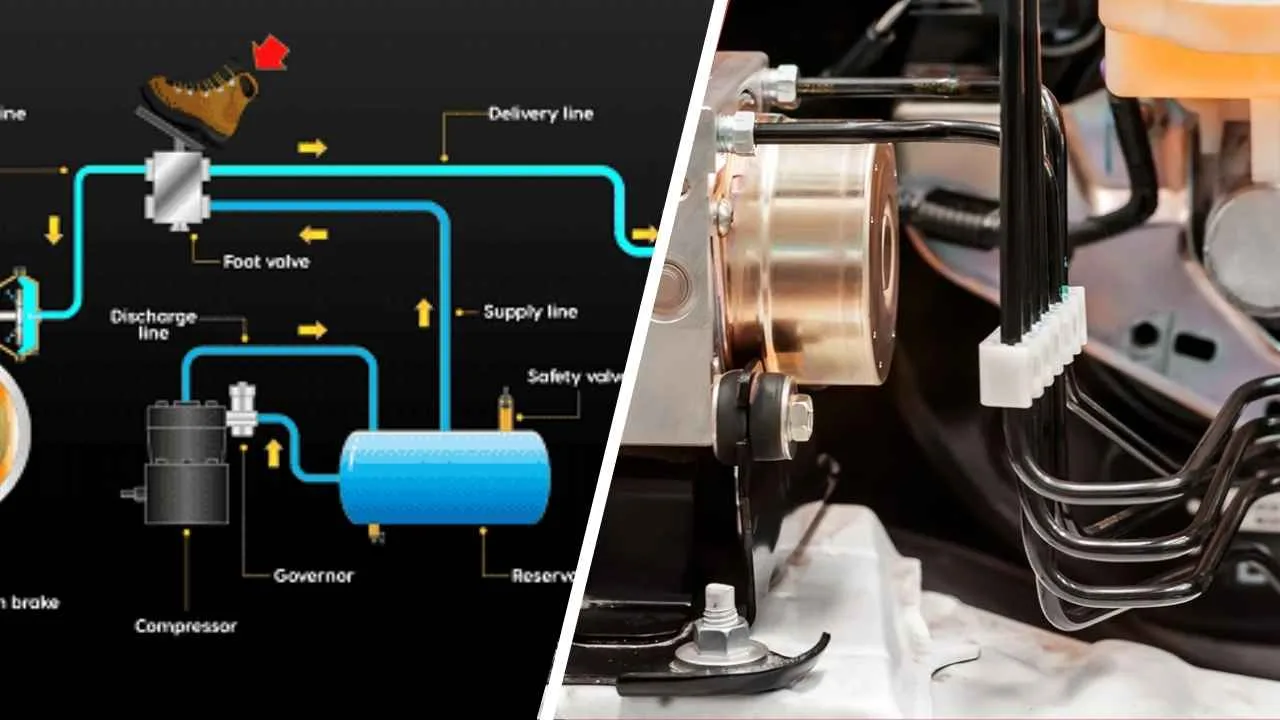
Hydraulic operated disc brake system components play a critical role in vehicle safety, performance, and driving confidence. Whether you drive daily on busy city roads or cruise long highways in the USA or UK, your braking system works silently in the background every time you press the brake pedal. Understanding how these components function together helps drivers identify problems early, maintain their vehicles better, and avoid costly or dangerous failures.
This guide explains the hydraulic operated disc brake system in clear, practical language. We’ll break down each component, explain how they work together, highlight common issues, and share real-world maintenance tips that every vehicle owner should know.
What Is a Hydraulic Operated Disc Brake System?
A hydraulic operated disc brake system uses brake fluid pressure to transmit force from the brake pedal to the wheels. When you press the pedal, hydraulic pressure multiplies your effort and forces brake pads against a rotating disc (rotor), slowing or stopping the vehicle.
This system is widely used in modern cars, SUVs, vans, and light trucks because it offers:
- Strong and consistent braking power
- Better heat dissipation than drum brakes
- Improved stopping performance in wet conditions
- Reliable operation at high speeds
Why Hydraulic Disc Brakes Are Used in Modern Vehicles
Earlier vehicles relied heavily on mechanical or drum brake systems. As vehicle speeds increased and traffic conditions became more demanding, manufacturers shifted toward hydraulic operated disc brakes.
The main reasons include:
- Superior braking efficiency
- More precise pedal control
- Reduced brake fade during heavy use
- Easier inspection and servicing
Main Hydraulic Operated Disc Brake System Components
The effectiveness of a hydraulic operated disc brake system depends on several interconnected components. Each part must work correctly for safe braking.
1. Brake Pedal
The brake pedal is the driver’s direct interface with the braking system. When pressed, it transfers mechanical force into the hydraulic system.
Key points:
- Designed for leverage and comfort
- Connected to the brake booster and master cylinder
- Pedal feel can indicate system health
2. Brake Booster (Servo Unit)
The brake booster multiplies the force applied by the driver. Most modern vehicles use a vacuum-assisted booster.
Functions include:
- Reducing pedal effort
- Providing smoother braking response
- Improving driver control in emergency stops
3. Master Cylinder
The master cylinder is the heart of the hydraulic operated disc brake system. It converts mechanical pedal force into hydraulic pressure.
Main features:
- Contains pistons and seals
- Supplies pressurized brake fluid to circuits
- Often divided into dual circuits for safety
4. Brake Fluid Reservoir
The brake fluid reservoir stores hydraulic fluid and supplies it to the master cylinder as needed.
Important characteristics:
- Transparent design for easy level checks
- Must remain clean and sealed
- Low fluid level often signals leaks or pad wear
5. Brake Fluid
Brake fluid transmits pressure through the system. It must withstand high temperatures without compressing.
Common types include:
- DOT 3
- DOT 4
- DOT 5.1
Using the correct type is essential for system performance and seal protection.
6. Brake Lines and Hoses
Brake lines and flexible hoses carry pressurized fluid from the master cylinder to each wheel.
Key roles:
- Maintain pressure integrity
- Allow wheel movement without fluid loss
- Withstand corrosion and road debris
7. Brake Caliper
The brake caliper houses the pistons that push brake pads against the rotor. It is a critical component in disc brake systems.
Types of calipers:
- Fixed calipers
- Floating (sliding) calipers
Calipers must move freely to ensure even pad wear.
8. Brake Pads
Brake pads create friction when pressed against the rotor. They are designed to wear out before other components.
Common pad materials:
- Organic
- Semi-metallic
- Ceramic
9. Brake Disc (Rotor)
The rotor is a flat metal disc attached to the wheel hub. As the pads clamp down, friction slows the wheel.
Rotor designs include:
- Solid rotors
- Vented rotors
- Drilled or slotted rotors
How the Hydraulic Disc Brake System Works Step by Step
- Driver presses the brake pedal
- Brake booster amplifies the force
- Master cylinder builds hydraulic pressure
- Brake fluid travels through lines
- Caliper pistons push brake pads
- Pads clamp the rotor, slowing the wheel
Common Causes of Hydraulic Disc Brake Problems
- Brake fluid contamination
- Air trapped in brake lines
- Worn brake pads or rotors
- Leaking brake hoses or seals
- Sticking caliper pistons
Symptoms of Faulty Hydraulic Operated Disc Brake System Components
- Spongy or soft brake pedal
- Vehicle pulling to one side while braking
- Grinding or squealing noises
- Brake warning light illuminated
- Reduced stopping power
Step-by-Step Maintenance and Best Practices
- Check brake fluid level monthly
- Inspect pads and rotors regularly
- Flush brake fluid as recommended
- Listen for unusual noises
- Address leaks immediately
Real-World Tips for Drivers
- Avoid resting your foot on the brake pedal
- Downshift when driving downhill
- Use quality replacement components
- Have brakes inspected during tire rotations
Common Mistakes to Avoid
- Ignoring brake warning lights
- Mixing different brake fluid types
- Driving with worn pads too long
- Skipping professional inspections
Safety Tips and Important Warnings
Brake systems are safety-critical. Always:
- Use manufacturer-approved parts
- Seek professional help for hydraulic issues
- Avoid driving if braking performance feels unsafe
Prevention and Long-Term Maintenance Advice
Consistent maintenance extends the life of hydraulic operated disc brake system components. Regular inspections, fluid changes, and prompt repairs prevent major failures and ensure reliable braking.
Conclusion: Key Takeaways for Vehicle Owners
Understanding hydraulic operated disc brake system components empowers drivers to recognize problems early and maintain safe braking performance. Each component—from the brake pedal to the rotor—plays a vital role. Regular maintenance, quality parts, and safe driving habits ensure your braking system remains dependable for years to come.
Frequently Asked Questions
1. What are the main hydraulic operated disc brake system components?
The main components include the brake pedal, booster, master cylinder, brake fluid, lines, calipers, pads, and rotors.
2. How often should brake fluid be replaced?
Most manufacturers recommend replacing brake fluid every 2 to 3 years or according to the service schedule.
3. Why does my brake pedal feel spongy?
A spongy pedal usually indicates air in the brake lines or contaminated brake fluid.
4. Can I drive with worn brake pads?
Driving with worn pads is unsafe and can damage rotors, increasing repair costs and stopping distance.
5. Are hydraulic disc brakes better than drum brakes?
Yes, hydraulic disc brakes provide better stopping power, heat dissipation, and performance in most driving conditions.