Why Your Car Uses Too Much Fuel (Top Reasons Your Gas Mileage Is Getting Worse)
Why Your Car Uses Too Much Fuel: Common Causes, Warning Signs, and Proven Ways to Improve Fuel Efficiency
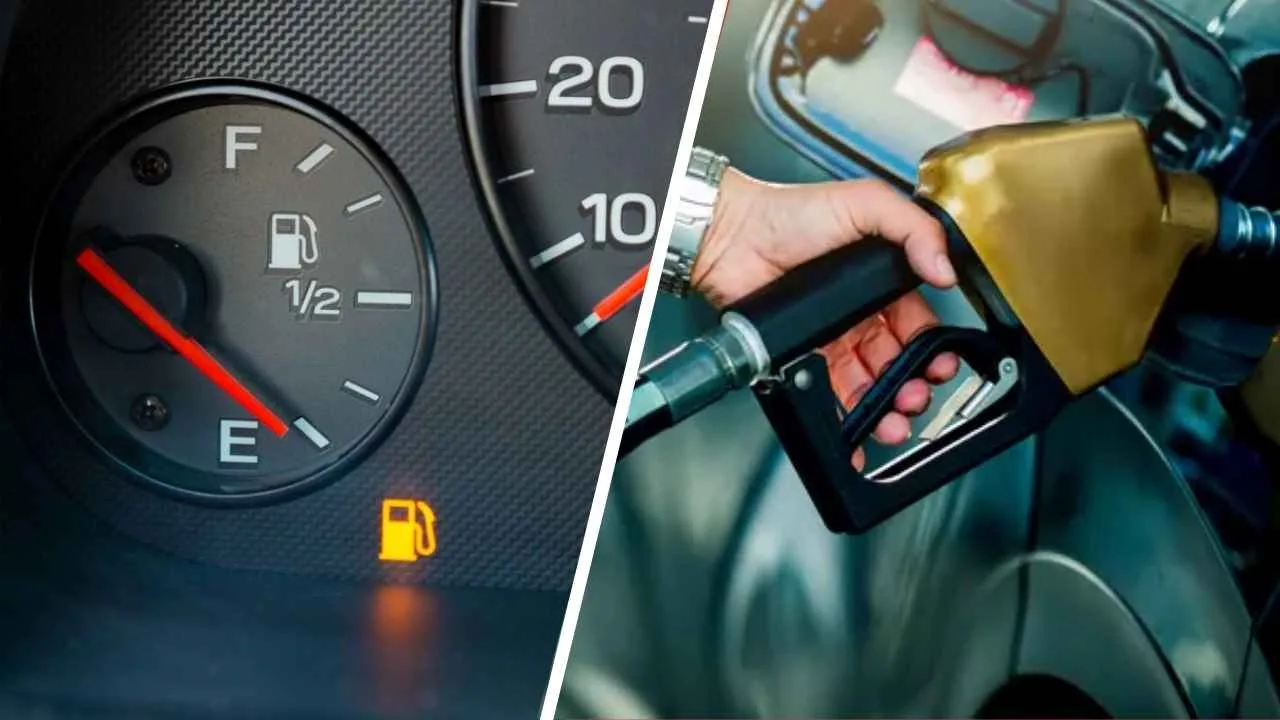
If you’ve recently noticed that your vehicle is burning through fuel faster than usual, you’re probably wondering Why Your Car Uses Too Much Fuel. Rising fuel costs in the United States and the United Kingdom have made fuel efficiency more important than ever. When a car suddenly starts consuming more gasoline or diesel, it often signals an underlying issue that needs attention.
Understanding Why Your Car Uses Too Much Fuel can help you identify mechanical problems early, improve fuel economy, and save money at the pump. From worn engine components to poor driving habits, several factors can contribute to excessive fuel consumption.
This guide explains the most common reasons cars use too much fuel, the warning signs to watch for, and practical steps you can take to restore your vehicle’s efficiency.
Understanding Fuel Consumption in Modern Cars
Fuel consumption refers to how much fuel your vehicle uses to travel a specific distance. Most cars are designed to deliver a certain number of miles per gallon (MPG) in the United States or miles per litre in other regions.
However, real-world fuel economy can vary depending on:
- Driving habits
- Vehicle condition
- Traffic conditions
- Weather and road conditions
- Maintenance history
If your car begins using noticeably more fuel than normal, it’s important to investigate the cause.
Why Your Car Uses Too Much Fuel
Several mechanical and behavioral factors can lead to increased fuel consumption. Some issues are minor, while others may indicate serious mechanical problems.
1. Dirty or Clogged Air Filter
The air filter ensures that clean air enters the engine for proper combustion. When it becomes clogged with dust and debris, airflow is restricted.
This forces the engine to burn more fuel to maintain performance.
Symptoms include:
- Reduced acceleration
- Poor fuel economy
- Rough engine operation
2. Worn Spark Plugs
Spark plugs ignite the fuel-air mixture inside the engine cylinders. When they become worn or dirty, combustion becomes less efficient.
This can cause:
- Engine misfires
- Higher fuel consumption
- Reduced engine power
Replacing worn spark plugs often restores proper fuel efficiency.
3. Low Tire Pressure
Underinflated tires increase rolling resistance, meaning the engine must work harder to move the vehicle.
This extra effort leads to higher fuel consumption.
Even slightly low tire pressure can reduce fuel efficiency by several percent.
4. Faulty Oxygen Sensor
The oxygen sensor monitors the amount of oxygen in the exhaust gases and helps regulate the fuel-air mixture.
If the sensor fails, the engine may inject too much fuel, causing poor fuel economy.
A faulty oxygen sensor is one of the most common reasons vehicles use more fuel than normal.
5. Driving Habits
Driving style has a major impact on fuel consumption. Aggressive driving can dramatically reduce fuel efficiency.
Fuel-wasting habits include:
- Rapid acceleration
- Hard braking
- Driving at high speeds
- Frequent stop-and-go driving
Smooth driving can significantly improve fuel economy.
6. Excessive Idling
Leaving your car running while parked wastes fuel unnecessarily. Modern engines are designed to restart easily, so turning off the engine during long stops can save fuel.
7. Faulty Fuel Injectors
Fuel injectors deliver fuel into the engine cylinders in precise amounts. If they become clogged or damaged, they may spray too much fuel.
This leads to inefficient combustion and increased fuel consumption.
8. Engine Sensor Problems
Modern vehicles rely on multiple sensors to regulate fuel delivery. If one of these sensors fails, the engine control unit may compensate by adding extra fuel.
Common sensors affecting fuel economy include:
- Mass airflow sensor
- Oxygen sensor
- Coolant temperature sensor
9. Carrying Excess Weight
Extra weight forces the engine to work harder. Carrying heavy cargo in the trunk or roof racks increases fuel consumption, especially during city driving.
10. Poor Engine Maintenance
Skipping routine maintenance can lead to several problems that reduce fuel efficiency.
Common maintenance issues include:
- Old engine oil
- Clogged fuel filters
- Dirty air intake systems
Warning Signs Your Car Is Using Too Much Fuel
You may notice several indicators when fuel consumption increases unexpectedly.
- Frequent trips to the gas station
- Sudden drop in fuel economy
- Engine running rough
- Strong fuel smell
- Check engine light turning on
If these symptoms appear, it may be time to inspect your vehicle.
Step-by-Step Solutions to Improve Fuel Efficiency
If you are trying to solve the issue of Why Your Car Uses Too Much Fuel, the following steps can help restore fuel efficiency.
1. Replace the Air Filter
A clean air filter improves airflow and combustion efficiency.
2. Maintain Proper Tire Pressure
Check tire pressure at least once a month and keep it at the manufacturer’s recommended level.
3. Replace Spark Plugs When Needed
Worn spark plugs reduce engine performance and increase fuel consumption.
4. Drive Smoothly
Gentle acceleration and steady speeds help maximize fuel efficiency.
5. Reduce Unnecessary Weight
Remove heavy items from the trunk and roof racks when they are not needed.
6. Schedule Regular Maintenance
Routine maintenance ensures the engine operates efficiently.
Real-World Example
Imagine a driver who normally gets 30 miles per gallon from their sedan. Over time, they notice the fuel economy dropping to 22 miles per gallon.
After inspecting the vehicle, a mechanic discovers a clogged air filter and worn spark plugs. Once these components are replaced, the car’s fuel efficiency returns to normal.
Common Mistakes Drivers Make
Many drivers unknowingly increase fuel consumption through simple mistakes.
- Ignoring warning lights
- Skipping routine maintenance
- Driving aggressively
- Using the wrong engine oil
- Driving with underinflated tires
Safety Tips Related to Fuel Consumption
While fuel efficiency mainly affects cost, some issues can also impact safety.
- Engine misfires can damage engine components
- Fuel leaks can create fire hazards
- Overheating engines may fail suddenly
If your car shows unusual fuel consumption along with performance problems, it is best to have it inspected by a professional.
Preventing High Fuel Consumption
Maintaining good driving habits and following proper vehicle care can prevent excessive fuel use.
- Follow the manufacturer’s maintenance schedule
- Use high-quality fuel
- Keep tires properly inflated
- Drive at steady speeds
- Avoid unnecessary idling
These habits help ensure consistent fuel efficiency and extend engine life.
Conclusion
Understanding Why Your Car Uses Too Much Fuel is essential for maintaining vehicle performance and saving money. Excess fuel consumption often results from mechanical issues, poor maintenance, or inefficient driving habits.
By addressing these factors early, you can improve fuel economy, reduce fuel costs, and keep your car running smoothly for years to come.
Frequently Asked Questions
1. Why is my car suddenly using more fuel?
Sudden increases in fuel consumption may be caused by dirty air filters, worn spark plugs, low tire pressure, or sensor problems.
2. Can driving habits affect fuel consumption?
Yes. Aggressive acceleration, speeding, and frequent braking can significantly increase fuel usage.
3. Does low tire pressure increase fuel consumption?
Yes. Underinflated tires increase rolling resistance, forcing the engine to use more fuel.
4. How can I improve my car’s fuel efficiency?
Regular maintenance, smooth driving, proper tire pressure, and reducing vehicle weight can improve fuel efficiency.
5. When should I see a mechanic for high fuel consumption?
If fuel usage increases suddenly or the check engine light appears, it’s best to have the vehicle inspected by a qualified mechanic.