Understand How Ignition Coil Works: Complete Guide for Car Owners
Understand How Ignition Coil Works: Complete Guide for Car Owners
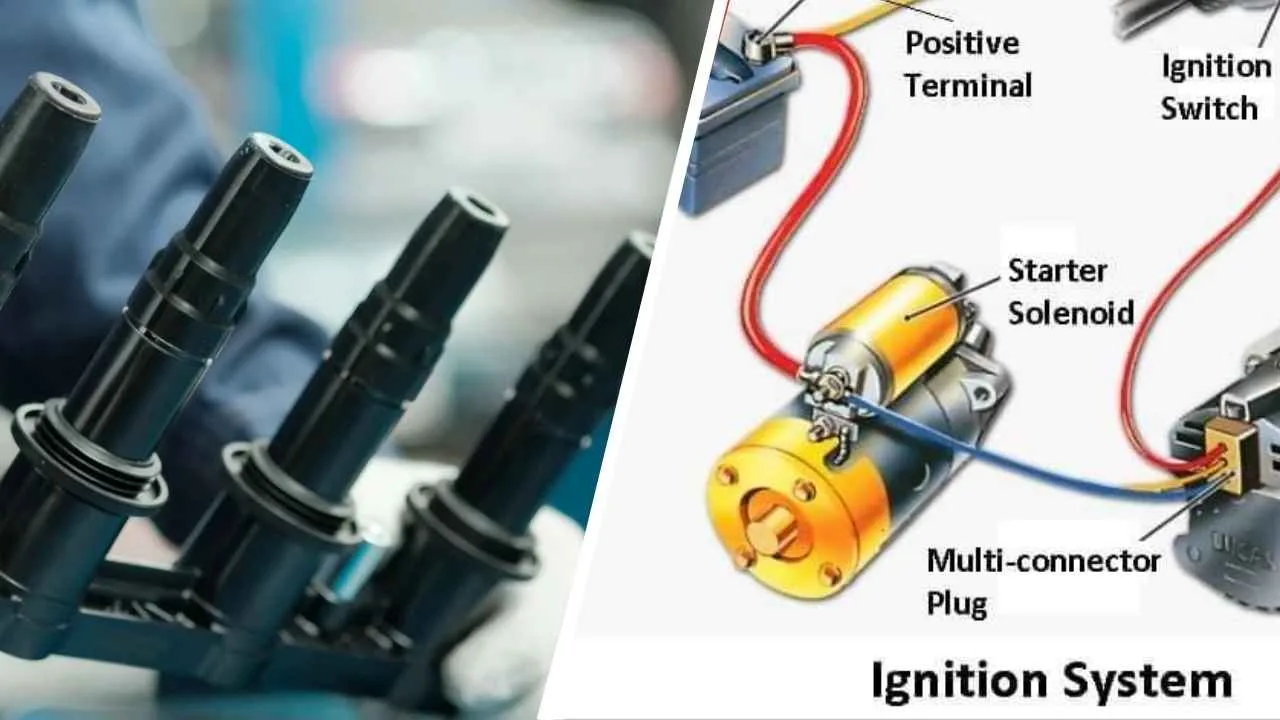
If you want to understand how ignition coil works, you’re already taking a smart step toward understanding your car’s engine. The ignition coil is a small but powerful component that plays a critical role in starting and running your vehicle. Without it, your engine simply would not fire properly.
Modern cars in the United States and the United Kingdom rely heavily on efficient ignition systems. The ignition coil transforms low battery voltage into the high voltage needed to ignite the air-fuel mixture inside the engine cylinders. When this process works smoothly, your car runs efficiently, accelerates properly, and saves fuel.
However, when ignition coils begin to fail, drivers may notice rough running, misfires, poor fuel economy, or even a car that refuses to start. In this guide, we’ll break everything down in simple terms so you can clearly understand how ignition coil works, why it fails, how to diagnose issues, and how to prevent costly engine problems.
What Is an Ignition Coil?
An ignition coil is essentially a compact electrical transformer found in gasoline engines. Its job is to convert the 12 volts from your car battery into thousands of volts needed to create a spark in the spark plugs.
This spark ignites the air-fuel mixture inside the engine cylinder, producing the combustion that powers your car.
Without the ignition coil, the spark plugs would not receive enough voltage to ignite the fuel, and the engine would not run.
Understand How Ignition Coil Works in Simple Terms
To truly understand how ignition coil works, it helps to think of it as a voltage amplifier.
The system works in several stages:
1. Power Comes from the Battery
Your vehicle’s battery supplies low voltage electricity (around 12 volts). This power travels to the ignition coil.
2. Magnetic Field Builds Inside the Coil
The ignition coil contains two sets of wire windings:
- Primary winding
- Secondary winding
When current flows through the primary winding, it creates a magnetic field.
3. The Field Collapses
When the current suddenly stops, the magnetic field collapses rapidly.
4. High Voltage Is Generated
This collapsing field induces a high voltage in the secondary winding. The voltage can reach between 20,000 and 40,000 volts.
5. Spark Plug Fires
This high voltage travels to the spark plug, creating a spark that ignites the air-fuel mixture.
This process happens thousands of times per minute while your engine is running.
Types of Ignition Coils Used in Modern Cars
Automotive technology has evolved significantly over the years. Different vehicles use different ignition coil designs.
1. Conventional Ignition Coil
Older vehicles used a single ignition coil connected to all cylinders through a distributor.
2. Distributorless Ignition System (DIS)
These systems use multiple coils instead of one.
3. Coil-on-Plug (COP)
Most modern vehicles now use coil-on-plug systems, where each cylinder has its own ignition coil mounted directly on the spark plug.
This design improves efficiency, accuracy, and engine performance.
Why Ignition Coils Are Important
Ignition coils directly affect how well your engine runs. A strong spark ensures efficient combustion.
Key benefits include:
- Reliable engine starting
- Improved fuel efficiency
- Smoother engine operation
- Better acceleration
- Reduced emissions
If an ignition coil fails, engine performance can drop significantly.
Common Causes of Ignition Coil Failure
Ignition coils are durable but not indestructible. Several factors can lead to failure.
Heat and Vibration
Engines generate intense heat. Over time, this heat damages internal coil insulation.
Worn Spark Plugs
Bad spark plugs force the ignition coil to work harder, shortening its lifespan.
Oil Leaks
Oil leaking into spark plug wells can damage ignition coils.
Moisture Exposure
Water intrusion can disrupt electrical performance.
Electrical Overload
Faulty wiring or voltage spikes may burn out a coil.
Symptoms of a Bad Ignition Coil
If you understand how ignition coil works, spotting problems becomes easier.
Common warning signs include:
- Engine misfires
- Rough idling
- Poor acceleration
- Check engine light
- Difficulty starting
- Reduced fuel economy
- Backfiring
Ignoring these symptoms can lead to catalytic converter damage and expensive repairs.
Step-by-Step Diagnosis of Ignition Coil Problems
Step 1: Scan for Trouble Codes
Use an OBD2 scanner to check for misfire codes such as P0300–P0308.
Step 2: Inspect Spark Plugs
Remove the spark plugs and check for wear or carbon buildup.
Step 3: Swap Coils Between Cylinders
If the misfire moves, the ignition coil is likely the issue.
Step 4: Check Wiring and Connectors
Loose or corroded connectors can interrupt voltage flow.
Step 5: Use a Multimeter
Testing resistance in the coil can reveal internal failure.
Real-World Example
A driver in Texas noticed their SUV shaking during acceleration. The check engine light appeared, and fuel economy dropped significantly.
After running a diagnostic scan, a cylinder misfire code appeared. Swapping the ignition coil revealed that the coil had failed. Replacing it restored smooth performance instantly.
This type of issue is extremely common in modern vehicles.
Common Mistakes Drivers Make
- Ignoring early misfire symptoms
- Replacing spark plugs without checking coils
- Using cheap aftermarket ignition parts
- Driving long distances with a misfiring engine
- Skipping regular maintenance
Small mistakes can turn into major engine damage.
Safety Tips and Warnings
- Ignition coils produce extremely high voltage.
- Never touch ignition components while the engine is running.
- Disconnect the battery before working on ignition parts.
- Use insulated tools when performing diagnostics.
Electrical shocks from ignition systems can be dangerous.
How to Prevent Ignition Coil Failure
Preventive maintenance is the best way to keep ignition systems healthy.
- Replace spark plugs at recommended intervals
- Fix oil leaks immediately
- Keep engine components clean
- Use quality replacement parts
- Address warning lights early
Proper maintenance can help ignition coils last well over 100,000 miles.
The Future of Ignition Systems
Automotive technology continues evolving. Newer engines are becoming more efficient and rely on advanced ignition systems.
Some manufacturers are developing smarter ignition modules that monitor performance in real time.
These improvements aim to boost fuel efficiency, reduce emissions, and enhance reliability.
Conclusion
Once you understand how ignition coil works, diagnosing engine problems becomes much easier. This small component plays a massive role in your vehicle’s performance.
By recognizing early symptoms, maintaining your ignition system, and replacing worn parts on time, you can prevent serious engine trouble and expensive repairs.
A healthy ignition system ensures smoother driving, better fuel economy, and reliable performance for years to come.
Frequently Asked Questions
1. What does an ignition coil do?
An ignition coil converts low battery voltage into the high voltage needed to create a spark in the spark plugs.
2. How long do ignition coils last?
Most ignition coils last between 80,000 and 120,000 miles depending on driving conditions and maintenance.
3. Can a bad ignition coil damage the engine?
Yes. Continued misfires can damage the catalytic converter and reduce engine efficiency.
4. Is it safe to drive with a faulty ignition coil?
Short trips may be possible, but driving for long periods can cause further engine damage.
5. How much does it cost to replace an ignition coil?
Replacement costs typically range from $100 to $400 depending on the vehicle and labor costs.