BYD Blade Battery Technology Explained: Safety, Lifespan & EV Performance Guide
BYD Blade Battery Technology Explained: How It Works, Benefits, and Why It Matters
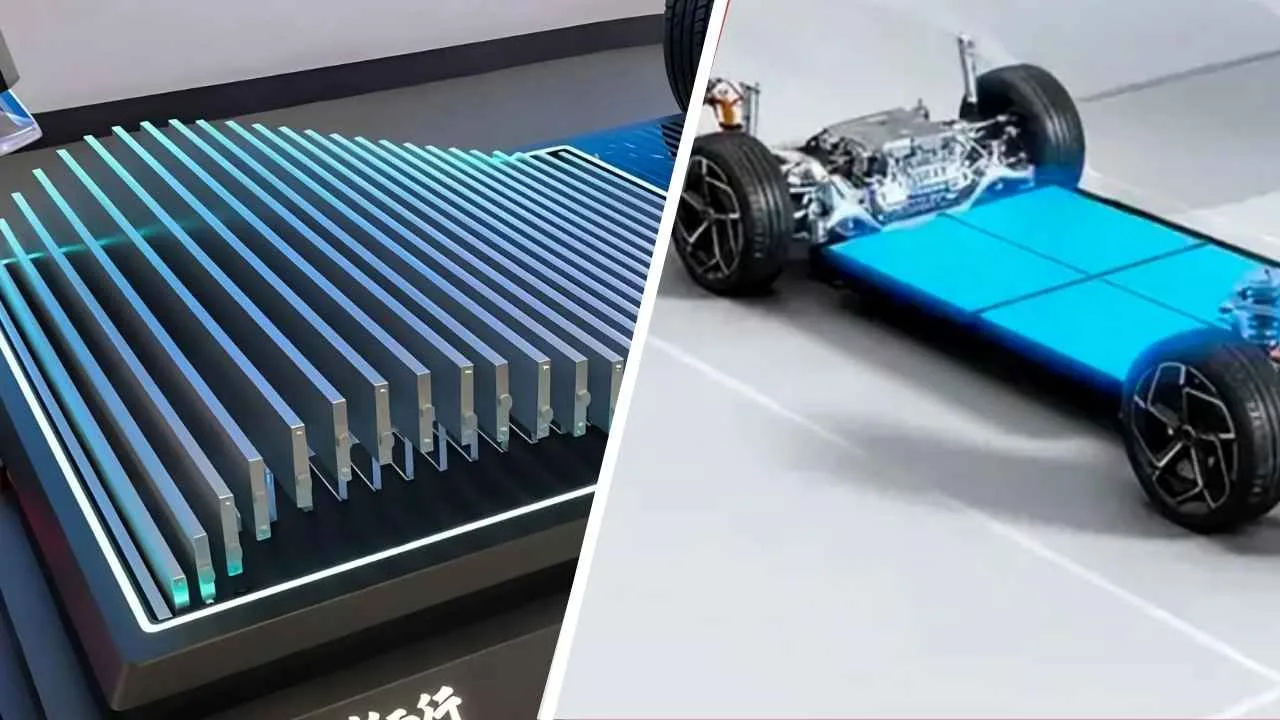
Electric vehicles are evolving rapidly, and one innovation that’s gaining global attention is BYD Blade Battery Technology Explained. If you’re researching EVs or considering buying one, understanding this battery technology can help you make a smarter decision.
Unlike traditional lithium-ion batteries, BYD’s Blade Battery focuses on safety, durability, and efficiency. In this guide, we’ll break down how it works, why it’s different, and whether it’s truly better than other EV battery technologies used today.
What Is BYD Blade Battery Technology?
The Blade Battery is a type of lithium iron phosphate (LFP) battery developed by BYD. It gets its name from its long, thin, blade-like structure, which allows cells to be arranged more efficiently inside the battery pack.
- Battery Type: Lithium Iron Phosphate (LFP)
- Design: Long, flat blade-shaped cells
- Main Focus: Safety, lifespan, and thermal stability
This innovative design helps improve space utilization while reducing the risk of overheating and fire.
How BYD Blade Battery Technology Works
To understand BYD Blade Battery Technology Explained, you need to look at its structure and chemistry.
1. Cell Design
The blade-shaped cells are arranged directly into the battery pack without traditional modules. This improves energy density and reduces wasted space.
2. LFP Chemistry
LFP batteries use iron and phosphate instead of cobalt. This makes them more stable and environmentally friendly.
3. Heat Management
The Blade Battery is designed to dissipate heat efficiently, reducing the risk of thermal runaway.
4. Structural Integration
The battery pack also contributes to the vehicle’s structural strength, improving safety during collisions.
Why Was the Blade Battery Developed?
Traditional EV batteries have faced criticism for safety concerns and high costs. BYD developed the Blade Battery to solve these issues:
- Reduce fire risks in EV accidents
- Lower production costs by eliminating expensive materials like cobalt
- Increase battery lifespan for long-term use
- Improve packaging efficiency for better range
Key Benefits of BYD Blade Battery Technology
1. Exceptional Safety
The Blade Battery has passed rigorous safety tests, including nail penetration tests, which simulate internal short circuits.
- Lower risk of fire
- Minimal heat generation
- Stable performance under stress
2. Long Lifespan
LFP batteries typically last longer than traditional lithium-ion batteries.
- Can handle more charge cycles
- Reduced degradation over time
3. Cost Efficiency
By avoiding cobalt, BYD reduces manufacturing costs, making EVs more affordable.
4. Improved Space Utilization
The blade design allows more cells to fit into the same space, improving overall efficiency.
5. Environmental Advantages
- Lower reliance on rare materials
- More sustainable production process
Performance and Real-World Usage
In real-world conditions, Blade Batteries deliver consistent performance:
- Stable range in daily driving
- Reliable charging performance
- Better tolerance to temperature changes
While LFP batteries may have slightly lower energy density compared to some lithium-ion alternatives, the trade-off is improved safety and longevity.
Comparison: Blade Battery vs Traditional Lithium-Ion
| Feature | Blade Battery (LFP) | Traditional Lithium-Ion |
|---|---|---|
| Safety | Very High | Moderate |
| Lifespan | Long | Medium |
| Cost | Lower | Higher |
| Energy Density | Moderate | Higher |
| Thermal Stability | Excellent | Lower |
Common Misconceptions
- “LFP batteries are outdated” – Modern LFP technology is highly advanced
- “They have poor range” – Real-world performance is competitive
- “They are slow to charge” – Charging speeds are improving significantly
Best Practices for Maintaining Blade Battery Performance
- Avoid frequent full discharges
- Charge regularly instead of waiting for low battery
- Use recommended charging equipment
- Keep software updated
- Park in moderate temperatures when possible
Real-World Example
A driver using a BYD EV for daily commuting in the UK reported consistent battery performance even after several years of use. Unlike older EV batteries, the Blade Battery maintained stable range with minimal degradation.
In the USA, ride-share drivers prefer vehicles with LFP batteries due to their durability and lower long-term costs.
Common Mistakes to Avoid
- Overusing fast charging unnecessarily
- Ignoring battery maintenance practices
- Exposing the vehicle to extreme heat for long periods
- Using non-certified chargers
Safety Tips and Important Warnings
- Always use certified charging equipment
- Avoid physical damage to the battery area
- Follow manufacturer guidelines strictly
- Do not attempt DIY battery repairs
Future of Blade Battery Technology
The Blade Battery is expected to play a major role in the future of electric vehicles. As technology improves, we can expect:
- Higher energy density
- Faster charging speeds
- Wider adoption across EV brands
Conclusion
BYD Blade Battery Technology Explained shows how innovation can improve safety, affordability, and reliability in electric vehicles. While it may not have the highest energy density, its durability and safety make it a strong contender in the EV market.
If you’re looking for an electric car that prioritizes long-term value and peace of mind, the Blade Battery is definitely worth considering.
Frequently Asked Questions
1. What is BYD Blade Battery technology?
It is a lithium iron phosphate battery with a unique blade-shaped design that improves safety and efficiency.
2. Is the Blade Battery safer than lithium-ion?
Yes, it offers higher thermal stability and lower fire risk.
3. How long does a Blade Battery last?
It can last over 8–10 years with proper maintenance.
4. Does the Blade Battery affect driving range?
It provides competitive range, though slightly lower than some high-density batteries.
5. Is BYD Blade Battery good for cold weather?
Yes, but like all EV batteries, performance may slightly decrease in extreme cold.