
Spark Plug Problems & Causes: Symptoms, Fixes, and Prevention Guide
Spark Plug Problems & Causes: Complete Guide for Drivers in the USA and UK
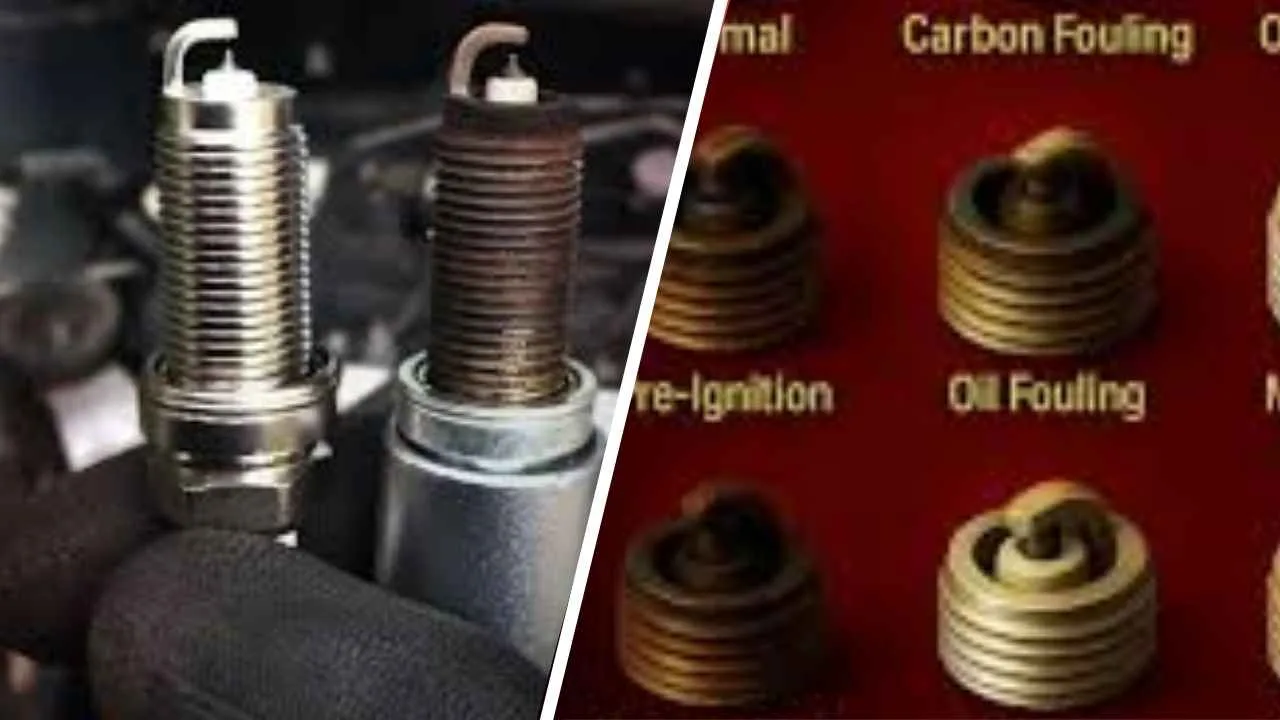
Spark Plug Problems & Causes are among the most common yet misunderstood issues affecting petrol engines today. If your car feels sluggish, struggles to start, or burns more fuel than usual, worn or faulty spark plugs may be the hidden reason. In the USA and UK, millions of vehicles experience performance problems every year simply because spark plugs are ignored for too long. Understanding how spark plugs work, why they fail, and how to fix issues early can save you money, improve fuel efficiency, and protect your engine from long-term damage.
What Are Spark Plugs and Why Are They So Important?
Spark plugs play a critical role in petrol-powered engines. Their main job is simple but essential: they ignite the air-fuel mixture inside the engine’s combustion chamber. This ignition creates the controlled explosion that pushes pistons, turns the crankshaft, and ultimately moves your vehicle.
Each spark plug must deliver a precise electrical spark thousands of times per minute. When spark plugs are in good condition, the engine runs smoothly, efficiently, and reliably. When problems develop, the entire combustion process suffers.
Basic Components of a Spark Plug
- Center electrode – Carries electrical current
- Ground electrode – Creates the spark gap
- Insulator – Prevents voltage leakage
- Metal shell – Threads into the engine head
Spark Plug Problems & Causes Explained
Spark plug issues don’t happen overnight. They develop gradually due to heat, wear, contamination, or engine-related problems. Understanding the root causes helps you diagnose issues accurately.
1. Normal Wear and Tear
Over time, the electrodes wear down. As the gap widens, the spark becomes weaker. Even high-quality iridium or platinum plugs eventually degrade.
2. Carbon Fouling
Carbon deposits build up when the engine runs rich, idles excessively, or operates mostly on short trips. This coating prevents proper spark formation.
3. Oil Fouling
Oil entering the combustion chamber due to worn piston rings or valve seals can coat spark plugs, causing misfires and rough running.
4. Overheating
Incorrect spark plug heat range, lean air-fuel mixtures, or cooling system problems can cause plugs to overheat, leading to electrode damage.
5. Incorrect Spark Plug Type
Using the wrong spark plug design or heat range can lead to poor combustion, knocking, or premature failure.
6. Moisture and Fuel Contamination
Water or fuel contamination can cause misfires and corrosion, especially in cold or humid climates common in parts of the UK.
Common Symptoms of Spark Plug Problems
Faulty spark plugs often give clear warning signs. Paying attention early can prevent costly repairs.
- Hard starting or no start
- Engine misfires or hesitation
- Rough idle or engine vibration
- Poor acceleration
- Reduced fuel efficiency
- Check engine light illuminated
Step-by-Step Solutions and Best Practices
Step 1: Inspect the Spark Plugs
Remove the plugs and check for wear, deposits, cracks, or oil fouling.
Step 2: Check Spark Plug Gap
Use a gap gauge to ensure the spacing matches manufacturer specifications.
Step 3: Replace Worn or Damaged Plugs
If electrodes are worn or heavily fouled, replacement is the best solution.
Step 4: Address Underlying Engine Issues
If plugs are oil-fouled or carbon-coated, fix the root cause such as oil leaks or fuel system problems.
Step 5: Use Correct Torque and Installation
Over-tightening or under-tightening can damage plugs or engine threads.
Real-World Examples and Practical Tips
In the USA, many drivers replace spark plugs only after experiencing misfires, often leading to damaged ignition coils. In the UK, short urban trips frequently cause carbon fouling due to incomplete combustion.
Practical tips:
- Follow service intervals in your owner’s manual
- Replace all plugs at the same time
- Use dielectric grease on ignition boots
- Keep fuel and air filters clean
Common Mistakes to Avoid
- Ignoring early symptoms
- Mixing old and new spark plugs
- Using incorrect spark plug type
- Over-tightening during installation
Safety Tips and Important Warnings
Always work on a cool engine. Hot spark plugs can cause burns or damage threads. Disconnect the battery when working near ignition components to avoid electrical shock.
Prevention and Long-Term Maintenance Advice
Preventing spark plug problems is easier than fixing them. Routine maintenance keeps your engine running smoothly for years.
- Replace plugs at recommended intervals
- Fix oil or fuel issues promptly
- Avoid low-quality fuel
- Schedule regular engine inspections
Conclusion: Key Takeaways on Spark Plug Problems & Causes
Spark Plug Problems & Causes may seem minor, but they can seriously impact engine performance, fuel economy, and reliability. By understanding why spark plugs fail, recognizing early symptoms, and following proper maintenance practices, drivers in the USA and UK can avoid breakdowns and costly repairs. A small component can make a big difference—take care of your spark plugs, and your engine will thank you.
Frequently Asked Questions
1. How often should spark plugs be replaced?
Most spark plugs last between 30,000 and 100,000 miles depending on type and driving conditions.
2. Can bad spark plugs damage my engine?
Yes. Prolonged misfires can damage catalytic converters and ignition coils.
3. Do spark plugs affect fuel consumption?
Worn spark plugs reduce combustion efficiency, leading to higher fuel usage.
4. Is it safe to drive with faulty spark plugs?
Short-term driving may be possible, but long-term use risks engine damage.
5. Should I replace spark plugs myself or visit a mechanic?
Simple replacements can be DIY, but modern engines may require professional tools and expertise.