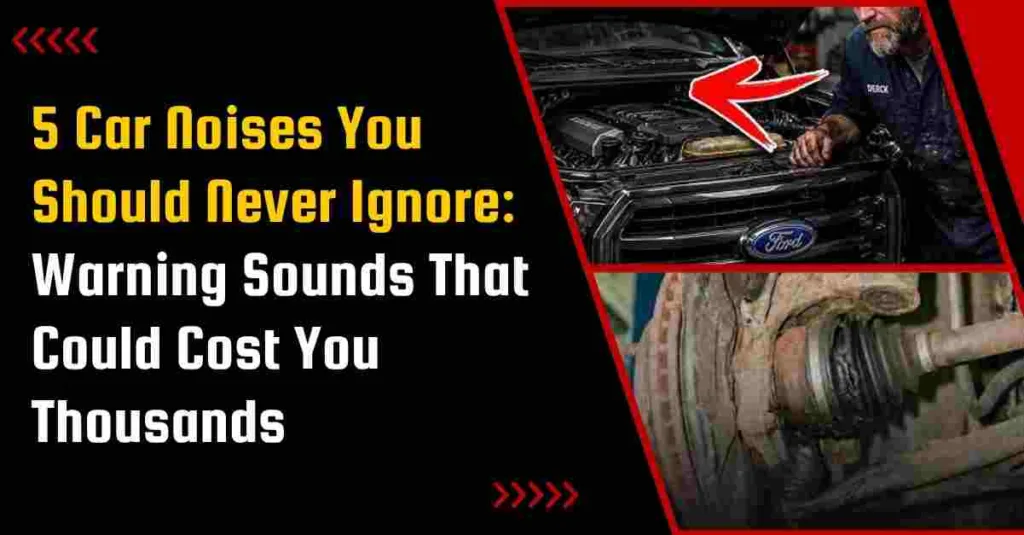
5 Car Noises You Should Never Ignore: Warning Sounds That Could Cost You Thousands
5 Car Noises You Should Never Ignore: Warning Sounds That Could Save You Thousands
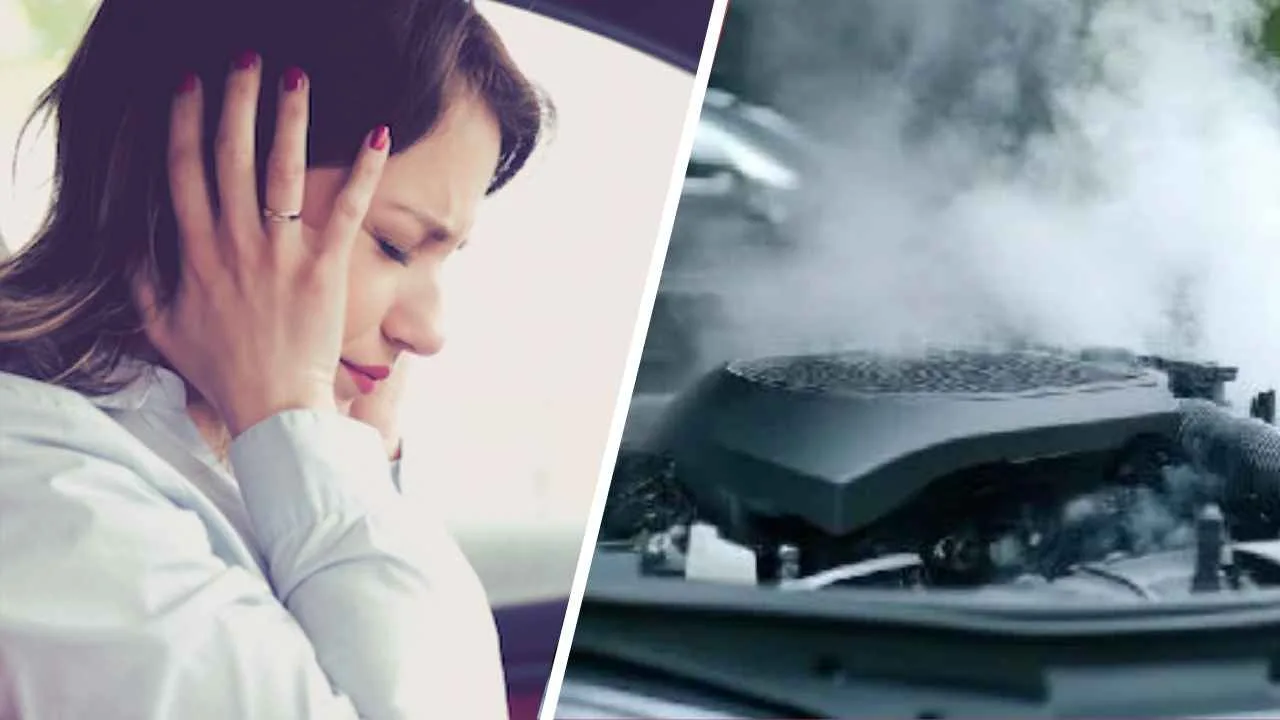
5 Car Noises You Should Never Ignore is a topic every vehicle owner should understand. Cars communicate problems in many ways, and unusual noises are often among the first warning signs that something is wrong. While some sounds may be harmless, others can indicate serious mechanical issues that could lead to expensive repairs, breakdowns, or even safety hazards if left unattended.
Many drivers turn up the radio or ignore strange sounds, hoping the problem will disappear on its own. Unfortunately, vehicle problems rarely fix themselves. In fact, a small issue that causes a minor noise today can quickly develop into a major repair bill tomorrow.
Whether you drive a compact car, SUV, pickup truck, hybrid, or electric vehicle, recognizing unusual sounds can help you act early and prevent costly damage. This guide explains the five car noises you should never ignore, their causes, symptoms, repair solutions, and practical tips for maintaining your vehicle’s health.
Why Car Noises Matter
Modern vehicles contain thousands of moving parts. Engines, transmissions, brakes, suspension systems, steering components, and wheel assemblies all work together to keep your vehicle operating safely.
When one of these components begins to fail, unusual noises often appear before a warning light illuminates or a complete breakdown occurs.
Listening to your vehicle is one of the simplest and most effective forms of preventive maintenance.
1: Squealing or Grinding Brakes
What It Sounds Like
- High-pitched squealing
- Metal scraping noises
- Grinding sounds during braking
Brake noises are among the most common and most important sounds to investigate immediately.
Common Causes
- Worn brake pads
- Damaged brake rotors
- Brake hardware wear
- Debris trapped between components
Symptoms That Often Accompany Brake Noises
- Brake pedal vibration
- Longer stopping distances
- Vehicle pulling while braking
- Brake warning light
Why You Shouldn’t Ignore It
Worn brake pads eventually expose metal backing plates that grind directly against the rotors. This can significantly increase repair costs and compromise braking performance.
Recommended Solution
Have the brake system inspected immediately. Replacing brake pads early is far less expensive than replacing pads, rotors, and calipers later.
2: Engine Knocking or Pinging
What It Sounds Like
- Rhythmic knocking
- Metallic tapping
- Pinging during acceleration
Engine knocking is one of the most concerning noises a vehicle can make.
Common Causes
- Low-octane fuel
- Carbon buildup
- Incorrect ignition timing
- Engine bearing wear
- Low oil levels
Additional Symptoms
- Reduced performance
- Check engine light
- Poor fuel economy
- Rough acceleration
Why You Shouldn’t Ignore It
Persistent engine knocking can cause severe internal engine damage. In extreme cases, repairs may require a complete engine rebuild or replacement.
Recommended Solution
Check oil levels immediately and schedule a professional diagnosis as soon as possible.
3: Clunking From the Suspension
What It Sounds Like
- Heavy clunking noises
- Rattling over bumps
- Thumping sounds underneath the vehicle
Suspension noises often become noticeable when driving over potholes, speed bumps, or uneven roads.
Common Causes
- Worn ball joints
- Damaged control arm bushings
- Faulty sway bar links
- Worn shock absorbers
- Loose suspension components
Warning Signs
- Poor handling
- Uneven tire wear
- Vehicle wandering
- Steering instability
Why You Shouldn’t Ignore It
Suspension problems affect vehicle control and stability. Delaying repairs can increase tire wear and reduce overall driving safety.
Recommended Solution
Inspect suspension components and replace worn parts before they affect steering and handling.
4: Humming or Growling From the Wheels
What It Sounds Like
- Low humming noise
- Growling sounds
- Noise that increases with speed
This type of sound often points to wheel bearing problems.
Common Causes
- Worn wheel bearings
- Damaged wheel hubs
- Tire irregularities
- Alignment issues
Symptoms
- Steering vibration
- Uneven tire wear
- Vehicle pulling
- Wheel play
Why You Shouldn’t Ignore It
A severely damaged wheel bearing can eventually fail completely, potentially affecting wheel stability and safety.
Recommended Solution
Have the wheel bearings and tire condition inspected promptly.
5: Clicking During Turns
What It Sounds Like
- Rapid clicking sounds
- Popping noises when turning
- Rhythmic clicking during cornering
This noise is commonly associated with worn constant velocity (CV) joints.
Common Causes
- Damaged CV joints
- Torn CV boots
- Loss of grease lubrication
Additional Symptoms
- Vibration during acceleration
- Grease around wheel areas
- Reduced steering smoothness
Why You Shouldn’t Ignore It
If a CV joint fails completely, power may no longer be transmitted to the wheels, potentially leaving the vehicle stranded.
Recommended Solution
Replace damaged CV joints or boots before further wear occurs.
How to Diagnose Unusual Vehicle Noises
When investigating a strange noise, ask yourself these questions:
- When does the noise occur?
- Does it happen during braking?
- Does it occur while turning?
- Does it change with vehicle speed?
- Does it happen only when the engine is running?
The answers can help narrow down the source of the problem.
Real-World Examples
A driver ignored brake squealing for several months. What began as a simple brake pad replacement eventually required new rotors and calipers, tripling the repair cost.
Another driver noticed a clicking sound while turning but delayed repairs. A failed CV joint later left the vehicle stranded on a busy roadway.
In another case, a humming wheel bearing was mistaken for tire noise. The bearing eventually became severe enough to affect vehicle handling.
Common Mistakes Drivers Make
- Ignoring new noises
- Assuming sounds will disappear
- Delaying inspections
- Using low-quality replacement parts
- Ignoring maintenance schedules
- Failing to check fluid levels regularly
Safety Risks Associated With Unusual Car Noises
Some noises indicate components directly related to vehicle safety.
- Brake failures
- Suspension instability
- Steering problems
- Wheel bearing failures
- Engine damage
If a noise suddenly becomes louder or is accompanied by warning lights, reduced performance, or handling issues, stop driving and have the vehicle inspected immediately.
Preventing Major Repairs Through Early Detection
Follow Routine Maintenance
Regular servicing helps identify developing problems before they become serious.
Perform Visual Inspections
Check tires, fluid levels, belts, and visible suspension components periodically.
Address Small Issues Quickly
Minor repairs are almost always cheaper than major repairs caused by neglect.
Use Quality Parts
High-quality replacement components generally last longer and perform better.
Long-Term Vehicle Maintenance Tips
- Change engine oil on schedule
- Inspect brakes regularly
- Rotate tires as recommended
- Check suspension components annually
- Maintain proper tire pressure
- Address warning lights immediately
- Listen for changes in vehicle behavior
Conclusion
Understanding the 5 Car Noises You Should Never Ignore can help prevent expensive repairs, improve vehicle reliability, and enhance road safety. Squealing brakes, engine knocking, suspension clunks, wheel bearing hums, and CV joint clicks are all warning signs that deserve prompt attention.
The earlier you investigate unusual sounds, the more likely you are to avoid major mechanical failures. Regular maintenance, routine inspections, and quick action when problems arise can save thousands of dollars over the life of your vehicle.
If your car starts making a new or unusual noise, don’t simply turn up the radio. Listen carefully, identify the symptoms, and have the problem diagnosed before it becomes a larger issue.
Frequently Asked Questions
1. What is the most dangerous car noise?
Engine knocking and severe brake grinding are among the most serious noises because they can indicate major mechanical or safety-related issues.
2. Can I drive with a squealing brake noise?
You may be able to drive temporarily, but the brakes should be inspected as soon as possible.
3. What causes clicking noises when turning?
Worn CV joints are one of the most common causes of clicking sounds during turns.
4. Why does my car make a humming noise while driving?
Wheel bearing wear, tire issues, or alignment problems are common causes.
5. When should I see a mechanic for unusual car noises?
If a noise is persistent, becoming louder, or affecting vehicle performance, schedule an inspection immediately.