

Problems with 2014 Toyota Highlander: Common Issues, Fixes & Owner Advice
Problems with 2014 Toyota Highlander: Common Issues, Symptoms, and Reliable Solutions
The problems with 2014 Toyota Highlander are a common search topic among used-car buyers and current owners who want to understand what can go wrong with this otherwise popular midsize SUV. Known for its comfort, practicality, and family-friendly design, the 2014 Highlander still has several recurring issues that owners in the USA and UK have reported over the years. This in-depth guide breaks down the most common problems, why they happen, how to spot them early, and what you can do to fix or prevent them.
Overview of the 2014 Toyota Highlander
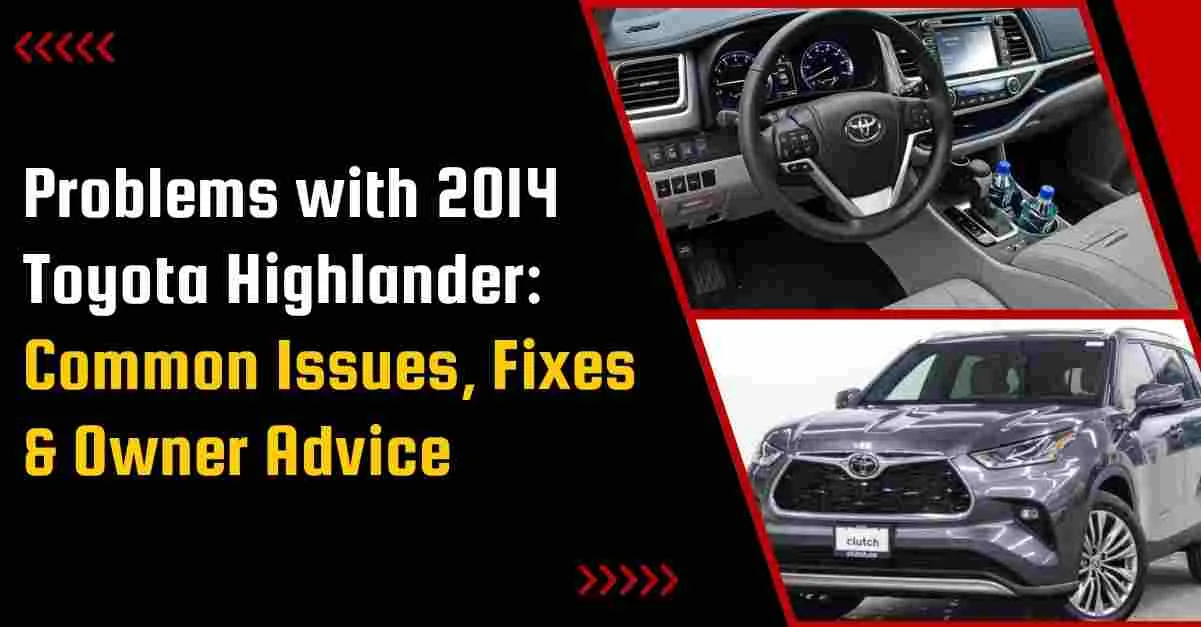
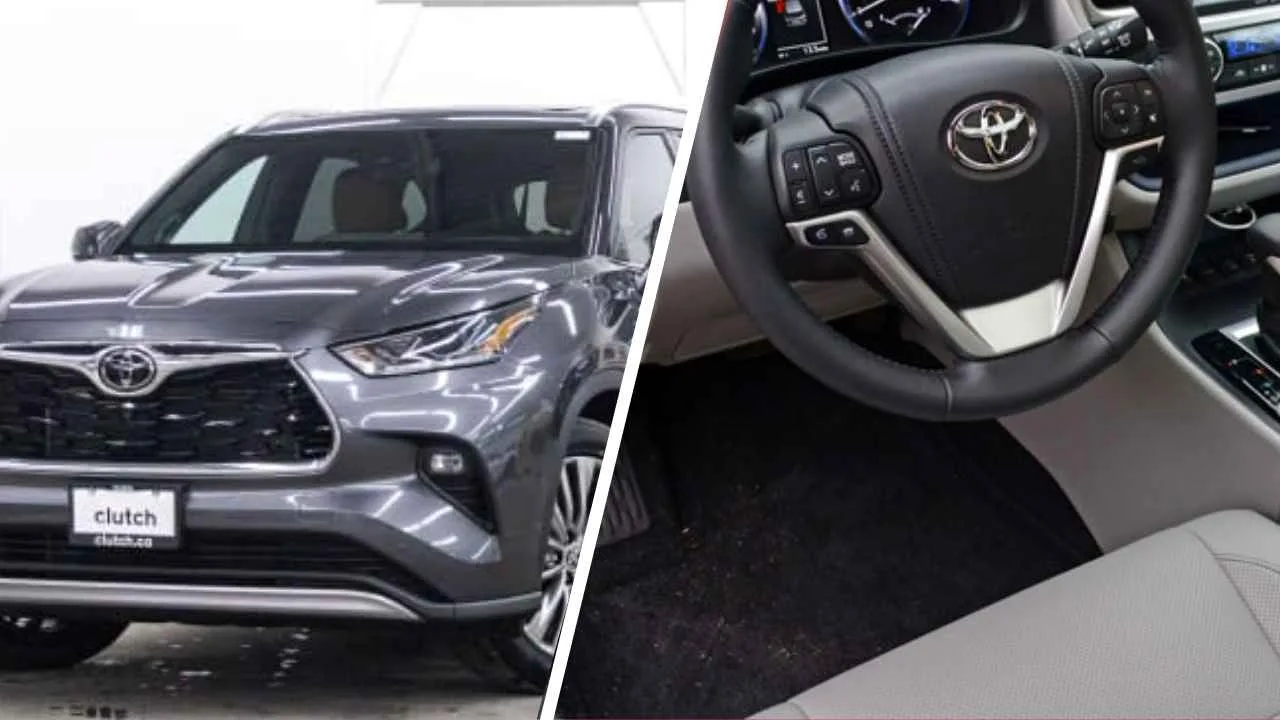
The 2014 Toyota Highlander marked the first model year of the third generation. It came with updated styling, improved interior space, and advanced safety features. Buyers could choose between a 2.7L four-cylinder or a 3.5L V6 engine, paired with a six-speed automatic transmission.
Despite Toyota’s reputation for reliability, the first year of a new generation often comes with growing pains. Many of the problems with 2014 Toyota Highlander stem from design changes, electronic systems, and drivetrain components introduced that year.
Most Common Problems with 2014 Toyota Highlander
1. Transmission Shifting Issues
One of the most widely reported problems involves the automatic transmission, especially on V6 models.
Common complaints include:
- Hard or delayed shifting
- Jerking when accelerating or decelerating
- Hesitation when merging or overtaking
These issues are often linked to transmission software calibration rather than mechanical failure. Toyota released Technical Service Bulletins (TSBs) addressing shift logic updates.
2. Excessive Engine Noise
Many owners report louder-than-expected engine noise, particularly during acceleration. While not always a mechanical defect, it can be unsettling.
Possible causes include:
- Thin firewall insulation
- Aggressive throttle mapping
- Normal high-rev behavior of the V6
This is more of a comfort issue than a reliability concern, but it’s frequently mentioned in owner reviews.
3. Oil Leaks and Oil Consumption
Oil-related concerns are another notable item on the list of problems with 2014 Toyota Highlander.
Reported issues:
- Oil leaks from valve cover gaskets
- Higher-than-normal oil consumption
- Burning oil smell
Ignoring these issues can lead to low oil levels, which may cause engine damage over time.
4. Electrical System and Infotainment Problems
The 2014 Highlander introduced a more advanced infotainment system, but early versions were not always stable.
Common electrical complaints:
- Touchscreen freezing or rebooting
- Bluetooth connectivity failures
- Backup camera intermittently not working
Most of these issues can be resolved with software updates or head unit replacement.
5. Brake Wear and Brake Noise
Premature brake wear is another frequently reported concern.
Symptoms include:
- Squeaking or grinding noises
- Warped rotors
- Reduced braking performance
In many cases, factory brake components wear faster than expected, especially with city driving.
Causes Behind These Problems
Understanding why these issues occur helps owners make better maintenance decisions.
- First-year redesign: New components and software often need refinement.
- Software calibration: Many drivetrain issues are electronic rather than mechanical.
- Driving habits: Frequent stop-and-go driving accelerates brake and transmission wear.
- Maintenance gaps: Skipping oil changes or inspections increases failure risk.
Warning Signs You Shouldn’t Ignore
Early detection can prevent expensive repairs.
- Delayed throttle response
- Unusual noises when shifting gears
- Oil warning light or burning smell
- Infotainment screen glitches
- Vibration during braking
Step-by-Step Solutions and Fixes
1. Address Transmission Concerns
- Check for available software updates
- Have transmission fluid inspected
- Request a diagnostic scan from a qualified mechanic
2. Reduce Engine Noise
- Inspect engine mounts
- Add aftermarket sound insulation if needed
- Confirm engine operation is within normal parameters
3. Fix Oil Leaks Early
- Inspect valve cover gaskets
- Monitor oil levels between services
- Repair leaks immediately to avoid engine damage
4. Resolve Electrical Issues
- Update infotainment software
- Check wiring connections
- Replace faulty modules if required
5. Improve Brake Performance
- Use high-quality aftermarket brake pads
- Resurface or replace rotors
- Inspect brakes every 10,000–15,000 miles
Real-World Owner Tips
- Many owners report smoother shifting after ECU updates
- Switching to premium brake components improves longevity
- Regular oil checks prevent long-term engine issues
Common Mistakes to Avoid
- Ignoring minor warning signs
- Assuming all issues are “normal behavior”
- Skipping recommended maintenance intervals
- Using low-quality replacement parts
Safety Risks and Important Warnings
Some problems with 2014 Toyota Highlander can affect safety if left unresolved.
- Transmission hesitation can impact merging safety
- Brake issues increase stopping distance
- Electrical failures may affect rear camera visibility
If you notice performance changes that affect vehicle control, seek professional inspection immediately.
Prevention and Long-Term Maintenance Advice
- Follow strict oil change intervals
- Update vehicle software when available
- Inspect brakes and suspension annually
- Address small issues before they escalate
With proper care, many owners report well over 200,000 miles of dependable service.
Frequently Asked Questions
Is the 2014 Toyota Highlander reliable overall?
Yes, despite some known issues, it remains a reliable SUV when properly maintained.
Are transmission problems common in the 2014 Highlander?
They are reported more frequently than in later models, but many are resolved with software updates.
Does the 2014 Highlander have engine problems?
Major engine failures are rare, but oil leaks and noise complaints are fairly common.
Is the 2014 Toyota Highlander expensive to repair?
Repair costs are generally moderate compared to other midsize SUVs in its class.
Should I buy a used 2014 Toyota Highlander?
Yes, if it has a solid maintenance history and has been inspected for known issues.
Conclusion: Key Takeaways for Owners and Buyers
The problems with 2014 Toyota Highlander are real but manageable. Most issues relate to transmission behavior, electronics, and routine wear rather than catastrophic failures. With regular maintenance, timely software updates, and quality replacement parts, the 2014 Highlander can still be a dependable and comfortable SUV for families and daily drivers.
If you’re buying used or already own one, staying informed and proactive is the best way to protect your investment and enjoy long-term reliability.


