
Electric Car Battery Overheating – Is It Normal? Causes, Risks & Fixes
Electric Car Battery Overheating – Is It Normal? Causes, Risks, and Fixes Explained
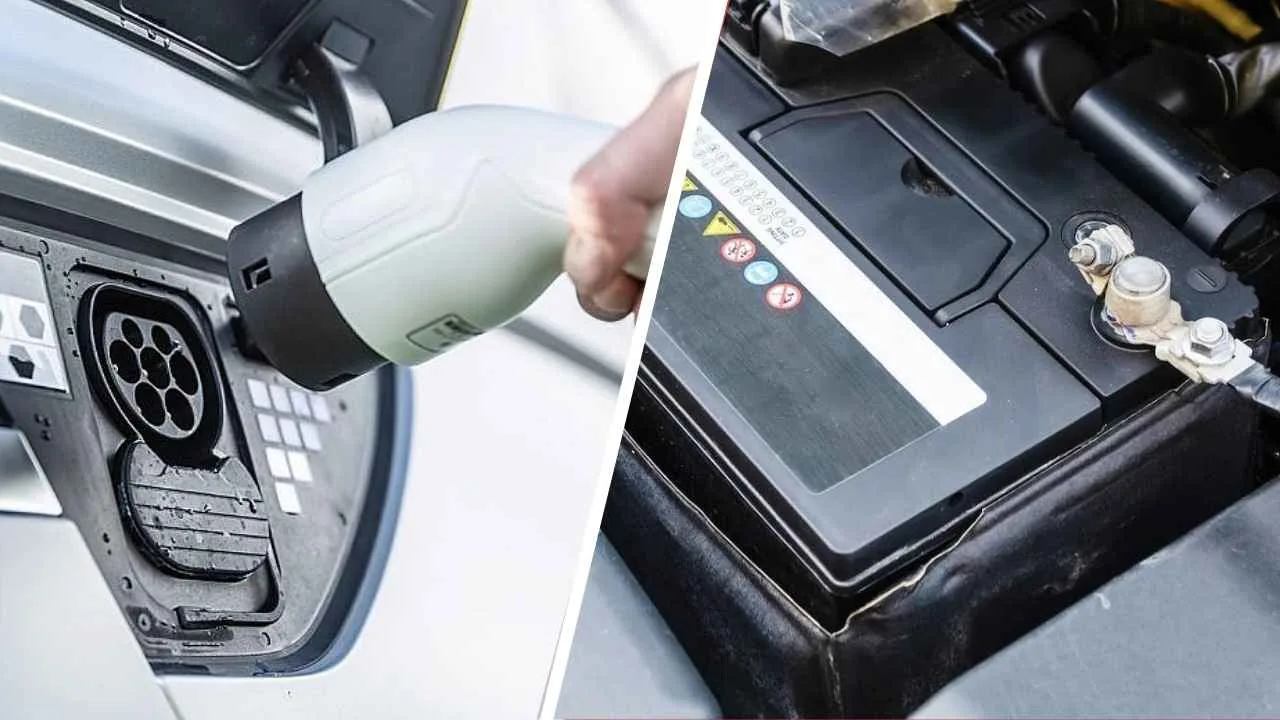
Electric Car Battery Overheating – Is It Normal? This is a question many electric vehicle (EV) owners ask, especially after noticing high battery temperatures during charging or long drives. While some heat is completely normal in EV batteries, excessive overheating can signal serious problems that affect performance, safety, and battery lifespan.
In this detailed guide, we’ll explore why EV batteries heat up, when it’s normal, when it’s not, and what you can do to prevent costly damage.
How Electric Car Batteries Work
Electric vehicles use lithium-ion batteries to store and deliver energy. These batteries generate heat naturally during:
- Charging (especially fast charging)
- Discharging (driving and acceleration)
- High-performance driving conditions
Modern EVs include thermal management systems designed to regulate battery temperature and keep it within a safe range.
Electric Car Battery Overheating – Is It Normal?
Yes—up to a point. Mild to moderate heat is completely normal, especially during:
- Fast charging sessions
- Hot weather conditions
- Long-distance driving
However, overheating becomes a concern when temperatures exceed safe limits or when the cooling system fails to manage the heat effectively.
Common Causes of Electric Car Battery Overheating
1. Fast Charging (DC Charging)
Rapid charging generates more heat compared to standard charging.
2. High Ambient Temperatures
Hot weather can increase battery temperature significantly.
3. Aggressive Driving
Frequent acceleration and high speeds put extra load on the battery.
4. Faulty Cooling System
Malfunctioning cooling components can lead to overheating.
5. Battery Age and Wear
Older batteries may struggle to regulate temperature efficiently.
6. Overcharging or Charging Issues
Improper charging habits can increase heat buildup.
Symptoms of Battery Overheating
Watch for these warning signs:
- Battery temperature warning light
- Reduced performance or power output
- Charging speed slows down automatically
- Cooling fans running continuously
- Unusual smells or heat from battery area
These symptoms indicate the system is trying to protect itself.
Step-by-Step Solutions and Best Practices
1. Avoid Frequent Fast Charging
- Use standard charging when possible
- Limit DC fast charging to long trips
2. Park in Cool or Shaded Areas
- Avoid direct sunlight for long periods
3. Drive Smoothly
- Avoid aggressive acceleration
- Maintain steady speeds
4. Monitor Battery Temperature
- Use your car’s dashboard or app
5. Check Cooling System
- Ensure coolant levels are adequate (if applicable)
- Service regularly
6. Update Vehicle Software
- Manufacturers release updates to improve thermal management
7. Seek Professional Diagnosis
If overheating persists, consult a certified EV technician.
Real-World Examples and Practical Tips
Many EV owners report similar experiences:
- A driver noticed overheating during repeated fast charging sessions—switching to slower charging reduced the issue
- Parking in shaded areas significantly lowered battery temperature during summer
- Software updates improved thermal management in some EV models
Small changes can make a big difference in battery health.
Common Mistakes to Avoid
- Using fast charging too frequently
- Ignoring temperature warnings
- Parking in direct sunlight for long hours
- Skipping regular maintenance checks
These habits can shorten battery life.
Safety Tips and Important Warnings
- Never ignore overheating warnings
- Avoid driving if the system limits power significantly
- Do not attempt DIY repairs on EV batteries
- Contact professionals for serious issues
Battery safety is critical in electric vehicles.
Prevention and Long-Term Maintenance
Use Smart Charging Habits
- Charge during cooler times of the day
Maintain Optimal Temperature
- Use climate control features when needed
Schedule Regular Inspections
- Check battery health periodically
Follow Manufacturer Guidelines
- Stick to recommended charging and usage practices
Proper care ensures long battery life and consistent performance.
Conclusion
Electric Car Battery Overheating – Is It Normal? The answer is yes, but only within safe limits. Heat is a natural part of battery operation, but excessive overheating should never be ignored.
By understanding the causes, recognizing the warning signs, and following best practices, you can protect your EV’s battery, improve performance, and avoid costly repairs.
Frequently Asked Questions
1. Is it normal for EV batteries to get hot?
Yes, moderate heat is normal, especially during charging and driving.
2. What causes EV battery overheating?
Common causes include fast charging, hot weather, and aggressive driving.
3. Can overheating damage an EV battery?
Yes, excessive heat can reduce battery lifespan and performance.
4. How can I prevent EV battery overheating?
Use proper charging habits, avoid heat exposure, and maintain the cooling system.
5. Should I drive if my EV battery is overheating?
No, it’s best to stop and allow the system to cool down or seek professional help.


