

Hidden Costs of Owning an Electric Vehicle in 2026: What EV Buyers Need to Know
Hidden Costs of Owning an Electric Vehicle in 2026: What Every Buyer Should Know
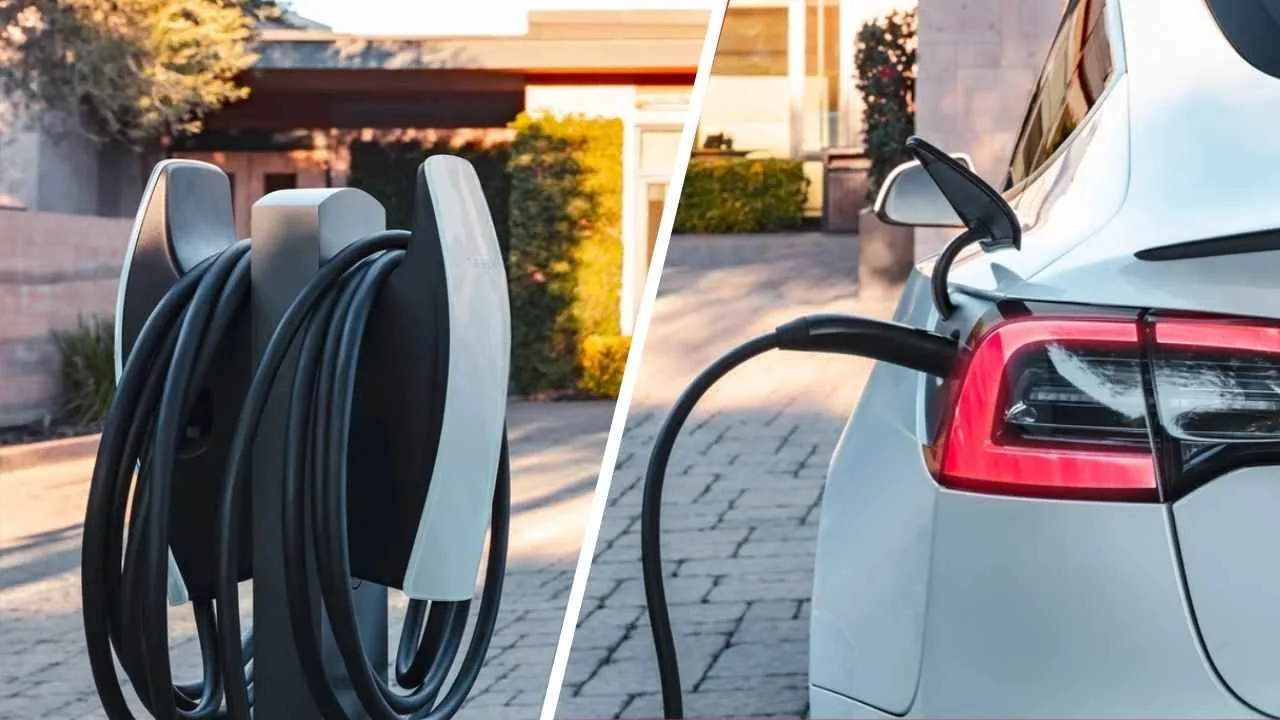
Hidden Costs of Owning an Electric Vehicle in 2026 are becoming an important topic for drivers considering the switch from gasoline-powered vehicles to electric cars. Electric vehicles (EVs) offer many benefits, including lower fuel costs, reduced emissions, quieter operation, and fewer moving parts. However, while advertisements often focus on fuel savings and environmental advantages, many buyers discover there are additional expenses that can significantly affect the total cost of ownership.
If you’re planning to buy an electric vehicle in 2026, understanding these hidden costs can help you make a more informed decision. While EVs can save money in certain areas, unexpected expenses related to charging, insurance, battery maintenance, registration fees, and depreciation can catch owners by surprise.
This guide explores the hidden costs of owning an electric vehicle in 2026, helping buyers in the USA and UK understand the full financial picture before making a purchase.
Why Understanding EV Ownership Costs Matters
Electric vehicles have evolved rapidly over the past decade. Improved battery technology, longer driving ranges, and expanded charging networks have made EVs more practical than ever.
However, comparing only the purchase price and fuel savings does not provide a complete picture. Total ownership costs include many factors that may not be obvious during the buying process.
Understanding these expenses can help drivers avoid financial surprises and determine whether an EV fits their lifestyle and budget.
The Most Common Hidden Costs of Owning an Electric Vehicle in 2026
1. Home Charging Installation Costs
One of the first expenses many new EV owners face is installing a home charging station.
While most EVs come with a basic charging cable, Level 1 charging using a standard household outlet can be extremely slow.
Many owners choose a Level 2 charger for faster charging speeds.
Typical Costs Include:
- Charging equipment purchase
- Electrical panel upgrades
- Professional installation fees
- Permit costs in some locations
Depending on the property and electrical system, installation costs can range from a few hundred to several thousand dollars or pounds.
2. Public Charging Expenses
Many prospective buyers assume charging is always cheaper than buying gasoline.
While home charging is often economical, public fast chargers can be considerably more expensive.
Factors Affecting Costs:
- Charging network pricing
- Peak-hour rates
- Subscription fees
- Fast charging premiums
Frequent reliance on public charging can reduce the expected fuel savings associated with EV ownership.
3. Higher Insurance Premiums
Insurance costs for electric vehicles are often higher than those for comparable gasoline-powered vehicles.
Reasons Include:
- Higher vehicle values
- Expensive battery systems
- Specialized repair requirements
- Limited repair facilities
- Advanced driver-assistance technologies
While rates vary by location and driver profile, some EV owners experience noticeably higher insurance premiums.
4. Battery Degradation Over Time
Modern EV batteries are designed to last many years, but they gradually lose capacity over time.
This process is known as battery degradation.
Factors That Accelerate Degradation:
- Frequent fast charging
- Extreme temperatures
- Repeated charging to 100%
- Deep discharging cycles
Although many batteries remain functional for years, reduced driving range can affect vehicle value and usability.
5. Potential Battery Replacement Costs
Battery replacement remains one of the largest potential long-term expenses.
Fortunately, complete battery replacement is relatively uncommon during the early years of ownership.
However, if replacement becomes necessary outside warranty coverage, costs can be substantial.
Battery Replacement Factors:
- Battery size
- Vehicle model
- Labor costs
- Regional pricing
This remains one of the biggest financial concerns for used EV buyers.
6. EV Registration and Road Taxes
Many governments previously offered tax incentives and reduced registration fees for EVs.
In 2026, some regions are introducing new road-use fees and registration charges to compensate for declining fuel tax revenue.
Examples Include:
- Annual EV registration fees
- Road-use charges
- Mileage-based taxation programs
These fees can add unexpected ownership costs.
7. Tire Replacement Costs
Electric vehicles are generally heavier than gasoline-powered vehicles due to battery weight.
They also deliver instant torque.
Both factors can increase tire wear.
Why EV Tires Cost More:
- Specialized low-resistance designs
- Higher load ratings
- Noise-reduction technology
Replacement tires for EVs are often more expensive than conventional alternatives.
8. Depreciation Concerns
Depreciation is an overlooked ownership cost.
Rapid improvements in EV technology can affect resale values.
Factors Affecting EV Depreciation:
- New battery technology releases
- Improved driving ranges
- Changes in government incentives
- Market demand fluctuations
Some EV models depreciate faster than traditional vehicles.
9. Charging Network Membership Fees
Some charging providers offer subscription programs.
While memberships can lower charging rates, they add ongoing monthly expenses.
Drivers who frequently travel long distances may end up paying multiple network subscriptions.
10. Home Electricity Rate Increases
Charging an EV increases household electricity consumption.
Utility rate increases can affect expected savings.
Owners should calculate charging costs using local electricity rates rather than relying on generalized estimates.
11. Repair Costs for Specialized Components
Electric vehicles typically require less routine maintenance than gasoline vehicles.
However, certain repairs can be more expensive.
Examples Include:
- Battery cooling systems
- High-voltage components
- Power electronics
- Charging modules
- Electric drive units
These systems often require specially trained technicians.
12. Reduced Towing and Service Availability
Not every repair facility is equipped to service electric vehicles.
In some areas, owners may need to travel farther for repairs.
This can increase towing costs and service wait times.
Signs That EV Ownership Costs May Be Higher Than Expected
Some drivers are more likely to experience elevated ownership costs.
Potential Warning Signs:
- No access to home charging
- Heavy reliance on fast charging
- Long daily commutes
- Frequent long-distance travel
- Living in areas with high electricity rates
- Limited EV service centers nearby
How to Reduce the Hidden Costs of Owning an Electric Vehicle in 2026
1. Install Home Charging Strategically
Compare installation quotes and determine whether electrical upgrades are necessary before purchasing an EV.
2. Charge During Off-Peak Hours
Many utility companies offer discounted overnight charging rates.
3. Minimize Fast Charging
Use DC fast chargers primarily for road trips rather than daily charging.
4. Compare Insurance Providers
Insurance premiums vary significantly between companies.
Shopping around can produce substantial savings.
5. Maintain Proper Tire Pressure
Proper inflation reduces tire wear and improves efficiency.
6. Protect Battery Health
- Avoid excessive fast charging
- Limit charging to 80% when practical
- Avoid prolonged exposure to extreme temperatures
Real-World Examples
A homeowner purchased an EV expecting immediate savings but later spent over $2,000 upgrading an outdated electrical panel before installing a Level 2 charger.
Another driver relied primarily on public fast chargers and discovered charging costs were much higher than anticipated compared to home charging.
A used EV buyer found that battery degradation reduced driving range significantly, affecting the vehicle’s resale value.
Common Mistakes New EV Owners Make
- Ignoring charging installation costs
- Assuming all charging is inexpensive
- Overlooking insurance differences
- Failing to research battery warranties
- Ignoring long-term depreciation
- Neglecting battery health practices
Safety Considerations
Electric vehicles are generally very safe, but owners should understand proper charging procedures.
- Use certified charging equipment
- Follow manufacturer charging guidelines
- Inspect charging cables regularly
- Avoid damaged charging stations
- Address battery warning messages immediately
Long-Term Maintenance Strategies
Maintaining an EV properly can reduce ownership costs over time.
Best Practices:
- Follow battery care recommendations
- Monitor tire wear regularly
- Update vehicle software when available
- Perform scheduled inspections
- Keep charging equipment maintained
Conclusion
Hidden Costs of Owning an Electric Vehicle in 2026 extend beyond the sticker price and monthly charging expenses. While EVs offer many advantages, buyers should consider home charging installation, insurance costs, battery degradation, tire replacement, registration fees, depreciation, and specialized repairs when calculating total ownership costs.
The good news is that many of these expenses can be managed through careful planning and informed decision-making. By understanding the complete financial picture before purchasing, drivers can enjoy the benefits of electric vehicle ownership while avoiding unexpected surprises.
For many households, an EV remains an excellent investment. The key is knowing exactly what costs to expect and preparing for them in advance.
Frequently Asked Questions
1. What is the biggest hidden cost of owning an electric vehicle in 2026?
Home charging installation and potential battery replacement are often considered the largest hidden expenses.
2. Are electric vehicles cheaper to maintain than gasoline cars?
Generally yes, but specialized repairs and battery-related costs can be higher.
3. Do EV batteries need replacement frequently?
No. Most modern EV batteries last many years, although capacity gradually decreases over time.
4. Why is EV insurance sometimes more expensive?
Higher vehicle values, advanced technology, and specialized repair requirements often increase insurance costs.
5. Can public charging cost more than expected?
Yes. Frequent use of fast chargers and premium charging networks can significantly increase charging expenses.


