
Car Engine Temperature Goes Up and Down – Causes, Fixes, and Warning Signs
Car Engine Temperature Goes Up and Down: Causes, Warning Signs, and Fixes
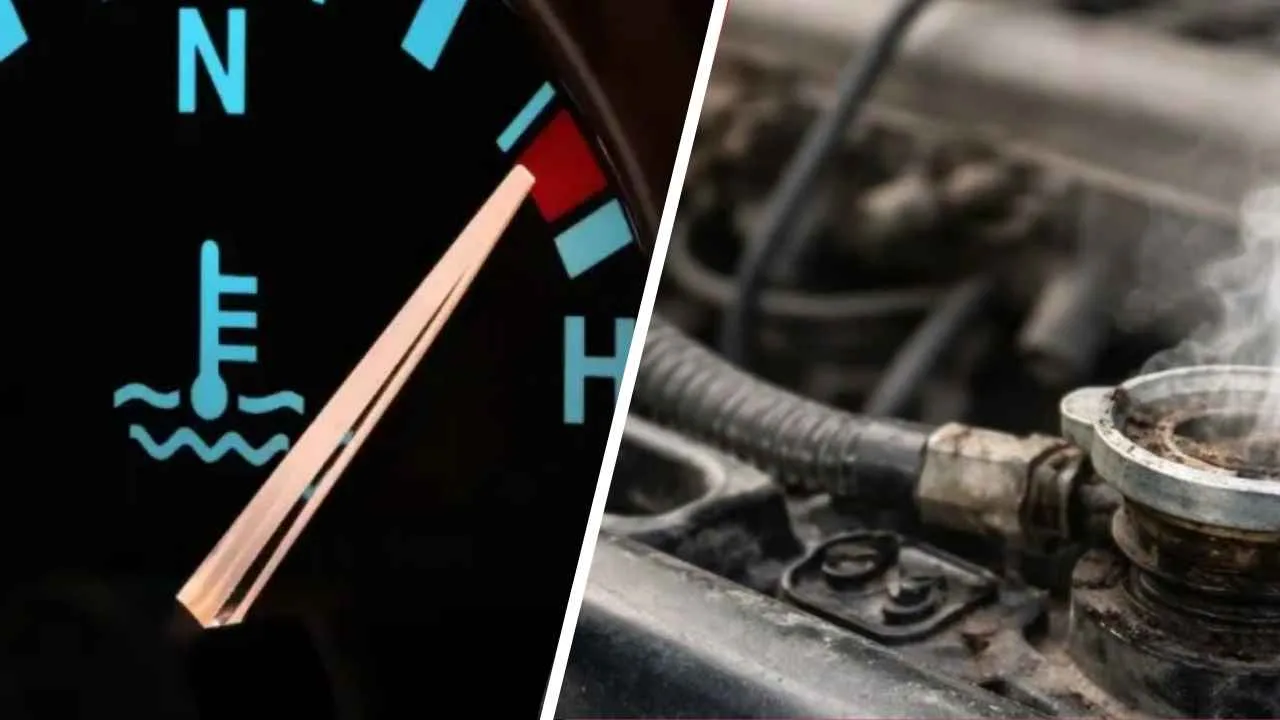
Car Engine Temperature Goes Up and Down is a problem many drivers notice when watching the dashboard temperature gauge fluctuate while driving. One moment the engine temperature appears normal, and the next it suddenly rises or drops without warning. While minor changes can sometimes be normal, constant fluctuations often point to cooling system issues that should not be ignored.
Your engine is designed to operate within a specific temperature range. If the temperature repeatedly moves higher or lower than normal, it may signal problems such as low coolant, a faulty thermostat, air trapped in the cooling system, radiator issues, or even a failing water pump.
In this complete guide, we’ll explain why engine temperature fluctuates, the most common causes, warning signs, repair solutions, and how to prevent expensive engine damage.
Why Stable Engine Temperature Matters
Modern engines are designed to operate efficiently at a controlled temperature. If the engine runs too hot, internal components can warp or fail. If it runs too cold, fuel economy and engine performance can suffer.
The cooling system works constantly to regulate engine heat using:
- Coolant
- Radiator
- Water pump
- Thermostat
- Cooling fans
- Temperature sensors
When one of these components fails, the temperature gauge may move up and down unexpectedly.
Car Engine Temperature Goes Up and Down: Main Causes
1. Low Coolant Level
Low coolant is one of the most common reasons for fluctuating engine temperature.
Coolant absorbs heat from the engine and transfers it to the radiator. If the coolant level drops too low, heat circulation becomes inconsistent.
Symptoms:
- Temperature gauge fluctuates frequently
- Heater stops blowing hot air
- Engine overheating
- Coolant warning light
Common causes of low coolant:
- Radiator leaks
- Hose leaks
- Water pump leaks
- Head gasket problems
2. Faulty Thermostat
The thermostat controls coolant flow through the engine. If it sticks open or closed, engine temperature may rise and fall unexpectedly.
Signs of thermostat problems:
- Temperature spikes suddenly
- Engine takes too long to warm up
- Poor cabin heater performance
A stuck thermostat is one of the most frequent causes of unstable engine temperature.
3. Air Trapped in the Cooling System
Air pockets inside the cooling system can interrupt coolant circulation.
This often happens after coolant replacement or cooling system repairs if the system was not bled properly.
Symptoms:
- Fluctuating temperature gauge
- Gurgling sounds
- Inconsistent heater performance
4. Bad Water Pump
The water pump circulates coolant through the engine and radiator.
If the pump fails or the impeller becomes damaged, coolant flow may become weak or inconsistent.
Warning signs:
- Coolant leak near pump
- Whining noise from engine
- Overheating at higher speeds
5. Cooling Fan Problems
Electric cooling fans help cool the radiator when airflow is low, especially in traffic.
If the fan stops working, engine temperature may rise while idling and drop while driving.
Symptoms:
- Overheating in traffic
- Temperature normal on highway
- AC performance problems
6. Clogged Radiator
A clogged radiator restricts coolant flow and reduces heat transfer.
Signs include:
- Overheating during long drives
- Rusty coolant
- Uneven radiator temperature
7. Faulty Temperature Sensor
Sometimes the engine temperature is actually normal, but the sensor or gauge gives inaccurate readings.
Possible symptoms:
- Gauge jumps randomly
- No actual overheating signs
- Check engine light appears
8. Head Gasket Failure
A blown head gasket can allow gases into the cooling system, causing overheating and temperature fluctuations.
Serious warning signs:
- White exhaust smoke
- Coolant loss
- Milky engine oil
- Bubbles in radiator
Warning Signs You Should Never Ignore
If your engine temperature constantly rises and falls, watch for these additional warning signs:
- Steam from engine bay
- Sweet coolant smell
- Low coolant levels
- Engine overheating warning light
- Poor heater performance
- Visible coolant leaks
Ignoring these symptoms can lead to severe engine damage.
How Mechanics Diagnose Temperature Fluctuation Problems
Step 1: Coolant Inspection
Checking coolant level, condition, and leaks.
Step 2: Pressure Testing
The cooling system is pressurized to identify leaks.
Step 3: Thermostat Testing
The thermostat is checked for proper operation.
Step 4: Water Pump Inspection
Mechanics inspect coolant circulation and pump condition.
Step 5: Scan Tool Diagnostics
Electronic sensors and engine temperature readings are analyzed.
Step-by-Step Solutions for Engine Temperature Fluctuations
1. Refill Coolant Properly
Low coolant should be topped up using the correct coolant type recommended by the manufacturer.
2. Repair Coolant Leaks
Leaks should be repaired immediately before serious overheating occurs.
3. Replace Faulty Thermostat
A new thermostat often solves unstable temperature problems.
4. Bleed Air from Cooling System
Removing trapped air restores proper coolant circulation.
5. Replace Water Pump
Bad water pumps should be replaced quickly to avoid engine overheating.
6. Repair Cooling Fans
Fan motors, relays, or sensors may need replacement.
7. Flush or Replace Radiator
Severely clogged radiators may require replacement.
Real-World Examples and Practical Tips
A driver noticed the temperature gauge fluctuating only during stop-and-go traffic. The issue turned out to be a failed radiator fan motor.
Another driver experienced rising and falling temperatures after replacing coolant. Air trapped in the system caused the issue until the system was properly bled.
In another case, low coolant caused the heater to blow cold air intermittently while the temperature gauge spiked.
Common Mistakes Drivers Make
- Ignoring fluctuating temperature gauges
- Driving while overheating
- Mixing incorrect coolant types
- Adding only water repeatedly
- Ignoring small coolant leaks
These mistakes can turn minor repairs into major engine damage.
Safety Risks of Engine Temperature Problems
- Severe engine overheating
- Warped cylinder heads
- Blown head gasket
- Engine seizure
- Breakdown on the road
Overheating can permanently damage the engine if not addressed quickly.
How to Prevent Engine Temperature Fluctuations
Check Coolant Regularly
Inspect coolant levels monthly.
Replace Coolant on Schedule
Old coolant loses effectiveness over time.
Inspect Hoses and Belts
Cracked hoses and worn belts should be replaced early.
Watch the Temperature Gauge
Pay attention to unusual changes during driving.
Service the Cooling System
Regular maintenance helps prevent expensive repairs.
Conclusion
Car Engine Temperature Goes Up and Down is usually a warning sign that something in the cooling system is not working properly. While some causes are simple, such as low coolant or trapped air, others can become serious enough to damage the engine permanently.
The key is to diagnose and repair the issue early before overheating causes expensive repairs. Regular cooling system maintenance, proper coolant levels, and attention to warning signs can keep your engine running at the correct temperature for years to come.
Frequently Asked Questions
1. Is it normal for engine temperature to fluctuate slightly?
Small changes are normal, but constant large fluctuations usually indicate a problem.
2. Can low coolant cause temperature gauge changes?
Yes, low coolant is one of the most common causes.
3. Why does my temperature rise in traffic but drop while driving?
This often points to cooling fan problems.
4. Can a bad thermostat cause overheating?
Yes, a stuck thermostat can restrict coolant flow and cause overheating.
5. Is it safe to drive with fluctuating engine temperature?
It’s risky because overheating can damage the engine quickly.


