
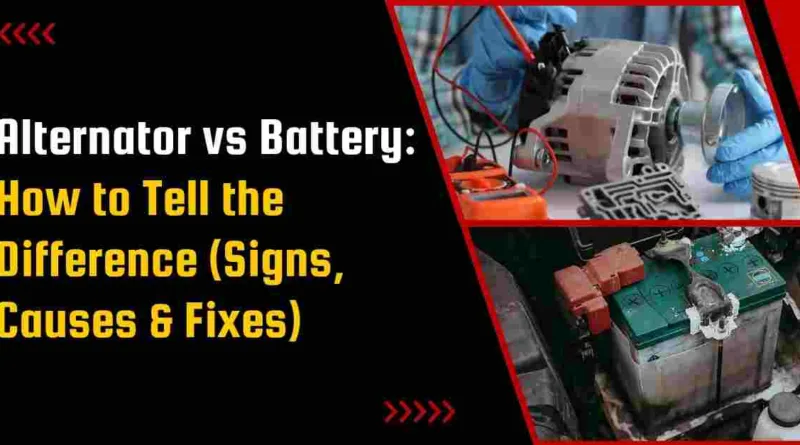
Alternator vs Battery: How to Tell the Difference (Signs, Causes & Fixes)
Alternator vs Battery: How to Tell the Difference (Complete Guide)
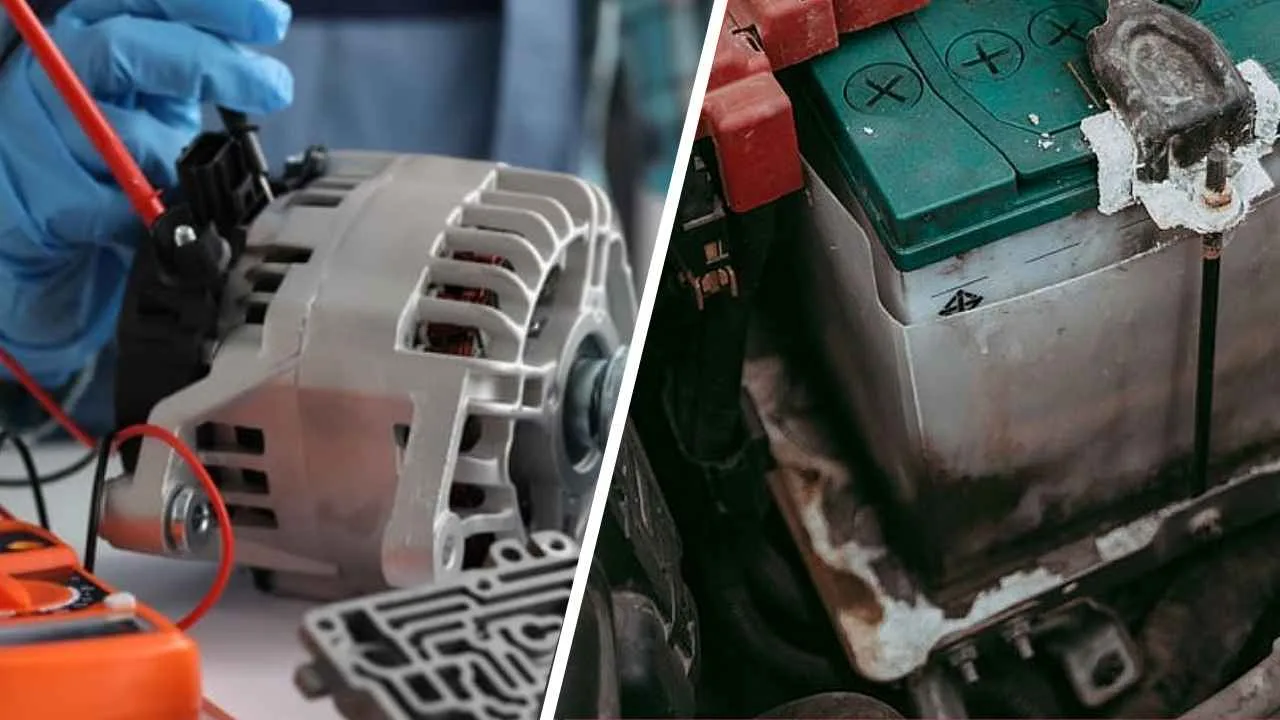
Alternator vs Battery: How to Tell the Difference is a question many drivers face when their car suddenly won’t start or begins showing electrical issues. Both the alternator and the battery are essential parts of your vehicle’s electrical system, and when something goes wrong, it can be difficult to identify the real cause. Knowing how to tell the difference can save you time, money, and unnecessary repairs.
In this guide, we’ll break down how each component works, the key differences between them, common symptoms of failure, and simple ways to diagnose the problem.
Understanding the Battery and Alternator
Before diving into differences, it’s important to understand what each component does.
What Does a Car Battery Do?
The battery provides the initial electrical power needed to start your car. It sends energy to the starter motor and powers electronics when the engine is off.
- Supplies power during ignition
- Supports electrical systems when the engine is off
- Stores energy for vehicle use
What Does an Alternator Do?
The alternator generates electricity while the engine is running. It recharges the battery and powers the car’s electrical systems.
- Charges the battery continuously
- Powers lights, radio, and other electronics
- Maintains electrical stability
Alternator vs Battery: How to Tell the Difference
Although both components work together, their failure symptoms are different. Recognizing these differences is key to proper diagnosis.
Signs of a Bad Battery
- Engine cranks slowly or won’t start
- Clicking sound when turning the key
- Dim headlights when starting
- Electrical systems fail when engine is off
Signs of a Bad Alternator
- Battery warning light on dashboard
- Lights dim while driving
- Electrical systems malfunction during operation
- Car stalls after starting
The key difference: a bad battery prevents the car from starting, while a bad alternator causes problems after the car is running.
Common Causes of Battery and Alternator Failure
Battery Failure Causes
- Old age (typically 3–5 years lifespan)
- Extreme temperatures
- Leaving lights on
- Corroded terminals
Alternator Failure Causes
- Worn-out bearings
- Faulty voltage regulator
- Broken drive belt
- Electrical overload
Step-by-Step Diagnosis: Battery or Alternator?
1. Try Starting the Car
If the engine doesn’t crank or makes clicking sounds, the battery is likely the issue.
2. Jump-Start the Vehicle
- If the car starts and runs fine, the battery may be weak
- If it stalls after a while, the alternator may be faulty
3. Check Dashboard Warning Lights
A battery warning light often indicates alternator problems.
4. Test Voltage
- Battery should read around 12.6 volts when off
- With engine running, it should read 13.7–14.7 volts
5. Observe Electrical Behavior
- Flickering lights point to alternator issues
- No power at all points to battery problems
Real-World Examples and Practical Tips
Here are common scenarios drivers face:
- A driver replaced the battery, but the car kept dying—later found to be a faulty alternator
- Another experienced slow starting, which was solved by replacing an old battery
- Flickering headlights while driving indicated alternator failure
Understanding these patterns can help you diagnose issues faster.
Common Mistakes to Avoid
- Replacing the battery without testing the alternator
- Ignoring warning lights
- Assuming the problem is always the battery
- Skipping regular electrical system checks
Avoiding these mistakes can prevent unnecessary expenses.
Safety Tips and Important Warnings
- Do not ignore electrical issues while driving
- A failing alternator can cause sudden engine shutdown
- Always disconnect the battery before working on electrical components
- Use proper tools when testing voltage
Electrical system failures can affect both safety and performance.
Prevention and Long-Term Maintenance
Regular Battery Checks
- Test battery health annually
Inspect Charging System
- Check alternator output regularly
Keep Terminals Clean
- Remove corrosion to ensure proper connection
Avoid Electrical Overload
- Limit excessive use of accessories
Routine maintenance helps extend the life of both components.
Conclusion
Alternator vs Battery: How to Tell the Difference comes down to understanding how each component behaves when it fails. A bad battery usually prevents your car from starting, while a failing alternator causes issues while driving.
By recognizing the warning signs and following simple diagnostic steps, you can quickly identify the problem and avoid unnecessary repairs. Staying proactive with maintenance ensures your car’s electrical system remains reliable.
Frequently Asked Questions
1. How do I know if my alternator or battery is bad?
If the car won’t start, it’s likely the battery. If it stalls while driving, it may be the alternator.
2. Can a bad alternator drain a battery?
Yes, a faulty alternator can fail to recharge the battery, causing it to drain.
3. Will a car run with a bad alternator?
It may run briefly, but it will eventually stall once the battery is drained.
4. How long does a car battery last?
Most car batteries last between 3 to 5 years.
5. Can I replace a battery myself?
Yes, replacing a battery is usually simple, but proper safety precautions are required.


