Engine Power Reduced Chevy Impala: Causes, Symptoms & Fixes
The Chevy Impala, a full-size car known for its comfort and reliability, may encounter an issue known as “engine power reduced.” This situation can lead to diminished performance, making it essential for drivers to understand its causes and remedies.
What Does “Engine Power Reduced Chevy Impala” Mean?
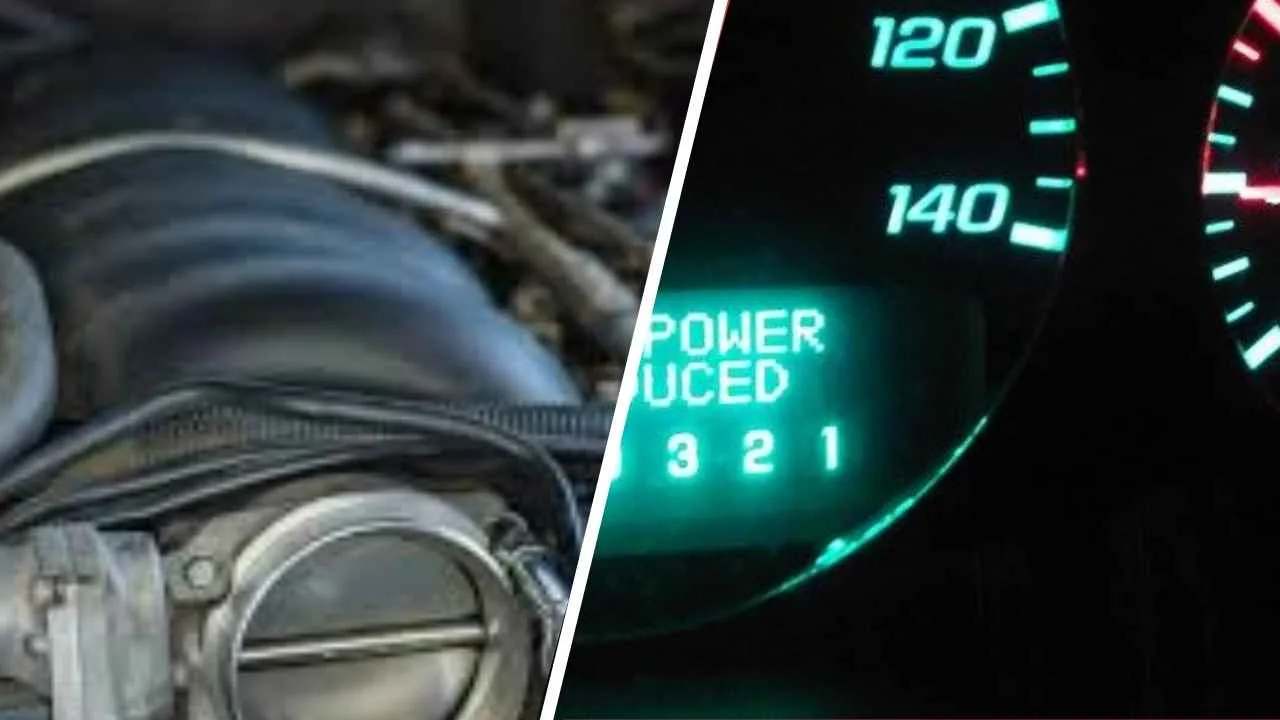
When a car displays the message “engine power reduced,” it indicates that the vehicle’s engine control unit (ECU) has detected a problem that affects engine performance. In response, the ECU limits engine power to prevent potential damage. This safety feature is intended to protect the vehicle and its components.
Common Symptoms
Drivers may notice several signs when their Chevy Impala experiences reduced engine power:
-
- Warning Light: A dashboard warning light may illuminate.
-
- Decreased Acceleration: The car may struggle to accelerate or maintain speed.
-
- Rough Idling: The engine might idle unevenly or stall.
-
- Unusual Noises: Sounds such as coughing or sputtering could be present.
Common Causes of Engine Power Reduction
Several factors can lead to a reduced engine power condition in a Chevy Impala. Identifying the cause can help in finding the right solution.
1. Throttle Issues
The throttle controls how much air enters the engine. A malfunctioning throttle body—often due to dirt or wear—can restrict airflow, leading to reduced power.
Example Scenario:
If a driver notices that their vehicle is slow to respond to accelerator input, it might be due to a faulty throttle body that needs cleaning or replacement.
2. Engine Sensors
Modern vehicles rely on various sensors to monitor engine performance. A malfunctioning sensor, such as the mass airflow sensor (MAF) or oxygen sensor, can send incorrect information to the ECU, triggering power reduction.
Example Scenario:
If a sensor detects an abnormal reading, the ECU may limit power to protect the engine. A technician can diagnose this issue through a diagnostic scan.
3. Transmission Problems
The transmission system transmits power from the engine to the wheels. If there are issues, such as slipping or overheating, it may affect performance.
Example Scenario:
A driver experiences delayed shifting or finds the car jerking during acceleration. These symptoms may indicate transmission problems, which can lead to reduced engine power.
4. Fuel System Issues
The fuel system, comprising the fuel pump, injectors, and filters, is crucial for optimal engine performance. Any obstructions or malfunctions can restrict fuel flow.
Example Scenario:
If a driver runs low on fuel frequently or doesn’t use the correct fuel type, it can clog filters or damage the fuel pump, leading to power reduction.
Diagnosing the Problem
When faced with “engine power reduced” messages, drivers should consider visiting a mechanic. Here are some steps typically involved in the diagnosis:
-
- Check for Error Codes: Mechanics will use an OBD-II scanner to retrieve error codes from the ECU, identifying potential issues.
-
- Visual Inspection: Inspecting the throttle body, sensors, and fuel lines for visible damage or wear.
-
- Performance Tests: Conducting tests to evaluate engine and transmission performance under different conditions.
Solutions and Recommendations
Addressing reduced engine power often depends on the diagnosed problem. Here are some general solutions:
1. Cleaning or Replacing Components
Regular maintenance, such as cleaning the throttle body and replacing worn sensors, can restore engine performance.
2. Tune-Ups
Routine tune-ups, including spark plug replacements and fuel injector cleaning, enhance overall engine efficiency and can prevent issues before they arise.
3. Fuel Quality
Using high-quality fuel and changing fuel filters regularly can help maintain proper fuel flow and prevent sediment buildup.
4. Professional Help
If issues persist despite basic troubleshooting, seeking professional assistance ensures a proper diagnosis and repair. Qualified technicians can provide insights and service to rectify the issue effectively.
Conclusion
Experiencing “engine power reduced” in a Chevy Impala can be concerning for drivers. Understanding the possible causes and symptoms empowers owners to take action. Timely diagnosis and regular vehicle maintenance can help maintain engine health and avoid such issues down the road. By staying informed, drivers can enjoy the full performance potential of their Chevy Impala.