
Caravan Living for Families: 11 Real Pros and Cons You Must Know Before You Start
Living in a caravan can be an enticing option for many families looking for adventure, flexibility, and the simplicity of a minimalist lifestyle. This article will explore the ins and outs of caravan living, examining both its advantages and disadvantages. By understanding the pros and cons, you can make an informed decision about whether this lifestyle is the right choice for your family.
Understanding Caravan Living
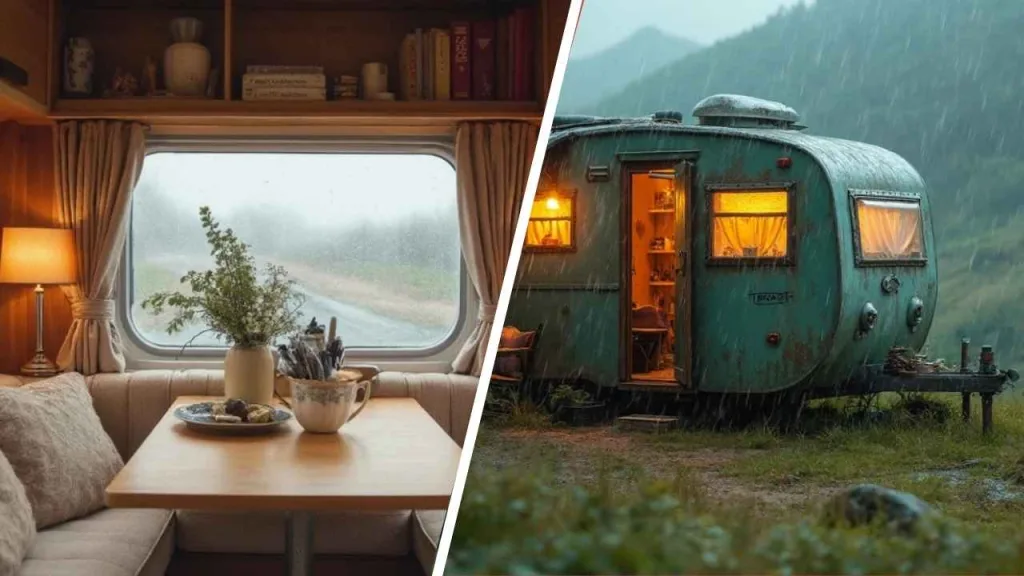
Caravan living refers to residing in a mobile home or caravan, which allows individuals or families to travel and explore different locations while maintaining a home-like environment. Caravans come in various styles and sizes, from compact units designed for weekend trips to larger, more spacious models suitable for full-time use.
For families, this lifestyle can mean new experiences, a closer connection to nature, and an opportunity to build stronger relationships. However, it also comes with challenges, including limited space and the need for adaptability. Understanding the concept of caravan living is crucial for determining if it’s a suitable option for your family.
Importance of Caravan Living for Families
Caravan living serves multiple purposes, especially for families. It offers:
-
- Adventure and Exploration: Families can explore new places, cultures, and environments together.
-
- Cost-effective Options: Living in a caravan can be significantly cheaper than traditional home ownership or renting, especially when considering housing market trends.
-
- Quality Family Time: Traveling in a caravan encourages families to spend more time together, fostering bonding and shared experiences.
-
- Minimalist Lifestyle: With limited space, families can learn to prioritize what they truly need, leading to less clutter and stress.
The importance of caravan living lies not just in the physical space it provides but also in the lifestyle changes it promotes. Families are increasingly seeking out ways to build lasting memories through shared experiences, making caravan living an appealing option.
Benefits of Caravan Living for Families
When considering caravan living, it’s essential to weigh the benefits against the challenges. Here are some advantages families may enjoy:
Flexibility and Freedom
One of the standout benefits of caravan living is flexibility. You can pack your things and move to a new location whenever you wish. Whether it’s a beach setting, a mountain retreat, or a quaint rural area, you have the freedom to choose your backdrop.
Cost Savings
Living in a caravan can often be less expensive than maintaining a traditional home. You save on utilities and property taxes, and many caravan parks offer affordable monthly rates. This can free up financial resources for other areas, such as travel, education, or recreation.
Closer to Nature
Most caravans are designed to be used outdoors, allowing families to enjoy nature. Hiking, swimming, and outdoor games become part of everyday life. Children benefit from this environment, gaining a sense of adventure and appreciation for the world around them.
Building Stronger Bonds
Caravan living encourages interaction. With limited space, family members are likely to spend more time together, leading to stronger bonds. Whether you’re cooking dinner in the caravan or sitting around a fire outside, shared experiences foster closeness.
Educational Opportunities
For families with school-age children, caravan living offers unique educational experiences. Traveling can serve as a form of hands-on learning. Nature studies, history lessons, and even economics can be learned on the road.
Community and Socialization
Many caravan parks foster a sense of community among residents, making it easier for families to meet other like-minded individuals. This social aspect can benefit both parents and children, offering opportunities for friendships and shared activities.
Step-by-Step Guide: How Caravan Living Works
If you’re considering caravan living for your family, here’s a step-by-step guide to help you navigate this lifestyle change.
1. Research Your Options
Start by researching different types of caravans to find one that fits your family’s needs. Consider space, amenities, and budget. Various websites offer reviews and comparisons.
2. Budgeting
Create a detailed budget that includes the purchase of the caravan, insurance, fuel, and maintenance costs. Factor in extra savings for campsites and any unexpected expenses.
3. Choose Your Locations
Plan a list of destinations that interest your family. Historical sites, national parks, and beaches can all offer unique experiences.
4. Ensure Safety and Compliance
Familiarize yourself with local laws relating to caravan living, staying at caravan parks, and traveling with children. Ensure your caravan is safe and compliant with road regulations.
5. Declutter and Pack Wisely
Embrace the minimalist lifestyle by decluttering. Pack only essential items, keeping in mind that storage space is limited in a caravan.
6. Plan Your Travel
Consider your travel routes and hours on the road. Balance travel time with downtime, ensuring the journey is enjoyable for everyone.
7. Stay Flexible
Finally, maintain a flexible attitude. Unexpected changes may happen along the way, and adaptability will help your family enjoy the journey.
Tips for Successful Caravan Living
While caravan living can be rewarding, implementing a few essential tips can enhance the experience for your family.
Maximize Space Usage
Utilize storage solutions effectively. Use under-bed storage, hanging organizers, and multi-functional furniture to keep your caravan organized and clutter-free.
Involve the Whole Family
Involve all family members in decision-making, from choosing destinations to packing. When everyone has a say, it creates a stronger sense of ownership.
Connect with Other Caravanners
Join online forums or social media groups focused on caravan living. These communities can offer valuable advice, tips, and friendship.
Prepare for Downtime
Caravan living allows for various daily activities, but be prepared for times when you may have to wait or relax. Bring books, games, or arts and crafts supplies to keep children occupied during downtime.
Institute Routines
Even while traveling, establishing some daily routines can create a sense of normalcy for children. Whether it’s a morning circle time or evening story sessions, consistency helps.
Maintain the Caravan
Regular maintenance is crucial. Check things like tire pressure, water systems, and appliances frequently to avoid issues on the road.
Common Mistakes to Avoid
As exciting as caravan living can be, families may make several common mistakes. Being aware of these can help you avoid pitfalls.
Skimping on Research
Many families jump into caravan living without thorough research. Ensure you understand the costs, maintenance, and lifestyle changes involved.
Overpacking
It’s easy to want to bring everything along, especially for children. Remember, space is limited! Aim to pack only necessities and leave room for souvenirs.
Ignoring Safety
Failing to properly secure items within the caravan can lead to accidents while traveling. Prioritize safety in your packing and travel plans.
Neglecting to Plan
While spontaneity is part of the adventure, a lack of planning can lead to stress. Have a rough itinerary to avoid last-minute decisions that may not suit your family.
Forgetting to Budget
Many families underestimate the overall cost of caravan living. Keep detailed budgets, and remember to save for emergencies or unexpected expenses.
FAQs About Caravan Living for Families
Is caravan living safe for families?
Yes, caravan living is generally safe for families, especially in designated camping areas. However, it’s essential to ensure the caravan is well-maintained and to follow safety guidelines.
How do families handle schooling while living in a caravan?
Families often pursue alternative educational methods, such as online schooling or homeschooling, while traveling. Learning can become experiential, allowing children to explore nature and history firsthand.
What type of caravan is best for families?
The ideal caravan depends on your family size, needs, and budget. Look for a caravan with enough sleeping space and amenities such as a kitchen and bathroom.
How do you find caravan parks?
You can find caravan parks through online directories, travel apps, and community recommendations. Many caravan-specific websites offer reviews and comparisons to help you choose the right park.
What are the costs associated with caravan living?
Costs vary widely based on the purchase or rental of the caravan, maintenance, fuel, campsite fees, and insurance. A comprehensive budget will help you plan effectively.
Conclusion: Is Caravan Living Worth It for Families?
Ultimately, whether caravan living is worth it for families depends on personal preferences, values, and lifestyle goals. There are undeniable benefits—rich experiences, quality family time, and cost savings. However, challenges such as space limitations and adapting to a constantly changing environment must also be considered.
As with any significant lifestyle change, it’s essential to weigh both pros and cons, preparing thoroughly for the adventure ahead. If the thought of exploring the world as a family excites you, caravan living could very well be a rewarding decision for your family and a unique journey worth embarking on. With the right mindset, tips, and preparation, you can transform your family’s life through the joys of caravan living.


