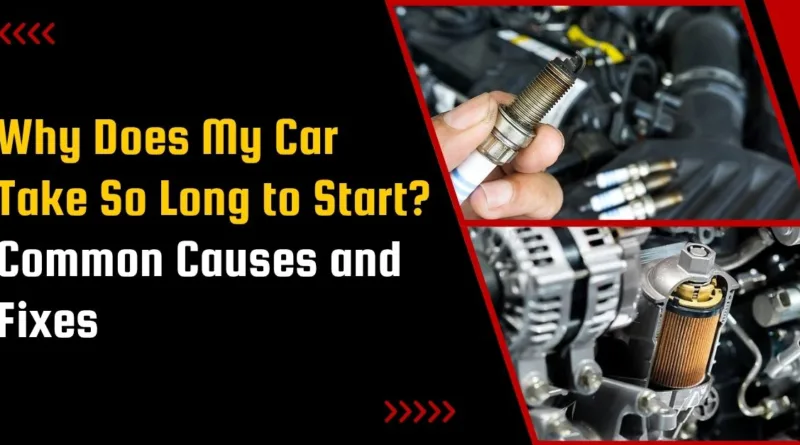
Why Does My Car Take So Long to Start? Common Causes and Fixes
Why Does My Car Take So Long to Start? Common Causes and Fixes
If you find yourself waiting several seconds before your engine finally starts, you may be wondering, “Why does my car take so long to start?” A vehicle that cranks longer than normal is often giving you an early warning that something needs attention. Sometimes the cause is simple, such as a weak battery or a dirty air filter. In other cases, the problem can involve the fuel system, ignition system, sensors, starter motor, or charging system.
A slow-starting car should not automatically be treated as a major engine problem. The important thing is to notice how the vehicle struggles to start. Does the engine crank slowly? Does it crank at normal speed but take several seconds to fire? Does the problem happen only when the engine is cold? These details can help narrow down the cause.
This guide explains the most common reasons a car takes too long to start, the warning signs to watch for, how the problem can be diagnosed, and what you can do to prevent a small starting issue from becoming an expensive repair.
Why Does My Car Take So Long to Start?
When you turn the key or press the start button, several systems have to work together. The battery supplies electrical power, the starter motor turns the engine, the fuel system delivers fuel, the ignition system creates the spark on gasoline engines, and the engine computer uses information from various sensors to control the starting process.
If any one of these systems isn’t working correctly, the engine may take longer than normal to start.
There are two important situations to distinguish:
- The engine cranks slowly: The starter turns the engine sluggishly or you hear a slow “rrr-rrr-rrr” sound.
- The engine cranks normally but takes a long time to fire: The starter sounds normal, but the engine doesn’t actually start for several seconds.
These symptoms point toward different problems. Slow cranking usually makes the battery, battery connections, starter motor, or engine-related mechanical issues more suspicious. Normal-speed cranking followed by delayed starting can point toward fuel delivery, ignition, sensors, or electronic control problems.
1. Weak or Aging Car Battery
A weak battery is one of the first things to consider when a car takes too long to start.
The battery has to provide a large amount of current to the starter motor. As a battery ages, its ability to deliver that current can decrease. The battery may still operate lights, the radio, and other accessories, yet struggle to provide enough power for a strong engine start.
You may notice:
- The engine cranks more slowly than it used to.
- The headlights become noticeably dim while starting.
- The car starts more easily after driving for a long period.
- The vehicle struggles more on cold mornings.
- You occasionally hear clicking when trying to start.
Battery problems can become especially noticeable during very cold weather because low temperatures reduce available battery performance.
What to Do
Have the battery tested rather than replacing it based only on its age. A proper battery test can determine whether it can still deliver sufficient starting power.
2. Corroded or Loose Battery Terminals
Even a good battery can struggle to start the engine if its electrical connections are poor.
Battery terminals can develop corrosion over time. Loose terminals or damaged battery cables can also increase electrical resistance.
Look for white, blue, or greenish buildup around the battery connections. However, don’t assume that visible corrosion is always the cause. Electrical connections should be inspected and tested properly.
A poor connection can produce symptoms similar to a weak battery, including slow cranking, intermittent starting, or complete failure to start.
3. Failing Starter Motor
The starter motor is responsible for turning the engine when you start the car. If the starter begins to wear out, it may struggle to turn the engine quickly enough.
A failing starter can produce different symptoms depending on the problem.
- Slow or sluggish engine cranking
- Clicking sounds
- Intermittent starting
- Grinding or unusual noises during startup
- Starter working normally one time and struggling the next
If the battery tests healthy and the electrical connections are good, the starter becomes a stronger suspect.
4. Fuel Pressure Problems
If the engine cranks at normal speed but takes several seconds to actually start, the fuel system deserves attention.
Your engine needs the correct amount of fuel at the right pressure. A weak fuel pump, restricted fuel filter, faulty fuel-pressure regulator, or leaking fuel injector can interfere with this process.
One common pattern is a vehicle that takes a long time to start after sitting overnight but starts more quickly after it has been driven.
If fuel pressure drops while the vehicle is parked, the system may need additional cranking time to build pressure again.
A technician can test fuel pressure and determine whether the system is maintaining the pressure required by the vehicle manufacturer.
5. Faulty Fuel Pump
The fuel pump supplies fuel from the tank to the engine. When it begins to fail, starting problems can appear before the vehicle stops running completely.
Possible symptoms include:
- Long cranking before the engine starts
- Engine hesitation
- Loss of power during acceleration
- Engine stalling
- Whining noise from the fuel tank area
- Difficulty starting when the fuel tank is low
A fuel pump doesn’t always fail suddenly. Gradual performance problems can make diagnosis more difficult, so fuel pressure testing is often more useful than simply replacing parts.
6. Dirty or Faulty Fuel Injectors
Fuel injectors have to deliver fuel accurately into the engine. Dirty or malfunctioning injectors can disrupt the air-fuel mixture and make starting more difficult.
A vehicle with injector problems may also experience rough idling, hesitation, reduced fuel economy, or misfires.
However, don’t assume that every long-starting problem is caused by dirty injectors. Proper diagnosis is important because similar symptoms can come from sensors, fuel pressure, ignition components, or other systems.
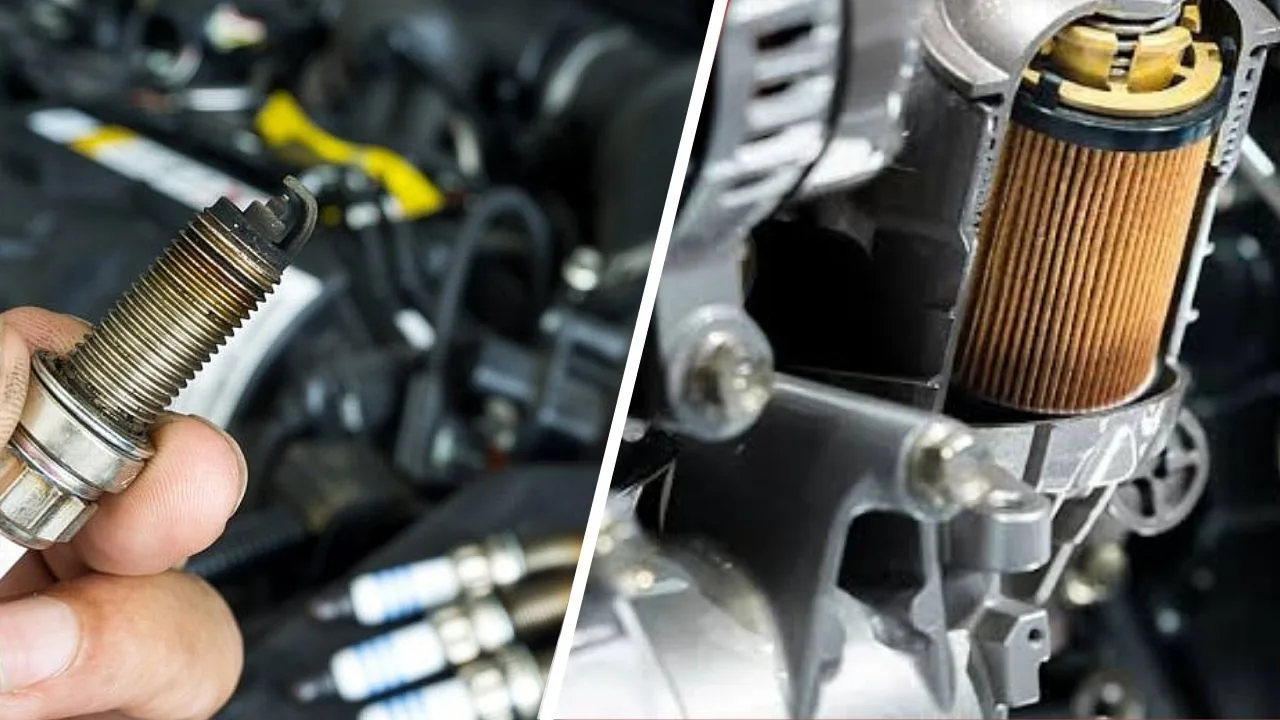
7. Worn or Faulty Spark Plugs
Gasoline engines need a strong spark to ignite the air-fuel mixture. Spark plugs gradually wear and can become contaminated.
Worn spark plugs can cause:
- Hard starting
- Rough idle
- Engine misfires
- Reduced acceleration
- Poor fuel economy
If your vehicle has accumulated significant mileage and the spark plugs are overdue for replacement, they should be inspected according to the manufacturer’s maintenance schedule.
8. Bad Ignition Coils
Ignition coils provide the high voltage needed to create a spark at the spark plugs. A weak or failing coil can cause starting problems and engine misfires.
In some cases, the vehicle may start normally but run roughly afterward. You may also see a check-engine light.
If the engine is cranking normally but struggles to fire, ignition components should be included in the diagnostic process.
9. Faulty Crankshaft Position Sensor
The engine computer needs accurate information about crankshaft position and speed. The crankshaft position sensor provides critical information used to control fuel injection and ignition timing.
If the sensor begins to fail, the engine may take longer to start or may not start at all.
Possible symptoms include:
- Extended cranking
- Intermittent starting problems
- Engine stalling
- Check-engine light
- Occasional no-start condition
Sensor problems can sometimes be intermittent, making them difficult to diagnose without appropriate scan and electrical testing.
10. Faulty Coolant Temperature Sensor
Your vehicle’s engine computer needs to know the engine temperature so it can adjust fuel delivery appropriately.
If the coolant temperature sensor sends incorrect information, the engine may receive an inappropriate fuel mixture during startup.
This can be particularly noticeable when the engine is cold.
If the car consistently takes longer to start first thing in the morning but starts normally once warm, temperature-related sensors should be considered during diagnosis.
11. Dirty Throttle Body
The throttle body controls the amount of air entering the engine. Over time, deposits can accumulate around the throttle plate and affect airflow.
A dirty throttle body may contribute to difficult starting, rough idle, hesitation, or unstable engine speed.
Modern electronic throttle systems can be particularly sensitive to contamination or faults, so cleaning procedures should follow the vehicle manufacturer’s recommendations.
12. Clogged Air Filter
The engine needs both fuel and air to operate properly. A severely restricted air filter can reduce airflow into the engine.
A moderately dirty filter usually isn’t enough to cause severe starting problems on modern vehicles, but a heavily restricted filter can contribute to poor engine performance.
Checking the air filter is simple and inexpensive, which makes it worth inspecting during routine maintenance.
13. Problems With the Fuel Pressure Regulator
The fuel system needs to maintain the correct pressure. A faulty fuel pressure regulator can cause pressure to become too high or too low.
Depending on the design of the vehicle, symptoms may include long cranking, rough running, poor fuel economy, black exhaust smoke, or poor performance.
Because several fuel-system problems can create similar symptoms, testing fuel pressure and following the manufacturer’s diagnostic procedure is preferable to replacing the regulator without confirmation.
14. Vacuum Leaks
A vacuum leak allows unmetered air to enter the engine. This can upset the air-fuel mixture and contribute to difficult starting or rough running.
Other symptoms may include:
- High or unstable idle
- Hissing sounds
- Engine hesitation
- Check-engine light
- Poor fuel economy
Cracked hoses, damaged intake components, and faulty seals can all be potential sources of unwanted air entry.
15. Extreme Weather
Weather can make a marginal starting problem much more obvious.
Cold temperatures make engine oil thicker and reduce battery performance. This increases the amount of effort required to start the engine.
Hot weather can also create starting issues in certain vehicles, particularly when fuel-system or electrical components are sensitive to heat.
If your car only takes a long time to start under specific weather conditions, tell the mechanic exactly when the problem occurs. That information can be extremely useful for diagnosis.
How to Diagnose a Car That Takes Too Long to Start
Instead of immediately replacing parts, start by identifying exactly what the engine is doing.
Step 1: Listen to the Cranking Sound
Does the starter turn the engine slowly or at normal speed?
Slow cranking points more toward the battery, connections, starter, or mechanical resistance. Normal cranking with delayed ignition points more toward fuel, spark, sensors, or engine-management systems.
Step 2: Check the Battery
Test the battery’s condition and starting capability. Don’t rely solely on dashboard electronics or whether the headlights turn on.
Step 3: Check the Charging System
If the battery repeatedly becomes weak, test the alternator and charging system. A battery that isn’t being properly recharged can cause recurring starting problems.
Step 4: Scan for Diagnostic Trouble Codes
A diagnostic scanner can reveal stored fault codes related to sensors, ignition, fuel control, or other systems.
Keep in mind that a stored code doesn’t always identify the failed component directly. It should be interpreted alongside other test results.
Step 5: Test Fuel Pressure
If the engine cranks normally but takes too long to start, fuel pressure testing can help determine whether the fuel system is delivering and retaining the required pressure.
Step 6: Inspect Ignition Components
On gasoline engines, inspect spark plugs, ignition coils, and related components when the symptoms suggest an ignition problem.
What Should You Do If Your Car Takes Longer to Start in the Morning?
If the problem happens mainly after the vehicle sits overnight, don’t ignore it.
Pay attention to whether:
- The engine cranks slowly in the morning.
- The engine cranks normally but takes several seconds to fire.
- The problem improves after driving.
- You smell fuel before starting.
- The problem occurs only in cold weather.
These clues can help distinguish between battery, fuel-pressure, ignition, and temperature-related problems.
Common Mistakes to Avoid
Don’t Immediately Replace the Battery
A slow start doesn’t automatically mean the battery is bad. Test it first.
Don’t Keep Cranking the Engine Repeatedly
Repeated long cranking can place additional strain on the battery and starter. If the engine doesn’t start after reasonable attempts, stop and investigate the cause.
Don’t Ignore a Check-Engine Light
If the check-engine light appears together with hard starting, scan the vehicle and investigate the underlying problem.
Don’t Replace Multiple Parts Without Diagnosis
Replacing spark plugs, fuel pumps, batteries, sensors, and starters one after another can become expensive quickly. A systematic diagnosis is usually more efficient.
Can a Long-Starting Problem Damage Your Car?
The occasional slightly longer start isn’t necessarily an emergency. However, repeatedly cranking the engine for long periods can put additional stress on the battery and starter motor.
More importantly, difficult starting can be an early sign of a developing problem. A fuel-delivery issue, charging-system problem, ignition fault, or sensor failure may eventually leave you unable to start the vehicle.
If the starting time continues to increase, have the vehicle inspected rather than waiting for a complete no-start situation.
How to Prevent Starting Problems
Regular maintenance can reduce the likelihood of starting problems.
- Follow the manufacturer’s battery and maintenance recommendations.
- Replace spark plugs at the recommended intervals.
- Keep battery terminals and connections in good condition.
- Replace the engine air filter when required.
- Use the correct engine oil for the vehicle.
- Don’t ignore warning lights.
- Have recurring starting problems diagnosed early.
- Maintain the fuel system according to the manufacturer’s recommendations.
If the vehicle is regularly driven only for very short trips, pay particular attention to battery condition because the battery may not receive enough charging time between starts.
When Is a Long-Starting Car a Safety Concern?
A vehicle that takes longer to start isn’t always dangerous, but certain symptoms require more urgent attention.
Stop driving and seek professional assistance if you notice:
- A strong raw-fuel smell
- Fuel leaking from the vehicle
- Smoke from the engine compartment
- Burning electrical smells
- Repeated stalling
- Severe engine misfires
- A flashing check-engine light
- Unusual grinding noises during starting
Fuel leaks and serious electrical faults can create fire risks, while severe engine misfires can potentially damage emissions components.
Conclusion
If you’re asking, “Why does my car take so long to start?”, don’t assume there’s one universal answer. A slow or delayed start can come from a weak battery, poor electrical connections, a failing starter, fuel-pressure problems, worn spark plugs, ignition faults, sensors, a dirty throttle body, or several other issues.
The most important first step is to determine whether the engine is cranking slowly or cranking normally but taking too long to fire. That simple distinction can significantly narrow the list of possible causes.
If the problem happens repeatedly, don’t wait until the vehicle refuses to start completely. Have the battery, charging system, starting system, fuel system, and engine-management components checked as appropriate.
Finding a starting problem early is usually easier and less expensive than dealing with a vehicle that suddenly leaves you stranded. Pay attention to changes in starting behavior, keep up with routine maintenance, and get persistent problems properly diagnosed.
Frequently Asked Questions
1. Why does my car take several seconds to start?
A car may take several seconds to start because of a weak battery, fuel-pressure problem, worn spark plugs, faulty ignition components, a failing starter, or an engine sensor problem. The exact cause depends on whether the engine cranks slowly or at normal speed.
2. Can a bad battery cause my car to take a long time to start?
Yes. A weak battery may not provide enough current to turn the starter motor at the required speed. This usually sounds like slow or sluggish cranking, particularly during cold weather.
3. Why does my car take longer to start when it’s cold?
Cold weather reduces battery performance and increases engine resistance. If the problem is severe or occurs consistently, the battery, starting system, temperature sensors, fuel system, and ignition components should be inspected.
4. Can a bad fuel pump cause long cranking?
Yes. A weak fuel pump may fail to provide the required fuel pressure quickly enough. A fuel-pressure test can help determine whether the pump or another fuel-system component is responsible.
5. Should I worry if my car takes longer to start than it used to?
Yes, especially if the starting time is gradually increasing or the problem occurs repeatedly. It may be an early warning of a battery, starter, fuel, ignition, or sensor problem. Diagnosing it early can help prevent a complete no-start situation.