

Steering Wheel Shaking While Braking: Causes, Warning Signs, and Fixes
Steering Wheel Shaking While Braking: Causes, Symptoms, and How to Fix It
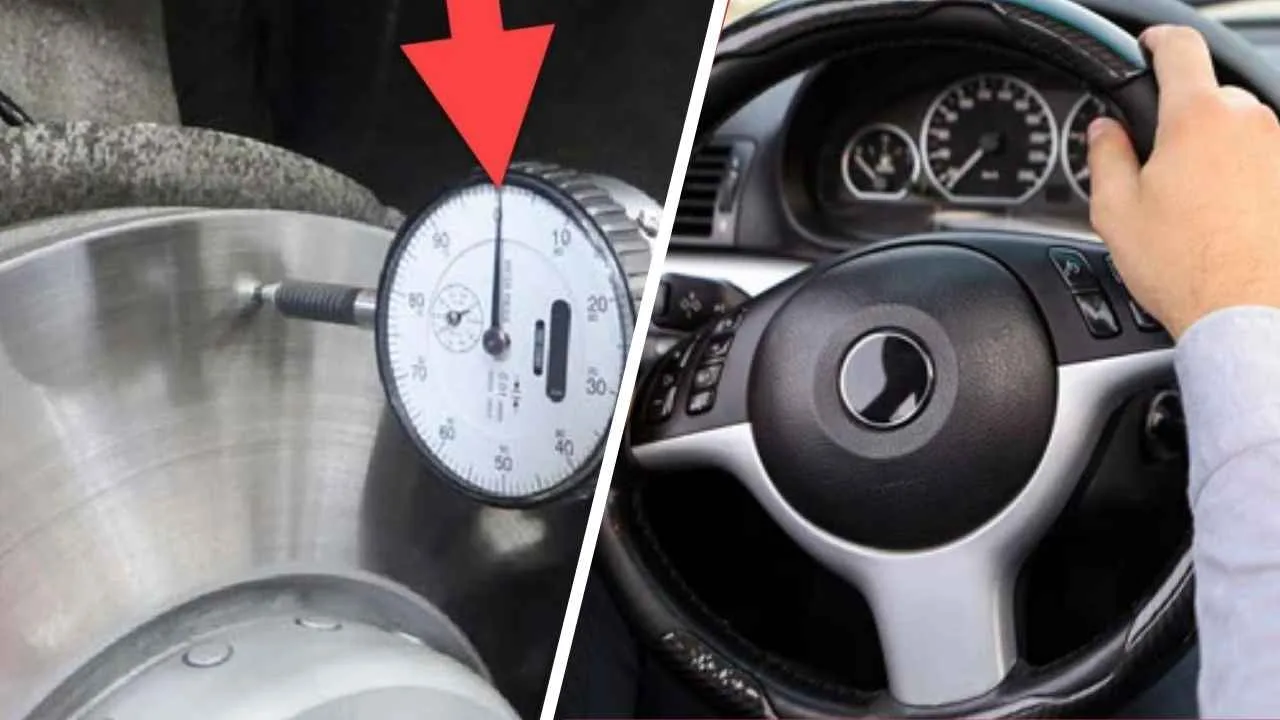
Steering Wheel Shaking While Braking Causes, Warning Signs, and FixesSteering Wheel Shaking While Braking is one of the most common vehicle problems drivers experience. If your steering wheel vibrates, shakes, or wobbles every time you press the brake pedal, it’s a warning sign that something in your braking or suspension system needs attention. While the issue may start as a minor annoyance, ignoring it can lead to reduced braking performance, uneven tire wear, and potentially expensive repairs.
Many drivers first notice the problem while slowing down from highway speeds. The steering wheel may tremble slightly at first, then gradually become more noticeable over time. In most cases, the cause can be traced to warped brake rotors, worn suspension components, tire issues, or wheel alignment problems.
This guide explains the most common causes of steering wheel shaking while braking, how to diagnose the issue, repair options, safety concerns, and preventative maintenance tips.
What Does Steering Wheel Shaking While Braking Mean?
When you apply the brakes, the brake pads press against the brake rotors to slow the vehicle. If the braking surfaces are uneven or other components are worn, vibrations can travel through the steering system and become noticeable in the steering wheel.
The severity of the vibration often depends on vehicle speed, braking force, and the condition of various suspension and steering components.
A small vibration today can become a serious handling issue tomorrow if left unresolved.
Most Common Causes of Steering Wheel Shaking While Braking
1. Warped Brake Rotors
Warped brake rotors are the leading cause of steering wheel vibration during braking.
Brake rotors can become uneven due to excessive heat, aggressive braking, towing heavy loads, or poor-quality brake components.
Symptoms:
- Steering wheel shakes when braking
- Brake pedal pulsation
- Vibration increases at higher speeds
- Uneven braking feel
As the warped rotor rotates, the brake pads make inconsistent contact with the rotor surface, causing noticeable vibrations.
2. Worn Brake Pads
Brake pads wear down over time. Uneven wear can create inconsistent braking force and contribute to steering wheel shaking.
Warning Signs:
- Squealing noises
- Grinding sounds
- Poor stopping performance
- Vibrations while braking
Replacing worn pads early can prevent damage to the rotors.
3. Sticking Brake Calipers
The brake caliper applies pressure to the brake pads.
If a caliper sticks, it can cause uneven braking force and excessive heat buildup.
Common Symptoms:
- Vehicle pulls to one side
- Uneven brake pad wear
- Burning smell after driving
- Steering wheel vibration
4. Worn Suspension Components
Suspension parts help stabilize the vehicle during braking and cornering.
Worn suspension components can amplify brake-related vibrations.
Parts That Often Cause Problems:
- Ball joints
- Tie rod ends
- Control arm bushings
- Shock absorbers
- Struts
5. Wheel Alignment Problems
Improper wheel alignment affects tire contact with the road.
Although alignment issues usually cause vibrations while driving, they can become more noticeable during braking.
Signs Include:
- Uneven tire wear
- Vehicle pulling left or right
- Crooked steering wheel
6. Tire Problems
Damaged or unevenly worn tires may contribute to steering wheel vibrations.
Potential Tire Issues:
- Flat spots
- Uneven tread wear
- Internal tire damage
- Out-of-balance wheels
7. Loose Steering Components
Loose steering system components can magnify vibrations generated during braking.
Even a minor amount of play in steering components can make vibrations feel much worse.
Symptoms:
- Loose steering feel
- Vehicle wandering
- Clunking noises
- Brake-related vibrations
8. Wheel Bearing Problems
Wheel bearings allow the wheels to rotate smoothly.
Worn bearings can create vibrations that become more noticeable when braking.
Warning Signs:
- Humming noise
- Grinding sounds
- Steering instability
- Wheel play
Key Symptoms That Often Accompany Steering Wheel Shaking
In addition to steering wheel vibration, drivers may notice:
- Brake pedal pulsation
- Squealing or grinding noises
- Vehicle pulling during braking
- Longer stopping distances
- Uneven tire wear
- Clunking suspension noises
- Shaking that worsens at highway speeds
How Mechanics Diagnose Steering Wheel Shaking While Braking
Step 1: Road Test
Technicians perform a road test to reproduce the symptoms and identify when the vibration occurs.
Step 2: Brake Rotor Inspection
Brake rotors are measured for runout and thickness variation.
Step 3: Brake Pad Examination
Brake pads are inspected for uneven wear and contamination.
Step 4: Suspension Inspection
Ball joints, tie rods, control arms, and bushings are checked for wear.
Step 5: Tire and Wheel Evaluation
Tires and wheels are inspected for damage, balance issues, and alignment problems.
Step-by-Step Solutions for Steering Wheel Shaking While Braking
1. Replace Warped Brake Rotors
Severely warped rotors should be replaced. In some cases, resurfacing may be possible if rotor thickness remains within specifications.
2. Install New Brake Pads
Brake pads should typically be replaced when new rotors are installed.
3. Repair Sticking Calipers
Calipers may need cleaning, rebuilding, or replacement.
4. Replace Worn Suspension Parts
Loose or worn suspension components should be repaired promptly.
5. Perform Wheel Alignment
Proper alignment improves handling and reduces tire wear.
6. Balance or Replace Tires
Damaged or unbalanced tires should be corrected.
Real-World Examples
A driver noticed severe steering wheel vibration only when braking from highway speeds. Inspection revealed warped front brake rotors caused by excessive heat buildup.
Another vehicle experienced shaking along with a pulling sensation. A sticking brake caliper was applying uneven braking pressure to one wheel.
In a third case, worn control arm bushings amplified a minor rotor vibration, making the problem feel much worse than it actually was.
Common Mistakes Drivers Make
- Ignoring minor brake vibrations
- Replacing pads without inspecting rotors
- Using low-quality brake parts
- Skipping wheel alignments
- Ignoring suspension wear
- Delaying brake system inspections
These mistakes often lead to larger repair bills later.
Safety Risks of Steering Wheel Shaking While Braking
While some causes are relatively minor, others can affect vehicle control and braking performance.
Potential Risks Include:
- Reduced stopping ability
- Uneven braking force
- Loss of steering precision
- Premature tire wear
- Suspension damage
- Increased accident risk
If the shaking becomes severe, have the vehicle inspected immediately.
How to Prevent Steering Wheel Shaking While Braking
Inspect Brakes Regularly
Routine brake inspections help catch problems before they become serious.
Avoid Excessive Hard Braking
Repeated hard stops generate excessive heat that can warp brake rotors.
Rotate Tires Regularly
Tire rotation promotes even wear and smoother operation.
Maintain Proper Wheel Alignment
Correct alignment reduces stress on tires and suspension components.
Replace Worn Parts Promptly
Addressing brake and suspension wear early helps prevent vibration issues.
Conclusion
Steering Wheel Shaking While Braking is usually a sign that something within the braking, suspension, steering, or tire system needs attention. While warped brake rotors are the most common cause, several other components can contribute to the problem.
The good news is that most causes can be diagnosed and repaired before they become major safety concerns. Paying attention to warning signs, maintaining your brake system, and scheduling regular inspections can help keep your vehicle safe, smooth, and comfortable to drive.
If your steering wheel shakes every time you brake, don’t ignore it. Early diagnosis can save money, improve safety, and prevent more extensive repairs in the future.
Frequently Asked Questions
1. What is the most common cause of steering wheel shaking while braking?
Warped brake rotors are the most common cause of steering wheel vibration during braking.
2. Can bad brake pads cause steering wheel shaking?
Yes. Unevenly worn brake pads can contribute to vibrations and braking irregularities.
3. Is it safe to drive with a shaking steering wheel while braking?
Minor vibrations may not be immediately dangerous, but the vehicle should be inspected as soon as possible.
4. Can wheel alignment cause steering wheel shaking when braking?
Alignment problems can contribute to vibrations, although brake issues are usually the primary cause.
5. How much does it cost to fix steering wheel shaking while braking?
Costs vary depending on the cause. Brake rotor and pad replacement is one of the most common repairs and is generally less expensive than major suspension repairs.


