
Car Delayed Acceleration When Pressing Gas: Causes, Fixes & Warning Signs
Car Delayed Acceleration When Pressing Gas: Causes, Fixes, and What You Should Do
Car Delayed Acceleration When Pressing Gas is a frustrating and potentially dangerous issue that many drivers experience at some point. You press the accelerator, expecting a smooth and immediate response—but instead, your car hesitates, struggles, or takes a moment to react. This delay can affect your driving confidence, especially when merging onto highways or overtaking other vehicles.
Understanding why this happens is the first step toward fixing it. In this guide, we’ll break down the causes, symptoms, and proven solutions to help you restore your car’s performance and safety.
What Does Delayed Acceleration Mean?
Delayed acceleration occurs when there is a noticeable lag between pressing the gas pedal and the car responding. Instead of smooth power delivery, the engine hesitates or feels sluggish.
This problem can be caused by issues in the fuel system, air intake, transmission, or electronic controls.
Common Causes of Car Delayed Acceleration When Pressing Gas
1. Dirty or Faulty Mass Air Flow (MAF) Sensor
The MAF sensor measures how much air enters the engine. If it’s dirty or malfunctioning, it can send incorrect data, leading to poor acceleration.
2. Clogged Fuel Injectors
Fuel injectors deliver fuel into the engine. When clogged, they restrict fuel flow, causing hesitation.
3. Faulty Throttle Body
The throttle body controls airflow into the engine. If it’s dirty or damaged, it can delay response.
4. Transmission Problems
Automatic transmission issues, such as slipping gears, can cause delayed acceleration.
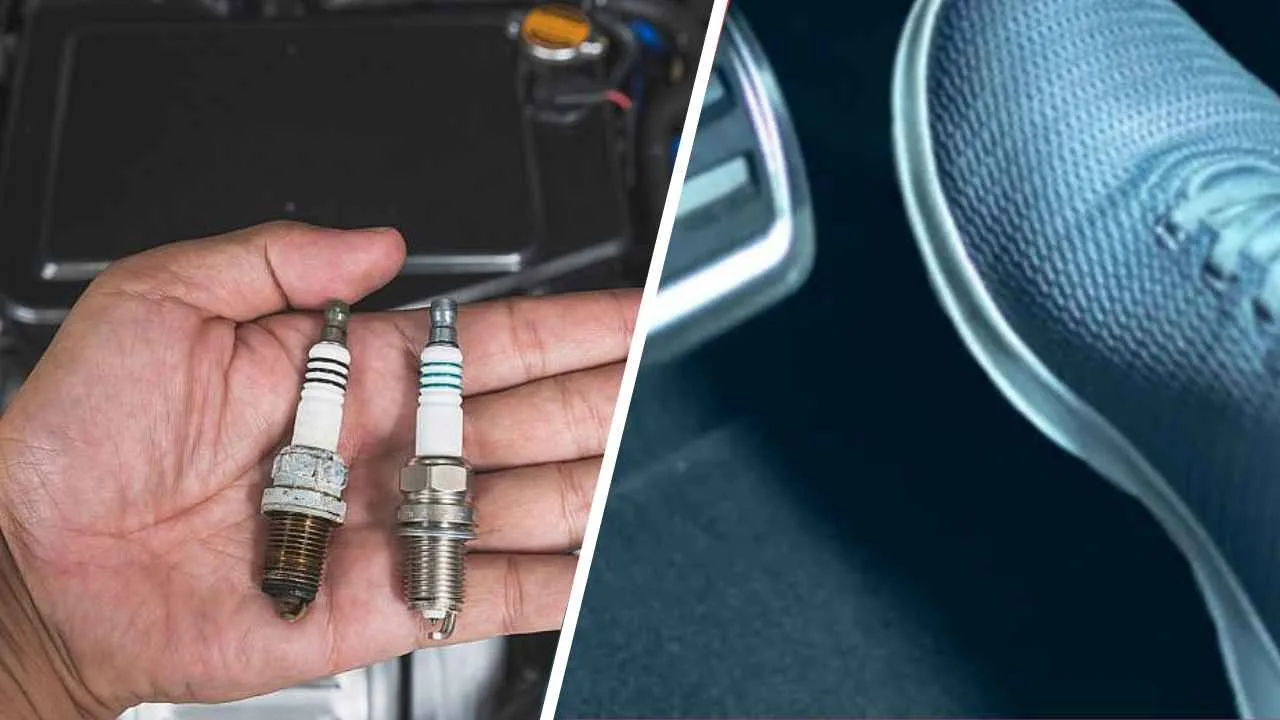
5. Worn Spark Plugs
Spark plugs ignite the fuel-air mixture. Worn plugs can lead to misfires and sluggish performance.
6. Fuel Pump Issues
A weak fuel pump may not supply enough fuel, causing hesitation.
7. Electronic Throttle Control Problems
Modern cars rely on electronic systems. Any malfunction can affect throttle response.
Symptoms of Delayed Acceleration
If your car has delayed acceleration, you may notice:
- Hesitation when pressing the gas pedal
- Slow response during overtaking
- Jerking or uneven acceleration
- Check engine light
- Poor fuel efficiency
These signs indicate that your car needs attention.
Step-by-Step Solutions to Fix Delayed Acceleration
1. Clean or Replace the MAF Sensor
- Use a proper MAF cleaner
- Replace if damaged
2. Clean Fuel Injectors
- Use fuel injector cleaner
- Consider professional cleaning
3. Inspect the Throttle Body
- Clean carbon buildup
- Check for damage
4. Check Transmission Fluid
- Ensure proper level and condition
- Replace if dirty or low
5. Replace Spark Plugs
- Follow recommended intervals
6. Test Fuel Pump
- Check fuel pressure
- Replace if weak
7. Run Diagnostic Scan
Use an OBD scanner to identify error codes.
Real-World Examples and Practical Tips
Here are common situations drivers face:
- A driver experienced hesitation due to a dirty MAF sensor—cleaning it restored performance
- Another had delayed acceleration caused by clogged injectors
- Low transmission fluid caused slipping and slow response
Small issues can create noticeable driving problems.
Common Mistakes to Avoid
- Ignoring early signs of hesitation
- Using low-quality fuel
- Skipping regular maintenance
- Replacing parts without proper diagnosis
Avoiding these mistakes can save money and prevent bigger issues.
Safety Tips and Important Warnings
- Delayed acceleration can be dangerous in traffic
- Avoid overtaking if the car hesitates
- Fix issues immediately to prevent accidents
- Seek professional help if unsure
Your safety depends on reliable acceleration.
Prevention and Long-Term Maintenance
Regular Engine Maintenance
- Replace filters and spark plugs on schedule
Use Quality Fuel
- Prevents injector clogging
Keep Sensors Clean
- Ensure accurate engine data
Check Transmission Regularly
- Maintain fluid levels and condition
Proper maintenance keeps your car running smoothly.
Conclusion
Car Delayed Acceleration When Pressing Gas is a clear sign that something isn’t working as it should. Whether it’s a sensor issue, fuel system problem, or transmission fault, identifying the cause early can prevent costly repairs and unsafe driving conditions.
By following the steps in this guide and staying proactive with maintenance, you can restore your car’s performance and enjoy a smooth driving experience again.
Frequently Asked Questions
1. Why does my car hesitate when I press the gas?
This is usually caused by fuel delivery issues, sensor problems, or transmission faults.
2. Can a dirty air filter cause delayed acceleration?
Yes, it can restrict airflow and reduce engine performance.
3. Is delayed acceleration dangerous?
Yes, especially when merging or overtaking vehicles.
4. How much does it cost to fix delayed acceleration?
Costs vary depending on the cause, but minor fixes are usually affordable.
5. Can low transmission fluid cause hesitation?
Yes, it can lead to slipping and delayed response.


