Car Battery Dying Symptoms: Warning Signs & Prevention Tips
A car battery is one of the most critical components of your vehicle. Without it, your car simply won’t start or function properly. Yet, many drivers ignore early warning signs of a dying battery until they’re stranded on the roadside. Understanding car battery dying symptoms can save you time, money, and frustration.
In this detailed guide, we’ll cover all the common and uncommon symptoms, why they happen, how to test your battery, and what to do before it completely fails.
Why a Healthy Car Battery Is So Important
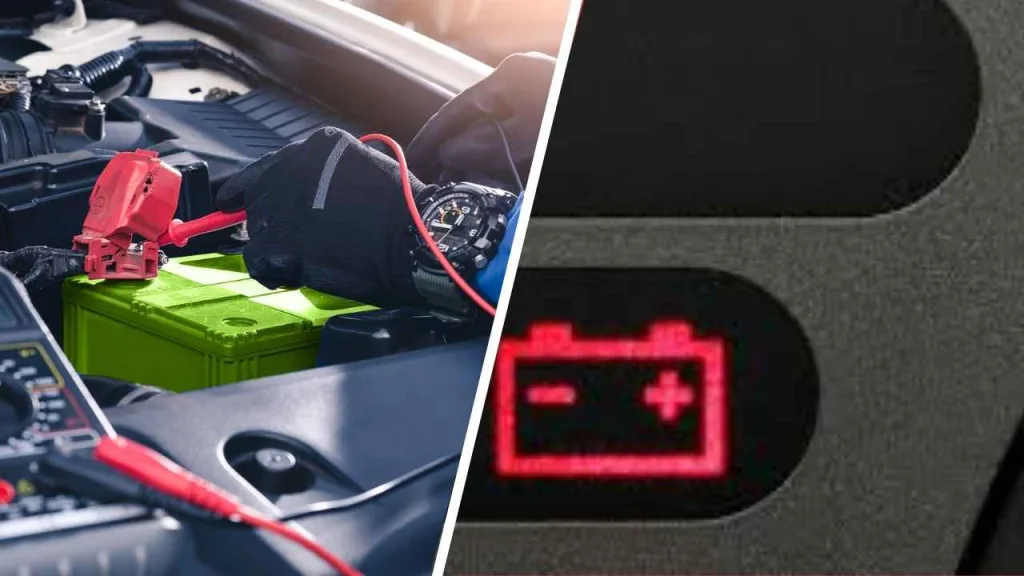
Your car battery does much more than just start the engine. It:
- Powers the starter motor
- Supplies electricity to lights, infotainment, and sensors
- Stabilizes voltage for electronic components
- Supports systems like ABS, airbags, and ECU
Modern vehicles rely heavily on electronics, meaning a weak battery can cause multiple system failures, not just starting issues.
How Long Does a Car Battery Usually Last?
On average, a car battery lasts:
- 3–5 years in moderate climates
- 2–3 years in extreme heat or cold
- Less if the vehicle is rarely driven or used for short trips only
Factors that shorten battery life include:
- Hot weather
- Frequent short trips
- Electrical accessories
- Poor maintenance
- Faulty alternator
Top Car Battery Dying Symptoms
1. Slow Engine Crank
One of the earliest and most noticeable symptoms is a slow or weak engine crank.
- Engine takes longer to start
- Starter sounds sluggish
- Clicking sound before starting
The battery can no longer supply enough power to turn the engine efficiently. If ignored, this often leads to a no-start situation.
2. Clicking Sound When Turning the Key
Rapid clicking or a single click when starting the car indicates your battery may be near failure.
3. Dim Headlights and Interior Lights
Dimming lights are a classic sign of a weak battery. This includes flickering dashboard lights and dim headlights.
4. Dashboard Warning Lights
Battery or check engine warning lights may appear due to voltage irregularities.
5. Electrical Accessories Malfunctioning
Random failures like power windows moving slowly or infotainment screens flickering are common.
6. Car Won’t Start Without a Jump
If your car frequently needs a jump-start, replacement is usually unavoidable.
7. Swollen or Bloated Battery Case
Extreme heat can damage the battery case, reducing capacity and risking leakage.
8. Rotten Egg or Sulfur Smell
Battery acid leakage produces a strong sulfur smell. This is hazardous and should not be ignored.
9. Corroded Battery Terminals
White, blue, or green powder on terminals indicates corrosion, which reduces electrical connection efficiency.
10. Battery Age Exceeding 3–5 Years
Even without obvious symptoms, an old battery may fail suddenly. Regular testing or replacement is advised.
Less Obvious Symptoms of a Dying Car Battery
- Keyless entry malfunction
- Start-stop system disabled
- Clock and trip meter resetting
- Remote locking delays
- Reduced fuel efficiency (ECU compensation issues)
What Causes Car Batteries to Die?
- Extreme temperatures
- Short trips
- Parasitic drain from faulty electronics
- Faulty alternator
- Leaving lights or accessories on
How to Test a Car Battery at Home
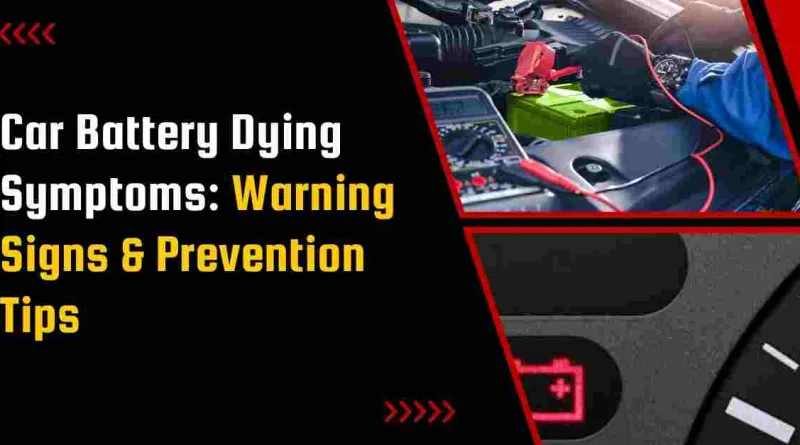
- Multimeter Test: Healthy battery 12.6V+, Weak 12.0–12.4V, Failing below 12V
- Headlight Test: Dim lights when starting indicate a weak battery
- Professional Load Test: Most auto parts stores offer free testing
Can You Drive With a Weak Battery?
Technically yes, but risks include sudden breakdowns, alternator damage, electronic failures, and loss of safety features. Driving with a dying battery is not recommended.
When Should You Replace Your Car Battery?
Replace your battery if:
- It fails a load test
- It’s over 4–5 years old
- Frequent starting issues occur
- Multiple electrical problems appear
Tips to Extend Car Battery Life
- Drive regularly
- Avoid short trips
- Turn off electronics before shutting down
- Keep terminals clean
- Park in shaded or covered areas
- Test battery annually
Cost of Replacing a Car Battery
- Standard battery: $100–$200
- AGM battery: $200–$350
- Labor: Often free with purchase
Replacing a battery is far cheaper than dealing with breakdowns or electrical damage.
Final Thoughts
Understanding car battery dying symptoms helps you act early and avoid inconvenient breakdowns. Most battery failures give warning signs—you just need to recognize them. Testing and replacing a weak battery early can save money and ensure reliable performance.