
Brake Fade Symptoms: Causes, Symptoms, and How to Fix It Safely
Driving is an essential part of life for many of us, whether you use your vehicle for commuting, family trips, or leisurely drives. Among the numerous mechanical concerns that can arise, one stands out due to its importance for safety and performance: brake fade. Understanding brake fade is crucial, as ignoring it can lead to severe accidents. This article will delve into what brake fade is, its common causes, symptoms, and most importantly, how to diagnose and solve it effectively.
What is Brake Fade Symptoms?
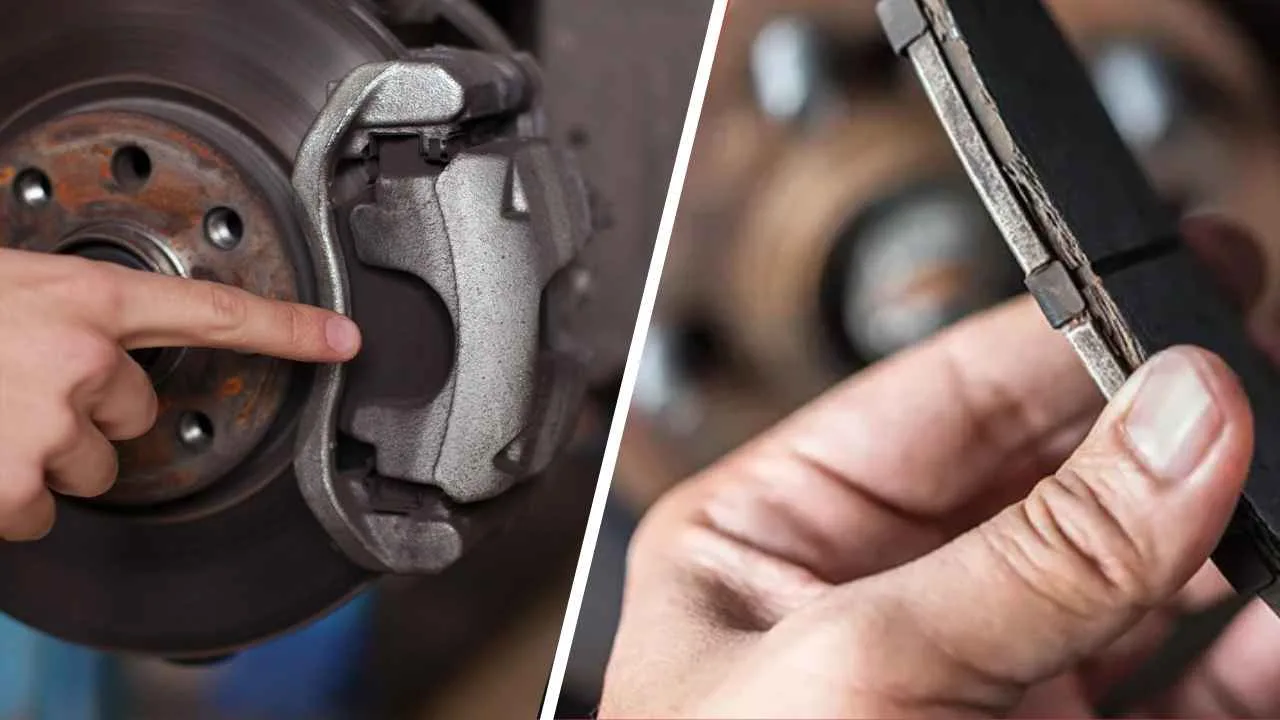
Brake fade is a reduction in the effectiveness of your vehicle’s brakes, which often occurs when undergoing heavy or prolonged braking. The phenomenon typically arises from overheating, which diminishes the friction between the brake pads and rotors, causing a delayed or diminished response when you press the brake pedal. In layman’s terms, brake fade means that your brakes are not as powerful as they should be, risking not only your vehicle’s performance but also the safety of everyone inside it and on the road.
Common Causes of Brake Fade
Understanding the triggers of brake fade can help you maintain your vehicle in optimal condition. Here are some common causes:
-
- Excessive Heat: Braking generates friction, which in turn produces heat. Continuous or heavy braking can raise temperatures to the critical point where brake performance falters.
-
- Brake Pad Material: Different brake pads have different heat tolerances. If your vehicle is equipped with low-quality pads, they may not withstand excessive heat as effectively.
-
- Moisture or Contaminants: Water or oil on the brake components can significantly reduce braking efficiency, leading to potential brake fade.
-
- Incorrect Brake System Setup: Inconsistencies in adding or adjusting brake components can contribute to fade.
-
- Worn Out Components: Old or damaged brake parts—such as pads, rotors, and lines—can lead to inadequate braking performance.
Symptoms and Warning Signs
Brake fade usually doesn’t set in suddenly; rather, several warning signs can signal its approach:
-
- Soft or Spongy Brake Pedal: If your brake feels unusually soft when pressed, it could indicate fading.
-
- Longer Stopping Distances: You may notice that it takes longer to bring your vehicle to a halt.
-
- Foul Smell: Overheated brakes often emit a burning smell, indicating friction material has begun to degrade.
-
- Brake Pedal Vibration: This can suggest uneven wear or overheating.
-
- Unusual Noises: Squealing or grinding sounds may indicate that your brake pads are beyond their effective lifespan.
How to Diagnose Brake Fade: Step by Step
If you suspect you are experiencing brake fade, it’s crucial to diagnose it correctly. Here’s a step-by-step guide to check your brakes:
-
- Initial Inspection: Visually inspect the brake pads and rotors for wear or damage. Look for signs of overheating, such as discoloration.
-
- Test Drive: Take your vehicle for a short drive in a safe area. Utilize different braking techniques—soft braking, hard braking, and continuous braking—to assess performance.
-
- Check Fluid Levels: Make sure your brake fluid is at the recommended level. Low fluid can affect brake performance.
-
- Feel the Heat: After braking, carefully touch the rotor (use a cloth if necessary). If it feels excessively hot, it’s an indication of excessive heat build-up.
-
- Check for Moisture or Contaminants: Inspect brake components, ensuring they are free from water or oil.
Step-by-Step Solutions and Fixes
If you’ve confirmed brake fade, you’ll want to address the issue promptly. Here are actionable steps to solve brake fade:
-
- Replace Brake Pads: Consider upgrading to high-performance brake pads that can handle heat better. Look for pads made from advanced materials designed to resist fading.
-
- Inspect and Replace Brake Rotors: Warped or worn rotors can greatly affect braking efficiency. Ensure they are replaced if they are warped beyond safe limits.
-
- Flush Brake Fluid: Contaminated or old brake fluid can contribute to brake problems. Flushing and replacing it with fresh, appropriate brake fluid is advisable.
-
- Install Brake Cooling Components: Consider installing brake ducts or vented rotors to help dissipate heat during heavy braking.
-
- Regular Maintenance: Create a regular maintenance schedule for your braking system to catch potential issues before they develop into serious problems.
Safety Tips and Risks if Ignored
Ignoring brake fade or failing to address it promptly can lead to catastrophic results. Here are some key safety considerations:
-
- Accident Risk: Brake fade can significantly increase stopping distances, thereby raising the risk of collisions.
-
- Increased Vehicle Wear: Over time, unresolved brake issues can lead to more extensive damage to your braking system, costing more in repairs.
-
- Loss of Control: In extreme cases, complete brake failure can occur, compromising your ability to control your vehicle.
It’s advisable to prioritize fixing any brake issues immediately, especially since brakes are integral to your safety.
Prevention and Maintenance Advice
To ward off brake fade in the future, keep these preventive tips in mind:
-
- Drive Responsibly: Avoid unnecessary hard braking, especially on long downhill stretches.
-
- Regular Inspections: Schedule periodic brake inspections with a certified mechanic to ensure your brakes are functioning optimally.
-
- Choose Quality Parts: When replacing components, select high-quality brake pads, rotors, and fluids from reputable manufacturers.
-
- Monitor Fluid Levels: Regularly check your brake fluid levels to ensure they are sufficient.
-
- Keep Components Clean: Ensure that your brake system is free of contaminants like dust, water, or oil, which can impact performance.
Conclusion
In summary, brake fade is a critical issue that every driver should understand and address. Being aware of what brake fade is, its causes, symptoms, and the best ways to diagnose and solve it can make a significant difference in your vehicle’s performance and your overall driving safety. Don’t take chances when it comes to your brakes; make a commitment to diligent maintenance and timely repairs.
Frequently Asked Questions
-
- What is brake fade and how does it affect driving?
-
- Brake fade refers to the loss of braking power due to overheating, which can increase stopping distances and jeopardize safety.
-
- What is brake fade and how does it affect driving?
-
- How can I tell if I am experiencing brake fade?
-
- Symptoms include a soft brake pedal, longer stopping distances, vibrations, and unusual noises when braking.
-
- How can I tell if I am experiencing brake fade?
-
- What causes brake fade in vehicles?
-
- Common causes include excessive heat, poor quality brake pads, moisture, incorrect setup, and worn-out components.
-
- What causes brake fade in vehicles?
-
- What should I do if I notice brake fade?
-
- It’s crucial to diagnose the issue immediately and consider replacing pads, rotors, and fluids as necessary.
-
- What should I do if I notice brake fade?
-
- How can I prevent brake fade from occurring?
-
- Keeping up with regular maintenance, choosing quality parts, and driving responsibly can help prevent brake fade.
-
- How can I prevent brake fade from occurring?


