Why Is My Engine Losing Power? 12 Common Causes and Proven Fixes
Why Is My Engine Losing Power? 12 Common Causes and Proven Fixes
If you’ve ever pressed the accelerator and felt your car hesitate instead of surge forward, you’ve probably asked yourself, “Why Is My Engine Losing Power?” It’s one of the most common and frustrating problems drivers face in the USA and UK. Whether you’re merging onto a motorway, climbing a hill, or simply trying to overtake, a weak engine response can be both dangerous and stressful.
Engine power loss isn’t a single issue—it’s a symptom. It can be caused by anything from minor maintenance neglect to serious mechanical failure. In this in-depth guide, we’ll break down why your engine may be losing power, how to identify the warning signs, and what you can do to fix and prevent the problem.
Understanding Engine Power Loss
Your engine produces power by mixing air and fuel, compressing it, and igniting it at precisely the right time. When any part of that process is disrupted—air intake, fuel delivery, spark timing, or exhaust flow—the result is reduced performance.
Engine power loss can feel like:
- Slow acceleration
- Difficulty climbing hills
- Engine hesitation or jerking
- Lower top speed
- Poor fuel economy
Sometimes the issue appears gradually. Other times, it happens suddenly and triggers a check engine light.
Why Is My Engine Losing Power? 12 Common Causes
1. Clogged Air Filter
An engine needs a steady flow of clean air. If your air filter is dirty or blocked, airflow becomes restricted, and combustion efficiency drops. This leads to sluggish acceleration and reduced horsepower.
Fix: Replace the air filter. It’s inexpensive and usually takes less than 10 minutes.
2. Fuel System Problems
Your engine depends on consistent fuel delivery. Issues may include:
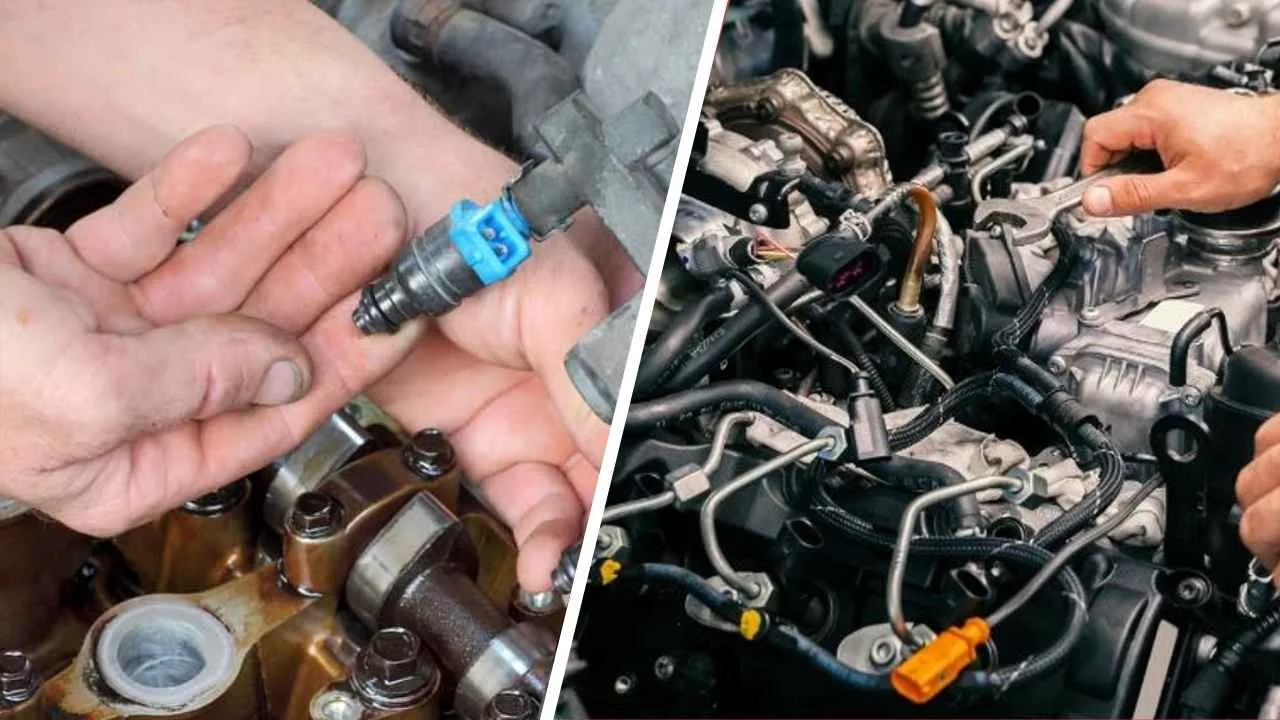
- Clogged fuel injectors
- Failing fuel pump
- Dirty fuel filter
When fuel supply is inconsistent, the engine struggles to maintain power, especially under load.
Fix: Use a quality fuel injector cleaner or have the fuel system professionally inspected.
3. Failing Mass Air Flow (MAF) Sensor
The MAF sensor measures incoming air so the engine control unit (ECU) can adjust fuel injection. A faulty sensor sends incorrect data, causing poor fuel-air mixture and weak performance.
Symptoms: Rough idle, stalling, poor acceleration.
Fix: Clean the MAF sensor with proper cleaner or replace it if necessary.
4. Blocked Exhaust or Catalytic Converter
If exhaust gases can’t exit properly, your engine can’t “breathe.” A clogged catalytic converter creates back pressure, reducing power significantly.
Symptoms:
- Rotten egg smell
- Overheating engine
- Loss of power at higher speeds
This problem should be addressed immediately to prevent further damage.
5. Spark Plug or Ignition Issues
Worn spark plugs, bad ignition coils, or faulty wires can cause incomplete combustion. The result? Misfires and noticeable power loss.
Fix: Replace spark plugs according to your manufacturer’s service interval.
6. Turbocharger Problems (If Equipped)
Turbocharged engines rely on forced air induction for extra power. If the turbo system develops leaks or mechanical failure, performance drops dramatically.
Signs:
- Whining noises
- Excessive smoke
- Loss of boost pressure
7. Transmission Issues
Sometimes the engine isn’t the problem. If your transmission is slipping, the car may feel underpowered even though the engine is functioning normally.
8. Low Compression
Internal engine wear, damaged piston rings, or leaking valves reduce compression. Low compression equals reduced power.
This is more common in high-mileage vehicles.
9. Throttle Body Problems
A dirty throttle body can restrict airflow and interfere with proper acceleration response.
Fix: Clean the throttle body using appropriate cleaner.
10. Oxygen Sensor Failure
O2 sensors monitor exhaust gases and help regulate fuel mixture. Faulty sensors cause inefficient combustion and power loss.
11. Engine Overheating
Modern engines reduce performance automatically when overheating to prevent damage. If your temperature gauge is high, reduced power may be intentional.
12. Limp Mode Activation
If the ECU detects a serious issue, it may trigger “limp mode,” limiting power to protect the engine.
Key Symptoms That Indicate Engine Power Loss
If you’re wondering, “Why Is My Engine Losing Power?” watch for these signs:
- Delayed acceleration when pressing the gas pedal
- Jerking or shaking while driving
- Engine warning light illuminated
- Unusual noises from engine or exhaust
- Increased fuel consumption
- Vehicle struggling under load (towing or uphill driving)
Early detection can prevent costly repairs.
Step-by-Step Troubleshooting Guide
Step 1: Check for Warning Lights
If the check engine light is on, use an OBD2 scanner to retrieve trouble codes.
Step 2: Inspect the Air Filter
Remove and examine it. If dirty, replace it.
Step 3: Listen for Unusual Noises
Whining, knocking, or hissing sounds can help identify the source.
Step 4: Monitor Engine Temperature
Ensure the engine is not overheating.
Step 5: Test Acceleration Under Load
Drive safely and observe performance when climbing a hill or accelerating onto a highway.
Step 6: Seek Professional Diagnosis
If basic checks don’t solve the issue, consult a certified mechanic.
Real-World Example
A driver in Texas noticed their SUV felt weak while merging onto the highway. The check engine light appeared intermittently. After scanning the code, it pointed to a faulty MAF sensor. Cleaning the sensor restored full performance without expensive repairs.
In another case, a driver in Manchester experienced severe power loss at higher speeds. The cause was a clogged catalytic converter that required replacement.
Common Mistakes to Avoid
- Ignoring the check engine light
- Replacing parts without proper diagnosis
- Using low-quality fuel consistently
- Skipping regular maintenance
- Continuing to drive with overheating issues
Guesswork often leads to unnecessary expenses.
Safety Tips and Important Warnings
- Do not ignore sudden power loss on highways—it can be dangerous.
- If the engine overheats, stop driving immediately.
- Avoid DIY repairs involving fuel systems unless experienced.
- Disconnect the battery before working on electrical components.
Safety should always come first.
Prevention and Long-Term Maintenance Advice
The best way to prevent engine power loss is consistent maintenance.
- Replace air filters regularly
- Use high-quality fuel
- Follow manufacturer service schedules
- Keep cooling system in good condition
- Change spark plugs at recommended intervals
- Address warning lights promptly
Routine care saves money and protects performance.
Conclusion: What to Do If Your Engine Is Losing Power
So, Why Is My Engine Losing Power? The answer depends on multiple factors—airflow issues, fuel system problems, ignition faults, exhaust blockages, or internal engine wear. The key is early diagnosis and proper maintenance.
If the problem is minor, such as a clogged air filter, the fix may be simple and affordable. However, serious issues like low compression or catalytic converter failure require professional attention.
Don’t ignore the signs. A small issue today can become a costly repair tomorrow. Stay proactive, maintain your vehicle regularly, and address power loss symptoms immediately to keep your car running safely and efficiently.
Frequently Asked Questions
1. Why is my engine losing power when accelerating?
This is often caused by restricted airflow, fuel delivery problems, or ignition issues. A clogged air filter, faulty MAF sensor, or failing fuel pump are common culprits.
2. Can bad spark plugs cause engine power loss?
Yes. Worn or damaged spark plugs lead to incomplete combustion, misfires, and noticeable power reduction.
3. Why does my car lose power going uphill?
Power loss under load usually indicates fuel system weakness, clogged exhaust components, or turbocharger problems.
4. Is it safe to drive with engine power loss?
It depends on the cause. Minor issues may allow short-distance driving, but sudden or severe power loss can be dangerous and should be inspected immediately.
5. How much does it cost to fix engine power loss?
Costs vary widely. Simple fixes like air filter replacement may cost under $50, while catalytic converter replacement can exceed $1,000 in the USA or UK.