

How Often Should You Change Engine Oil? Complete Guide
Engine oil is crucial for the smooth operation of a vehicle. It lubricates the engine components, reduces friction, and aids in cooling. However, many drivers are unsure how often to change engine oil. This article will delve into the importance and benefits of regular oil changes, provide a step-by-step guide, offer tips, highlight common mistakes, and address frequently asked questions.
Understanding How often should you change engine oil
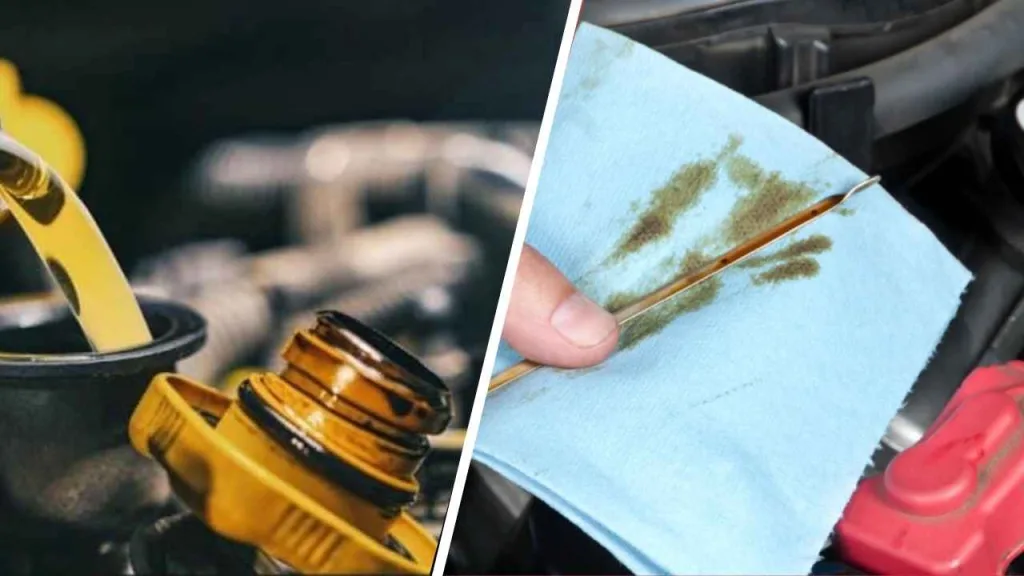
Engine oil comprises a mixture of base oils and additives designed to coat engine parts. Its primary function is to lubricate, but it also cleans contaminants, seals gaps, and prevents wear and tear. The type of oil used can vary; motor oils typically include synthetic, semi-synthetic, and mineral oils.
Knowing when to change your engine oil is vital for maintaining vehicle health, preventing breakdowns, and extending the lifespan of your engine. The old adage “an ounce of prevention is worth a pound of cure” rings true when it comes to oil changes.
Importance of Regular Oil Changes
Regular oil changes are not merely a suggestion; they’re essential for several reasons. First, engine oil breaks down over time due to heat, contaminants, and deposits. When oil loses its effectiveness, the engine parts may rub against each other without sufficient lubrication, leading to unnecessary wear and tear.
Second, regularly changing engine oil can improve fuel efficiency. Clean oil reduces friction, allowing the engine to work with less resistance. This translates to better fuel economy, which can save you money in the long run.
Lastly, keeping your engine oil fresh can help you meet manufacturer warranties and requirements. Many car manufacturers specify an oil change schedule, and failing to follow it could void your warranty. Regular oil changes can thus be seen as a form of insurance for your car’s longevity and performance.
Benefits of Changing Engine Oil Frequently
Changing your engine oil at the recommended intervals offers multiple benefits:
-
- Prolongs Engine Life: Fresh oil lubricates moving parts more effectively, reducing the chances of engine failure and costly repairs. Clean oil helps prevent sludge buildup, further contributing to the health of the engine.
-
- Enhances Performance: Regular oil changes can lead to smoother engine performance. When the oil is clean, it provides optimal lubrication, allowing the engine to run more efficiently.
-
- Improves Fuel Economy: As discussed earlier, clean engine oil helps reduce friction, which directly influences the vehicle’s fuel economy. This efficiency can translate into financial savings over time.
-
- Reduces Emissions: Old oil can produce harmful emissions. Regularly changing engine oil reduces these emissions and contributes to a cleaner environment.
-
- Increases Resale Value: A well-maintained vehicle with a documented history of oil changes is likely to have a higher resale value. Buyers are more inclined to trust a car that has been cared for.
Step-by-Step Guide: How It Works
When it comes to changing your engine oil, you can either do it yourself or take your vehicle to a professional. Here’s a detailed guide for both methods:
DIY Oil Change: – How often should you change engine oil
-
- Gather Materials: You’ll need new engine oil, an oil filter, a wrench or oil filter wrench, an oil catch pan, and a funnel.
-
- Prepare Your Vehicle: Place the vehicle on a level surface and turn off the engine. Let it cool for a while. Always use safety gear.
-
- Drain the Old Oil: Locate the oil drain plug under the car, remove it, and let the old oil drain into the catch pan.
-
- Replace the Oil Filter: Use the wrench to remove the old oil filter. Before installing the new filter, apply a little new oil to the rubber gasket of the filter. This ensures a better seal.
-
- Add New Oil: Replace the drain plug, and using a funnel, pour in the new oil. Check your owner’s manual for the correct amount and type of oil.
-
- Check the Level: After adding oil, wait a few minutes and then use the dipstick to check the oil level. Add more if necessary.
-
- Dispose of Old Oil: Take the old oil to a recycling center. Do not pour it down the drain.
Professional Oil Change: – How often should you change engine oil
-
- Locate a Service Center: Search for a reputable mechanic or service center offering oil change services.
-
- Schedule an Appointment: Call to schedule a time that works for you.
-
- Inspection: Professionals will inspect your vehicle, check fluid levels, and determine if your car needs any additional services.
-
- Oil Change: Just like in a DIY change, they will drain the old oil, replace the oil filter, and add new oil.
-
- Documentation: The service center will often provide documentation verifying the change, which can be beneficial for resale.
Tips for Maintaining Engine Oil Health
-
- Check Oil Levels Regularly: A simple dipstick check can help you keep track of your oil levels between changes.
-
- Use Quality Oil: Investing in high-quality oil can have long-term benefits. Always check your owner’s manual for the recommended oil type.
-
- Monitor Engine Performance: Listen for unusual noises or drops in performance, which can be signs of low or dirty oil.
-
- Follow Schedule: Stick to the manufacturer’s recommendations for oil changes, and don’t exceed the suggested mileage or time intervals.
-
- Keep Records: Documenting the dates and mileage of your oil changes allows you to track when the next change is due.
Common Mistakes to Avoid
-
- Changing Oil Infrequently: Skipping scheduled oil changes can lead to severe engine damage.
-
- Using the Wrong Oil Type: Always refer to your owner’s manual for the appropriate oil specifications. Using the wrong oil can lead to reduced lubrication and engine wear.
-
- Neglecting the Oil Filter: Many people focus solely on changing the oil and forget to replace the oil filter. A dirty filter can compromise oil quality.
-
- Overfilling Oil: Adding too much oil can cause pressure buildup and lead to leaks. Always check the dipstick to ensure you’re within the recommended range.
-
- Ignoring Check Engine Light: If your check engine light comes on, don’t ignore it. It could be a sign of low oil pressure.
Frequently Asked Questions
1. How often should I change my engine oil?
Most experts recommend changing your engine oil every 3,000 to 7,500 miles, depending on the vehicle and oil type. Always refer to your owner’s manual for specific guidelines.
2. Can I use synthetic oil?
Yes, synthetic oil can offer superior performance and is often recommended for newer vehicles. It may allow for longer change intervals, but always consult your manual.
3. What happens if I miss an oil change?
Skipping oil changes can lead to engine damage, decreased fuel efficiency, and even engine failure in extreme cases.
4. How do I know if my oil is dirty?
If the oil is dark and gritty on the dipstick, it’s time for a change. Additionally, if you notice any metallic particles or sludge, seek immediate assistance.
5. Can I go over the recommended oil change interval?
While it’s best to adhere to the guidelines, some modern oils and engines may tolerate longer intervals. However, regularly monitoring oil conditions is essential.
Conclusion
Understanding how often to change engine oil is vital for vehicle maintenance. Regular oil changes not only prolong engine life but also enhance performance, improve fuel efficiency, and lower emissions. By following a simple step-by-step guide for oil changes and avoiding common mistakes, you can keep your engine in top shape. Always check your owner’s manual for the best practices and maintain a record of your service history. Investing a little time and effort in regular maintenance pays off in the long run, providing peace of mind and a smoother driving experience.


Pingback: 9 Dangerous Engine Overheating Causes That Can Destroy Your Engine
Pingback: Electric Car Maintenance Cost: Full Breakdown & Savings Guide