
Engine Overheating Causes, Symptoms & Fixes: Complete Car Owner Guide
Engine overheating is a common yet serious issue that every vehicle owner may face. If you’re driving your car and suddenly notice a spike in the temperature gauge, or if steam starts to billow from under the hood, it can be downright alarming. Understanding the causes, symptoms, and solutions related to engine overheating is crucial for maintaining the health of your vehicle and ensuring safe driving conditions.
What is Engine Overheating Causes?
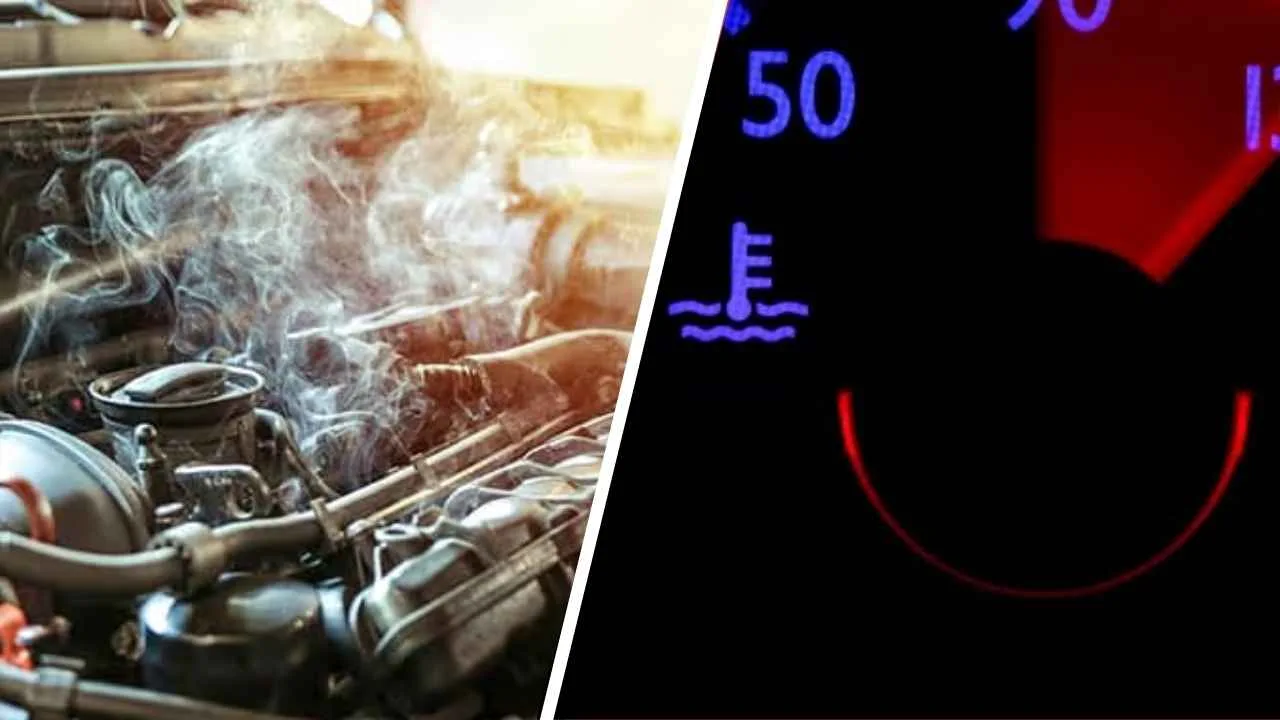
Engine overheating occurs when the engine temperature exceeds the optimal operating range, typically around 195°F to 220°F (90°C to 105°C) for most modern vehicles. This spike in temperature can result from several factors, greatly impacting your engine’s performance and longevity. An overheating engine can lead to significant damage, costing you both time and money in repairs. Therefore, addressing the issue promptly is essential.
Common Causes of Engine Overheating
Understanding the common causes of engine overheating can help you diagnose and fix the problem. Here are some typical culprits to look out for:
-
- Coolant Leaks: Loss of coolant can happen through hoses, radiators, or engine gaskets, leading to insufficient cooling.
-
- Thermostat Failure: A malfunctioning thermostat can prevent coolant from circulating correctly.
-
- Water Pump Issues: If the water pump is defective, it can’t circulate coolant effectively, causing the engine to overheat.
-
- Radiator Blockage: Dirt, debris, or corrosion can block the radiator, hindering heat dissipation.
-
- Faulty Cooling Fans: If the cooling fans fail to engage, the engine may not cool properly at low speeds or during idling.
-
- Oil Issues: Low or dirty oil can lead to excessive friction inside the engine, generating extra heat.
-
- Exhaust Blockages: Blockages in the exhaust system can lead to increased engine temperatures.
Symptoms and Warning Signs
Being able to recognize the warning signs of engine overheating can save you from major headaches later. Here’s what to look for:
-
- The temperature gauge moves to the “hot” zone.
-
- Warning lights or messages appear on the dashboard.
-
- Steam or smoke rises from beneath the hood.
-
- A hissing noise or bubbling sound from the engine.
-
- Reduced engine performance or increased fuel consumption.
How to Diagnose Engine Overheating Step by Step
If you suspect your engine is overheating, you can diagnose the issue through the following steps:
-
- Assess the Temperature Gauge: Check if the gauge has moved into the red zone.
-
- Listen for Noises: Pay attention to any unusual sounds like hissing or bubbling.
-
- Inspect the Coolant Level: Open the hood (once the engine has cooled) and check the coolant reservoir. Is it low or empty?
-
- Look for Leaks: Check for any visible leaks under the vehicle or around engine hoses.
-
- Check the Thermostat: Test the thermostat for proper operation if accessible (this may require some technical knowledge).
-
- Inspect the Radiator: Look for blockages, fractures, or any signs of damage.
-
- Examine the Belts and Hoses: Ensure that belts are intact and hoses are not cracked or loose.
Step-by-Step Solutions and Fixes
Once you’ve diagnosed your engine overheating issue, here are the potential solutions:
1. Refill Coolant
If the coolant level is low, top it up with the appropriate coolant mixture (check your owner’s manual for specifications).
2. Fix Coolant Leaks
Identify where leaks are occurring and use sealant for minor leaks or replace any damaged hoses, gaskets, or the radiator if necessary.
3. Replace Thermostat
If the thermostat is stuck closed, you’ll need to replace it. Make sure to drain coolant first.
4. Repair or Replace Water Pump
Inspect the water pump for signs of failure. If it’s not working correctly, replace it.
5. Clean or Replace Radiator
You may need to flush the radiator to remove blockages or replace it if it’s damaged.
6. Inspect Cooling Fans
If the fans are not working, check the fuses and wiring. Replace damaged components as needed.
7. Change Engine Oil
If oil is low or dirty, make sure to change it to ensure proper lubrication.
8. Address Exhaust Blockages
Check for clogged catalytic converters or other exhaust system issues. Professional assistance may be needed for this diagnosis.
Safety Tips and Risks if Ignored
Ignoring the signs of engine overheating can lead to severe consequences, including:
-
- Engine failure: Prolonged overheating can warp the engine block or cylinder heads, requiring costly repairs.
-
- Fire hazard: Extremely high temperatures can lead to a fire.
-
- Cooling system damage: Overheating may ruin the water pump, radiator, or thermostat, necessitating costly replacements.
Safety Tips
-
- Always let your engine cool before opening the hood.
-
- Keep an eye on the temperature gauge during long trips.
-
- Never remove the radiator cap while the engine is hot; this can cause hot coolant to spray out and result in severe burns.
Prevention and Maintenance Advice
Preventing engine overheating starts with regular vehicle maintenance. Here are some practical tips to keep your engine in top shape:
-
- Regular Coolant Checks: Frequently inspect the coolant level and top it off as needed.
-
- Replace Coolant Periodically: Follow manufacturer guidelines for coolant replacement to prevent corrosion and buildup.
-
- Inspect Hoses and Belts: Routinely check for signs of wear and replace them as recommended.
-
- Maintain Oil Levels: Regularly check and change your engine oil to keep everything lubricated.
-
- Get Professional Inspections: Have your vehicle serviced by a professional mechanic at regular intervals to catch any issues early.
Conclusion
Understanding and addressing engine overheating is crucial for the health of your vehicle. By knowing the common causes and symptoms, you can take proactive measures to diagnose and resolve this issue quickly. Regular maintenance can prevent many overheating episodes, keeping your engine running smoothly and safely.
Incorporating these practices will not only extend the life of your engine but will also provide peace of mind while you’re on the road.
Frequently Asked Questions
1. What is engine overheating?
Engine overheating refers to the temperature of your vehicle’s engine exceeding the optimal range, which can lead to severe damage if not addressed.
2. What are the common causes of engine overheating?
Common causes include coolant leaks, thermostat failure, water pump issues, radiator blockages, faulty cooling fans, oil issues, and exhaust blockages.
3. How can I prevent engine overheating?
Prevent engine overheating by regularly checking and maintaining coolant levels, replacing worn hoses and belts, and performing regular oil changes.
4. What should I do if my engine is overheating?
If your engine is overheating, safely pull over, turn off the vehicle, and allow the engine to cool. Check coolant levels and inspect for leaks before seeking professional help.
5. Can I drive my vehicle with engine overheating?
Driving a vehicle that is overheating can cause severe engine damage and is not advisable. Always address overheating issues promptly.


