9 Dangerous Engine Overheating Causes That Can Destroy Your Engine
Engine overheating is one of the most serious issues a vehicle owner can face. If ignored, it can lead to engine failure, warped components, and costly repairs. Understanding the most common engine overheating causes can help you act early and protect your vehicle.
What Does Engine Overheating Mean?
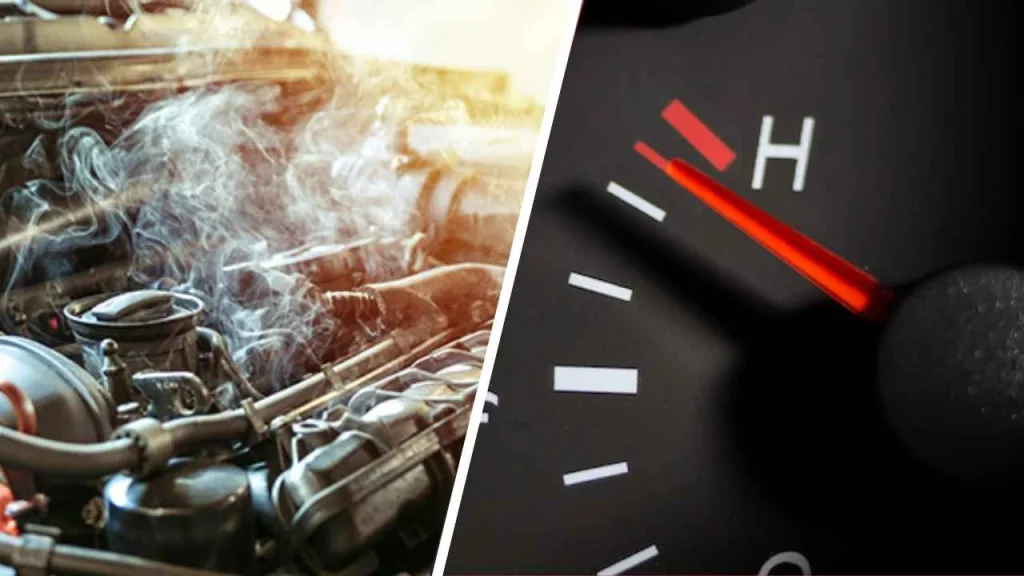
An engine overheats when it exceeds its normal operating temperature due to cooling system failure, insufficient lubrication, or mechanical issues. Modern vehicles rely on coolant, airflow, and sensors to regulate engine temperature.
9 Dangerous Engine Overheating Causes
1. Low Coolant Level
Coolant absorbs heat from the engine and releases it through the radiator. Low coolant levels—often caused by leaks—are the most common reason engines overheat.
2. Coolant Leaks
Leaks from hoses, the radiator, water pump, or heater core reduce cooling efficiency and cause rapid temperature rise.
3. Faulty Thermostat
A thermostat stuck closed prevents coolant from circulating, trapping heat inside the engine and leading to overheating.
4. Radiator Problems
A clogged, damaged, or corroded radiator cannot dissipate heat properly, causing temperature buildup especially in hot weather or heavy traffic.
5. Broken Water Pump
The water pump circulates coolant throughout the engine. A failed pump results in poor coolant flow, quickly causing overheating.
6. Cooling Fan Failure
Cooling fans pull air through the radiator at low speeds. Faulty fans, blown fuses, or electrical issues can prevent proper cooling.
7. Low Engine Oil
Engine oil lubricates and removes heat from moving parts. Low or dirty oil increases friction, raising engine temperature.
8. Blocked Coolant Passages
Rust, debris, or sludge buildup inside the cooling system restricts coolant flow and causes heat retention.
9. Heavy Engine Load or Extreme Driving
Towing heavy loads, aggressive driving, or driving in extreme heat increases engine stress and can push temperatures beyond safe limits.
Warning Signs of an Overheating Engine
- Temperature gauge rising rapidly
- Steam or smoke from the hood
- Burning smell
- Loss of engine power
- Warning lights on the dashboard
How to Prevent Engine Overheating
- Check coolant levels regularly
- Inspect hoses and radiator for leaks
- Change engine oil on schedule
- Flush the cooling system as recommended
- Avoid excessive engine load in hot weather
What to Do If Your Engine Overheats
If your engine overheats:
- Pull over safely and turn off the engine
- Allow the engine to cool before opening the hood
- Never remove the radiator cap when hot
- Call for professional assistance if needed
Frequently Asked Questions
How serious is engine overheating?
Very serious. Continued driving can cause warped cylinder heads, blown head gaskets, and total engine failure.
Can I drive with an overheating engine?
No. Driving while overheating risks severe and permanent engine damage.
How much does overheating engine repair cost?
Costs range from $100 for minor fixes to $5,000+ for major engine repairs.
Conclusion
Understanding engine overheating causes allows you to act quickly, prevent breakdowns, and avoid expensive repairs. Regular maintenance, proper coolant levels, and early warning detection are key to keeping your engine running safely and efficiently.