Engine Oil Sludge Explained: Causes, Symptoms, Fixes, and Prevention
Engine oil sludge is a problem that many vehicle owners face, yet it often goes unnoticed until it manifests into more serious issues. This article will explore the ins and outs of engine oil sludge, its causes, symptoms, and how to tackle it effectively. Understanding this topic is crucial because neglecting engine oil sludge can lead to engine damage, costly repairs, and significantly reduced vehicle lifespan.
What is Engine Oil Sludge?
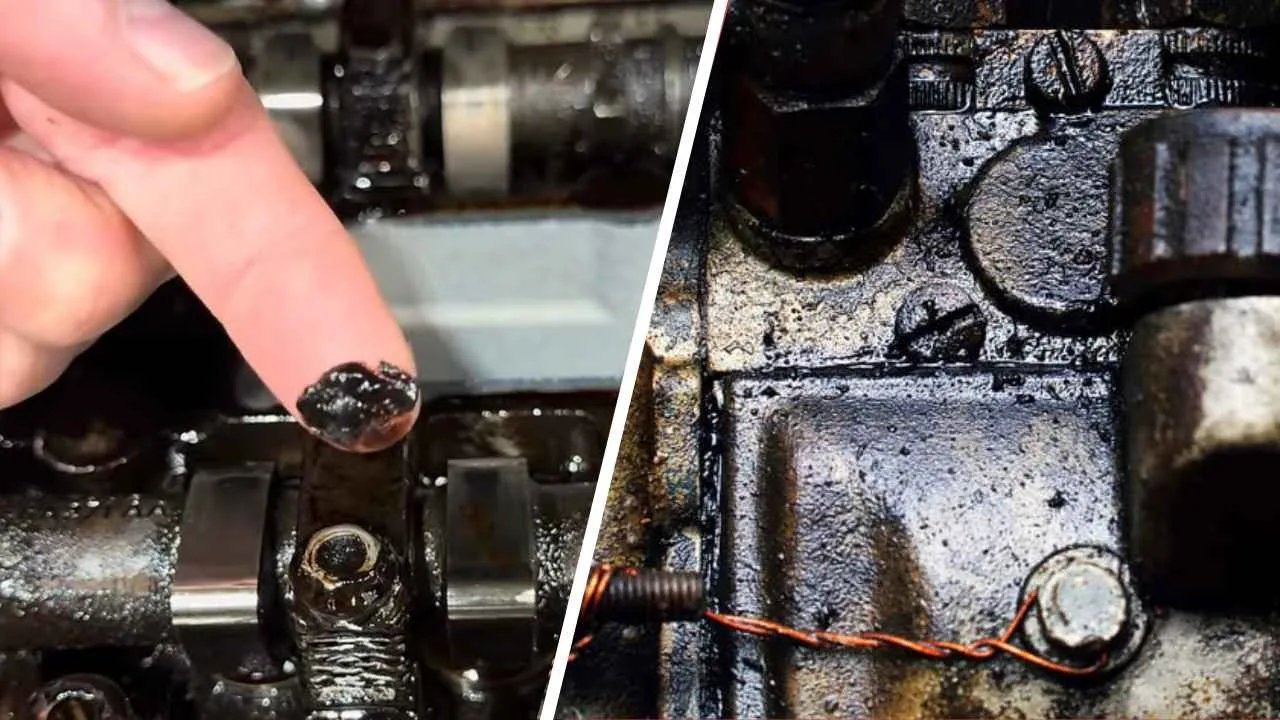
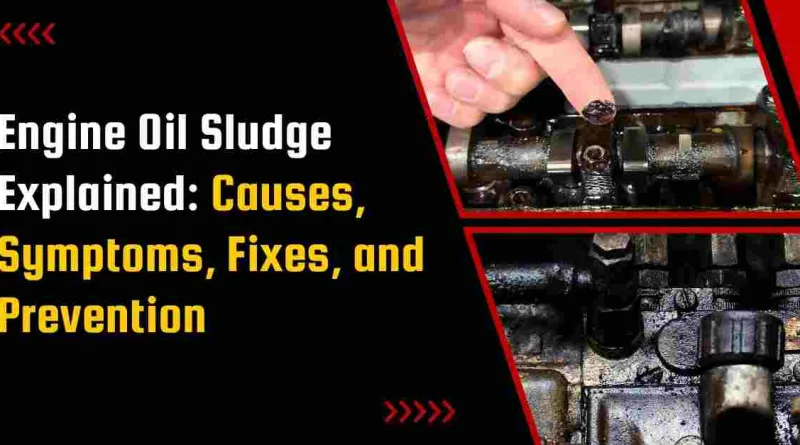
Engine oil sludge is a thick, gooey substance that forms when oil is unable to do its job of lubricating and protecting the engine components. Essentially, it is the accumulation of dirt, carbon, and unburned fuel that bind together due to heat and pressure within the engine. Over time, this sludge can impede oil flow, causing serious engine malfunctions. Effective lubricant characteristics break down under extreme conditions, leaving behind the remnants that eventually form sludge. Understanding engine oil sludge helps drivers maintain better engine health, ensuring longevity and optimal performance.
Common Causes of Engine Oil Sludge
Engine oil sludge can be attributed to several factors:
-
- Poor-Quality Oil: Using low-grade oil can hasten sludge formation.
-
- Extended Oil Change Intervals: Failing to change oil regularly allows contaminants to build up.
-
- Short Trips: Frequent short journeys prevent oil from reaching optimal operating temperatures, leading to incomplete combustion.
-
- Overheating: Excessive engine heat can cause oil to break down more rapidly.
-
- Leakage: Oil leaks can introduce dirt and debris, contributing to sludge.
Understanding these causes can help you avoid pitfalls and take better care of your vehicle.
Symptoms and Warning Signs
Engine oil sludge doesn’t appear overnight; it builds up over time. Here are some warning signs that may indicate the presence of sludge:
-
- Discoloration of Oil: Dark, thick oil that resembles tar can indicate sludge.
-
- Oil Pressure Issues: Fluctuations in oil pressure readings can be a warning sign.
-
- Engine Overheating: An overheating engine may signal inadequate lubrication due to sludge.
-
- Poor Engine Performance: Lack of power or hesitation can indicate oil flow issues.
-
- Check Engine Light: This light could be triggered due to oil pressure discrepancies caused by sludge.
Being vigilant about these symptoms can allow for early intervention, saving you time and money.
How to Diagnose Engine Oil Sludge Step by Step
Diagnosing engine oil sludge is a task you can undertake, but it’s often best left to a professional if you’re unsure. Here’s a structured approach to diagnosing sludge:
-
- Visual Inspection:
-
- Check the oil dipstick. Sludge often appears thick and dark.
-
- Visual Inspection:
-
- Oil Change:
-
- If you suspect sludge, consider changing the oil and filter. Inspect the old oil for sludge accumulation.
-
- Oil Change:
-
- Engine Performance Check:
-
- Evaluate any changes in engine performance, like strange noises or loss of power.
-
- Engine Performance Check:
-
- Diagnostic Tools:
-
- Use an OBD-II scanner to check for any engine fault codes.
-
- Diagnostic Tools:
-
- Professional Assessment:
-
- If you still suspect sludge after initial checks, consult a mechanic for a more thorough examination.
-
- Professional Assessment:
With this diagnosis approach, you can confirm the presence of engine oil sludge and take the necessary steps to address it.
Step-by-Step Solutions and Fixes
Once you’ve diagnosed engine oil sludge, it’s time to act. Here’s how to tackle the problem effectively:
-
- Change Oil and Filter:
-
- Opt for a high-quality oil specifically designed to combat sludge.
-
- Replace the oil filter to prevent reintroducing sludge into the system.
-
- Change Oil and Filter:
-
- Engine Flush:
-
- Consider using an engine flush product. Follow the instructions on the product carefully after changing the oil.
-
- Engine Flush:
-
- Remove Sludge Physically:
-
- For advanced cases, mechanical cleaning may be necessary. This can involve removing the oil pan and physically scraping off the sludge.
-
- Remove Sludge Physically:
-
- Address Underlying Issues:
-
- Fix any leaks and address overheating problems to prevent sludge from forming again.
-
- Address Underlying Issues:
-
- Regular Maintenance:
-
- Frequent oil changes, especially for short-distance driving, can significantly minimize sludge accumulation.
-
- Regular Maintenance:
These steps will help you in effectively addressing engine oil sludge and keeping your vehicle healthy.
Safety Tips and Risks if Ignored
Ignoring engine oil sludge can lead to severe consequences. Here are some risks associated with neglect:
-
- Engine Damage: Sludge can block oil passages, leading to inadequate lubrication and eventual engine failure.
-
- Reduced Efficiency: As sludge accumulates, your engine will work harder, decreasing fuel efficiency.
-
- Expensive Repairs: Addressing engine damage caused by sludge can lead to expensive and labor-intensive repairs.
-
- Increased Emissions: A poorly functioning engine can lead to higher exhaust emissions.
Always prioritize safety and thorough maintenance – proactive measures can save lives and vehicles.
Prevention and Maintenance Advice
To avoid engine oil sludge in the future, consider these practical tips:
-
- Regular Oil Changes: Change your oil every 3,000-5,000 miles, or as recommended by your vehicle’s manufacturer.
-
- Quality Oil: Stick to higher-quality synthetic oils that resist breakdown and sludge formation.
-
- Frequent Long Drives: Whenever possible, take your vehicle on longer drives to ensure complete combustion and oil circulation.
-
- Monitor Engine Temperature: Keep an eye on temperature gauges – overheating can indicate a problem that may lead to sludge.
Implementing these preventative measures ensures your vehicle remains in good health.
Conclusion
Dealing with engine oil sludge can seem daunting, but with the right knowledge and diligence, it’s manageable. This guide has provided a clear overview of what engine oil sludge is, how to diagnose it, and the steps you can take for effective remediation. Remember, regular maintenance is your best defense against this common problem. By staying proactive, you can keep your vehicle in optimal condition and enjoy a smoother, safer driving experience.
Frequently Asked Questions
1. What is engine oil sludge and why is it a concern?
Engine oil sludge is a thick substance formed from degraded oil and contaminants. It restricts oil flow, risking engine damage.
2. How can I tell if I have engine oil sludge in my vehicle?
Signs include dark oil on the dipstick, fluctuations in oil pressure, engine overheating, and a check engine light.
3. What causes engine oil sludge to form?
Causes include using poor-quality oil, extended oil change intervals, short trips, overheating, and leaks that introduce contaminants.
4. Can I clean engine oil sludge myself?
You can change the oil and use engine flush products, but severe cases may require professional assistance for physical cleaning.
5. What preventive measures can I take to avoid engine oil sludge?
Regular oil changes, using quality oil, and ensuring longer driving distances can significantly mitigate sludge accumulation.