Electric Car Maintenance Cost: Full Breakdown & Savings Guide
As electric vehicles (EVs) continue to gain popularity worldwide, more drivers are asking an important question: what is the real electric car maintenance cost? While electric cars are often promoted as cheaper to maintain than gasoline vehicles, the full picture involves understanding both the savings and the potential expenses over time.
In this comprehensive guide, we break down electric car maintenance costs, compare them with traditional cars, explain what you’ll pay for (and what you won’t), and help you decide whether owning an EV makes financial sense for your family.
What Is Electric Car Maintenance Cost?
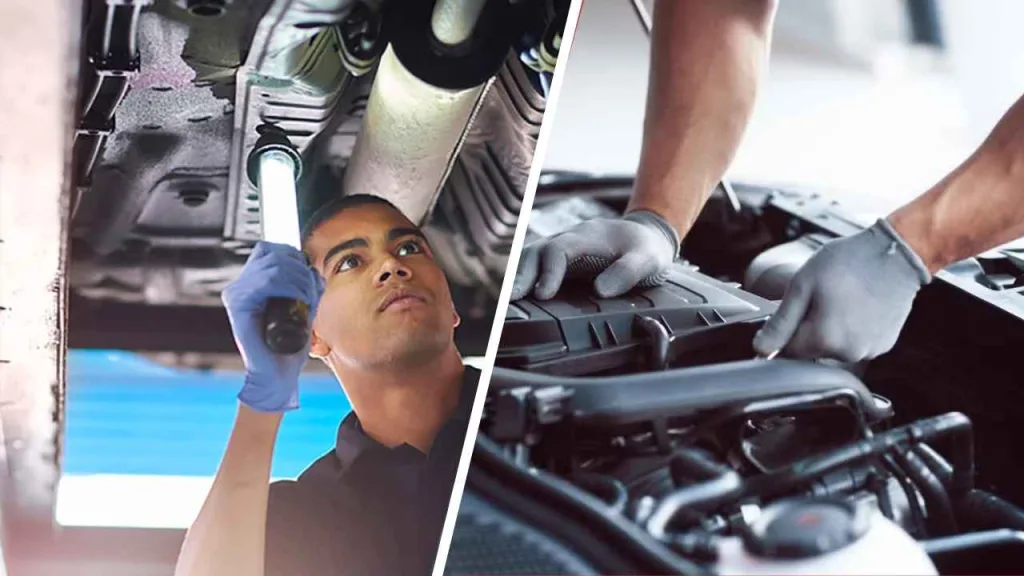
Electric car maintenance cost refers to the money spent on servicing, repairs, inspections, and part replacements required to keep an electric vehicle running safely and efficiently over its lifetime.
Unlike internal combustion engine (ICE) vehicles, electric cars rely on:
- Electric motors
- High-voltage batteries
- Power electronics
- Regenerative braking systems
Because EVs have fewer moving parts, they generally require less routine maintenance, leading to lower long-term ownership costs.
Why Electric Cars Cost Less to Maintain
1. No Engine Oil Changes
Electric cars do not use engine oil. That means:
- No oil changes
- No oil filters
- No engine wear from combustion
Estimated savings: $50–$120 per oil change, 2–4 times per year.
2. Fewer Wear-and-Tear Parts
Electric vehicles eliminate many traditional engine components, including:
- Spark plugs
- Timing belts
- Fuel injectors
- Exhaust systems
- Catalytic converters
- Multi-gear transmissions
Fewer parts mean fewer breakdowns.
3. Regenerative Braking Reduces Brake Wear
EVs use regenerative braking, which converts motion into electricity. This significantly reduces brake pad wear.
Brake pads in EVs can last two to three times longer than those in gasoline vehicles.
4. Less Heat, Less Damage
Electric motors generate far less heat than internal combustion engines, reducing mechanical stress and component degradation.
Average Electric Car Maintenance Cost Per Year
| Vehicle Type | Average Annual Maintenance Cost |
|---|---|
| Electric Car | $300 – $600 |
| Gasoline Car | $700 – $1,200 |
| Hybrid Car | $600 – $1,000 |
Over a 10-year period, electric vehicle owners can save $4,000–$6,000 in maintenance costs alone.
What Maintenance Do Electric Cars Actually Need?
Battery Maintenance and Replacement
The battery is the most expensive component in an electric car.
- Battery lifespan: 8–15 years
- Warranty: 8 years or 100,000 miles (average)
- Replacement cost: $5,000–$12,000 (newer models)
Battery failures are rare, and replacement costs continue to decline.
Tire Replacement
Due to added weight and instant torque, EV tires may wear faster.
Average tire replacement cost: $600–$1,200 per set.
Cooling System Service
Electric cars use coolant systems for batteries and power electronics. Coolant replacement is usually required every 5–10 years.
Brake Fluid Replacement
Brake fluid still needs replacement every 2–4 years, even with regenerative braking.
Cabin Air Filter Replacement
Cabin air filters should be replaced once or twice per year.
Electric Car Maintenance Cost vs Gas Car Cost
| Expense | Electric Car | Gas Car |
|---|---|---|
| Oil Changes | $0 | $2,500+ |
| Brake Repairs | Low | Medium–High |
| Engine Repairs | None | High |
| Transmission Repairs | None | High |
Hidden Costs to Consider
- Home charger installation: $500–$2,000
- Public fast-charging fees
- Potentially higher insurance premiums
How Driving Habits Affect Electric Car Maintenance Cost
Smooth driving, proper charging habits, and regular tire care can significantly reduce long-term maintenance expenses.
Are Electric Cars Worth It for Families?
Electric cars are ideal for families due to:
- Lower routine servicing costs
- Fewer mechanical failures
- Predictable maintenance schedules
- Lower long-term ownership expenses
Final Verdict: Electric Car Maintenance Cost Explained
The electric car maintenance cost is significantly lower than that of gasoline vehicles. With no oil changes, fewer mechanical parts, longer brake life, and reduced servicing needs, EVs offer excellent long-term value.
For families and daily commuters seeking lower ownership costs and reliability, electric cars are both financially and environmentally smart.