
Car Won’t Start? 10 Powerful Reasons Your Car Fails to Start (Easy Fixes)
Imagine getting into your vehicle, turning the key, and hearing nothing but silence. Your heart sinks as you realize: the car won’t start. This unfortunate scenario is all too common for many drivers. Understanding the causes of a non-starting vehicle can not only save you from frustrating situations but also keep you safer on the road.
Definition: What Does “Car Won’t Start” Mean?
When we say a “car won’t start,” we refer to the situation where the engine fails to crank or turn over when you attempt to start your vehicle. This is usually marked by either a complete lack of response or an unusual noise, like clicking or grinding, without the engine actually starting. This problem can stem from various issues affecting the power, fuel, or ignition systems, and identifying the root cause is vital for troubleshooting.
Importance of Knowing the Causes
Understanding why your car won’t start is essential for several reasons. First, it can help you quickly diagnose the problem, potentially saving you time and money on repairs. Second, knowing the causes can enable you to perform basic diagnostics and make informed decisions regarding whether to seek professional help. Finally, being informed can prevent future headaches by allowing you to recognize warning signs early.
Benefits of Identifying Car Won’t Start Causes
Identifying the causes of a non-starting vehicle has several advantages. Here are some benefits to consider:
-
- Cost Savings: By understanding the problem, you can avoid unnecessary repairs or costly towing fees. Some issues might be easily fixable with a little DIY effort.
-
- Time Efficiency: Knowing what to look for allows you to diagnose problems more quickly, leading to faster repairs. This can be particularly helpful in emergencies when every minute counts.
-
- Enhanced Safety: Identifying issues before they escalate can prevent dangerous situations on the road. A well-functioning vehicle ensures that you and your passengers remain safe.
-
- Increased Vehicle Longevity: Regular maintenance and early problem detection can extend your vehicle’s lifespan, saving you money on long-term repairs and replacements.
Step-by-Step Guide: How to Diagnose a Car That Won’t Start
Diagnosing the reasons behind a car won’t start can be straightforward if you follow a systematic approach. Here’s a step-by-step guide to help you identify the issue:
Step 1: Check the Battery
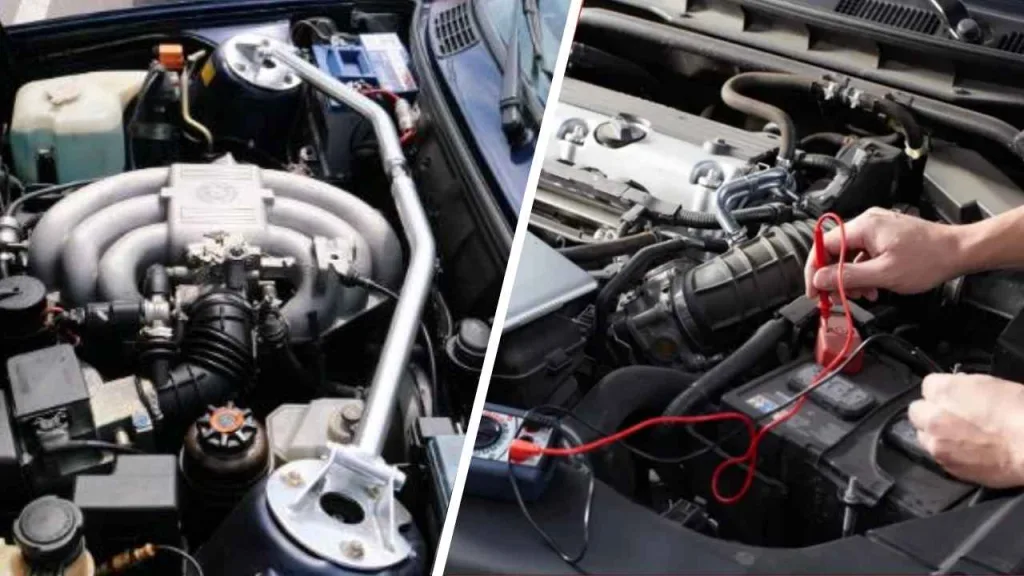
The first place to start is the battery. Most non-starting issues arise here. If your dashboard lights are dim or non-existent, it’s a sign your battery might be dead. Try jump-starting the vehicle with jumper cables and another car.
-
- Tip: Ensure the cables are connected properly—red to positive and black to negative.
Step 2: Listen for Sounds
When you turn the ignition, listen carefully. A clicking sound typically indicates a weak battery, while a faint grinding noise may signal a problem with the starter motor.
Step 3: Inspect the Fuel System
If you don’t hear any sounds at all, it may be time to check your fuel system. Ensure you have enough fuel in your tank, as running low can strain your fuel pump.
-
- Tip: If you run out of fuel, be cautious when restarting, as it may take several attempts to prime the fuel lines.
Step 4: Check the Fuses
Another common issue could be a blown fuse. Consult your vehicle’s manual to locate the fuse box, then look for any blown fuses that could impact starting.
Step 5: Examine the Ignition System
If you suspect issues with the ignition system, check the ignition switch and spark plugs. You might need a multimeter to test the ignition coil and ensure it’s functioning correctly.
Step 6: Inspect the Starter Motor
If everything seems fine but the car still won’t start, the starter motor could be at fault. This component is essential for turning the engine over.
-
- Tip: Use a screwdriver to tap the starter lightly. Sometimes, this can help kickstart a stubborn starter.
Step 7: Seek Professional Help
If you’ve gone through these steps and your car still won’t start, it may be time to consult a mechanic. They can perform more advanced diagnostics and identify complex issues.
Tips for Preventive Maintenance
Preventive maintenance can significantly reduce the chances of your car not starting. Here are some practical tips:
-
- Regularly Check the Battery: Inspect battery terminals for corrosion and ensure connections are tight. Replace the battery as needed, typically every 3-5 years.
-
- Maintain Fuel Levels: Avoid letting your fuel tank get too low, as this can damage your fuel pump in the long run.
-
- Early Warning Signs: If you notice unusual noises or warning lights, address them immediately rather than waiting for a complete failure.
-
- Keep the Ignition System Clean: Replace spark plugs as per the manufacturer’s recommendations. Keeping this system well-maintained can prevent starting issues.
Common Mistakes to Avoid
When dealing with a “car won’t start” situation, many drivers unintentionally make mistakes that can worsen the problem. Here are some common pitfalls to avoid:
-
- Ignoring Warning Lights: Dashboard warning lights serve an important purpose. Ignoring them can lead to serious issues.
-
- Assuming It’s the Battery: While a dead battery is a common cause, it’s not the only one. Always perform a complete check before jumping to conclusions.
-
- Neglecting Regular Maintenance: Failing to perform routine services can lead to larger problems that could have been caught early.
-
- Attempting Too Many DIY Fixes: While it’s good to try simple fixes, also know when it’s time to consult a professional. Over-fixing or making the wrong assessments can lead to additional costs.
FAQs: Addressing Your Concerns
Q: How can I tell if my battery is dead?
A: If the dashboard lights are dim or not lighting up at all and you hear a clicking noise when attempting to start, your battery is likely dead.
Q: What should I check if my car won’t start, and the battery is fine?
A: Check for fuel levels, inspect fuses, and examine the ignition system, including the starter motor and spark plugs.
Q: Can I jump-start my car by myself?
A: Yes, but make sure you know how to connect the jumper cables correctly to avoid damaging your electrical system.
Q: How often should I perform maintenance checks?
A: Ideally, routine checks should occur every 5,000 to 7,500 miles or according to your vehicle manufacturer’s guidelines.
Q: What are some signs of a failing starter motor?
A: Signs include unusual noises when turning the key, slow cranking, or the car not starting at all.
Conclusion: Empower Yourself with Knowledge
Understanding the causes of a car that won’t start is crucial for any driver. Armed with the knowledge of how to diagnose issues and perform basic maintenance, you can save money, time, and stress. By maintaining your vehicle and being aware of the warning signs, you can keep your car in optimal condition and prevent starting issues. Whether it’s a simple battery change or a more complicated ignition problem, knowing exactly what to do will help you stay safe and mobile on the road. Remember, if in doubt, it’s always best to consult with a professional mechanic. Empower yourself with this understanding, and you’ll be better prepared for whatever the road throws your way!


