
Car Safety Technology 2026: Protecting Lives Through Innovation
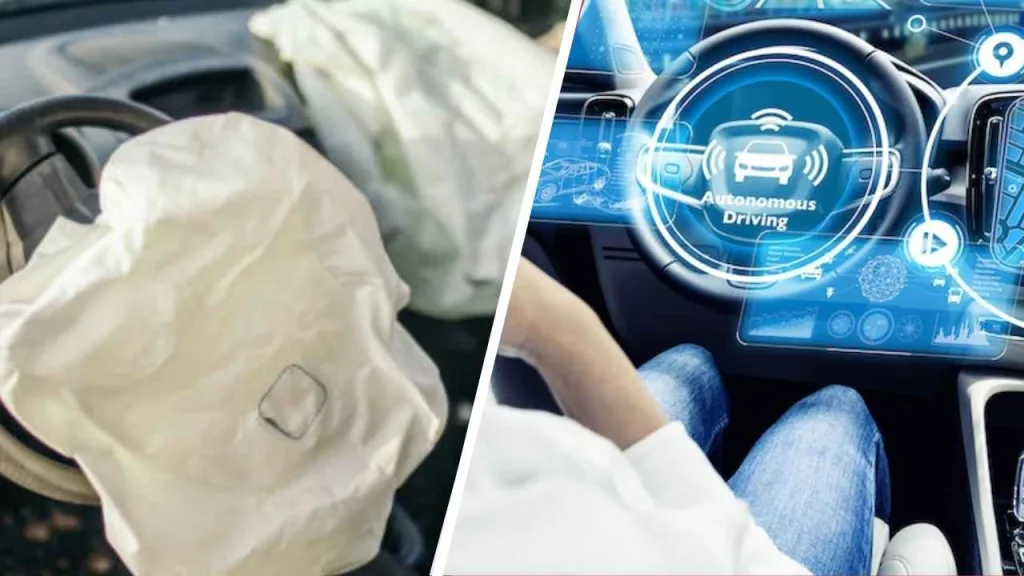
The automotive industry stands at a pivotal moment in 2026, with safety technology advancing at an unprecedented pace. Modern vehicles are equipped with sophisticated systems that actively prevent accidents, protect occupants during collisions, and even predict dangers before they materialize. From intelligent airbags that adapt to crash severity to AI-powered systems that detect pedestrians in low-light conditions, car safety technology has evolved from passive protection to active intervention.
According to data from the European Commission, road deaths in the European Union decreased by 31 percent between 2010 and 2023, dropping from approximately 29,611 to 20,380 annually. While this represents significant progress driven largely by advances in vehicle safety technology and their implementation by manufacturers, it also underscores that more work remains. This comprehensive guide explores the cutting-edge safety technologies transforming vehicles in 2026, the regulatory changes driving adoption, and what these innovations mean for drivers, passengers, and pedestrians alike.
Understanding Advanced Driver Assistance Systems (ADAS) – Car Safety Technology 2026
Advanced Driver Assistance Systems represent the cornerstone of modern automotive safety technology. ADAS refers to a collection of intelligent technologies designed to assist drivers in operating vehicles safely, using sensors, cameras, and radar to monitor the environment, react to potential hazards, and intervene when necessary to prevent accidents.
Market Growth: The global ADAS market is projected to reach $1.37 trillion by 2035, growing from $142 billion in 2026 at a remarkable compound annual growth rate of 28.6 percent. As of 2023, approximately 60 percent of new vehicles globally are equipped with some form of ADAS technology, with adoption rates exceeding 65 percent in passenger cars within developed markets.
ADAS technologies can be broadly categorized into passive and active systems. Passive systems, such as lane departure warning and blind spot monitoring, alert drivers to potential dangers without taking control of the vehicle. Active systems like automatic emergency braking and adaptive cruise control can intervene directly to prevent or mitigate accidents. The success of these systems hinges on the accuracy and reliability of their data inputs, as well as their ability to prioritize and respond to multiple signals simultaneously.
Key ADAS Features Revolutionizing Safety in 2026
Automatic Emergency Braking (AEB)
Perhaps the most crucial ADAS feature, Automatic Emergency Braking detects potential collisions and automatically applies brakes if necessary. The system uses radar, cameras, and sometimes lidar to monitor the road ahead, calculating the risk of collision with vehicles, pedestrians, or other obstacles. When a crash appears imminent and the driver hasn’t responded, AEB applies the brakes faster than human reflexes, potentially avoiding the accident entirely or significantly reducing impact severity.
In the United States, AEB systems will be mandated in all new cars and light trucks by 2029, aiming to reduce rear-end collisions and associated injuries. Since 2021, all new cars in Japan have been required to have AEB systems capable of detecting both vehicles and pedestrians. The European Union mandated AEB as standard equipment in all new vehicles starting in July 2022, reflecting the technology’s proven effectiveness in preventing crashes.
Pedestrian Automatic Emergency Braking
Starting with the 2026 model year, NHTSA has updated its New Car Assessment Program to include evaluations of Pedestrian Automatic Emergency Braking, which enhances vehicle response to pedestrians especially in low-light conditions. This advancement addresses one of the most vulnerable road user groups, with systems now capable of detecting pedestrians crossing streets after dark, stepping out from between parked cars, or moving in unpredictable patterns.
Modern pedestrian detection systems combine multiple sensor types—cameras for visual recognition, radar for distance and velocity measurement, and sophisticated AI algorithms that can distinguish between pedestrians, cyclists, animals, and inanimate objects. The systems account for pedestrian movement patterns, predicting trajectory to determine collision risk even when someone is still on the sidewalk but walking toward the street.
Adaptive Cruise Control (ACC)
Traditional cruise control maintains a set speed, but Adaptive Cruise Control automatically adjusts vehicle speed based on traffic ahead. If the car in front slows down, ACC decelerates to maintain a safe following distance and accelerates again when the road clears. This technology proves particularly valuable in stop-and-go highway traffic, reducing driver fatigue during long commutes.
Advanced ACC systems in 2026 incorporate predictive elements, using GPS data and digital maps to anticipate curves, hills, and speed limit changes. Some systems even communicate with other vehicles to coordinate speeds, optimizing traffic flow and reducing congestion. Cooperative adaptive cruise control can smooth traffic patterns across multiple vehicles, leading to improved fuel efficiency and reduced accident rates.
Lane Keeping Assist and Lane Departure Warning
Lane Departure Warning alerts drivers when they unintentionally veer out of their lane, while Lane Keeping Assist gently steers the vehicle back to the center. These systems use cameras to monitor lane markings, detecting when the vehicle drifts without the turn signal activated.
Starting with the 2026 model year, NHTSA’s updated New Car Assessment Program includes evaluations of lane-keeping assist programs that help prevent unintentional lane departures. Modern systems can distinguish between intentional lane changes (with turn signal activation) and dangerous drift, providing intervention only when needed. The technology reduces accidents caused by driver distraction, drowsiness, or momentary inattention.
Blind Spot Warning and Intervention
Blind spot monitoring systems alert drivers to vehicles in adjacent lanes that may not be visible in mirrors. In 2026, NHTSA’s updated assessment program includes blind spot warning and intervention systems, with the capability of intervening to prevent collisions during lane changes.
Advanced blind spot systems extend coverage to include rear cross-traffic alert, warning drivers backing out of parking spaces about approaching vehicles or pedestrians. For trucks and SUVs, trailer blind-spot assist extends monitoring to cover the length of towed trailers, detecting vehicles hiding alongside or behind and alerting drivers before lane changes.
Intelligent Speed Assistance (ISA)
Mandated in all new European Union vehicles since July 2022, Intelligent Speed Assistance alerts drivers when they exceed speed limits, helping prevent accidents caused by speeding. ISA systems use GPS data combined with traffic sign recognition cameras to determine current speed limits, providing visual and audible warnings when the vehicle exceeds the posted limit.
Some ISA systems can automatically limit vehicle speed to the posted limit, though drivers typically can override this function by pressing firmly on the accelerator. The technology proves particularly effective in unfamiliar areas where drivers might miss speed limit signs or in school zones with variable speed limits during different times of day.
Traffic Sign Recognition (TSR)
Traffic Sign Recognition uses cameras to read road signs and display the information on the dashboard, ensuring drivers stay within legal limits and remain aware of changing conditions. Modern TSR systems can recognize speed limits, no-passing zones, one-way streets, stop signs, and even temporary construction signs.
Advanced systems integrate TSR data with navigation systems and adaptive cruise control, automatically adjusting vehicle speed when entering new speed zones. This integration creates a seamless driving experience where the vehicle adapts to changing road conditions without requiring constant driver input.
Semi-Autonomous Driving Systems
The boundary between driver assistance and autonomous driving continues to blur in 2026, with several manufacturers offering advanced semi-autonomous systems that can handle most driving tasks under specific conditions. These systems represent SAE Level 2 or Level 2+ automation, where the vehicle can control steering, acceleration, and braking simultaneously, but the driver must remain engaged and ready to take control at any moment.
Tesla Full Self-Driving (Supervised)
Tesla’s FSD version 14 has emerged as the most advanced driver assistance system available in 2026, capable of handling complex urban driving scenarios that other systems cannot navigate. Unlike competitors that limit semi-autonomous features almost exclusively to mapped highways, FSD operates on virtually any road, from tight city streets to complex intersections.
The system demonstrates remarkable capabilities in challenging situations: navigating unmarked roads, handling four-way stops with multiple vehicles, executing unprotected left turns across traffic, and even adjusting to construction zones with temporary traffic patterns. While the driver must remain attentive and ready to intervene, FSD significantly reduces the cognitive load of driving, particularly during long trips or in heavy traffic.
Mercedes-Benz MB.DRIVE ASSIST PRO
Mercedes-Benz announced MB.DRIVE ASSIST PRO for US cities in 2026, an SAE Level 2+ system designed for complex urban environments using a 30-sensor suite already deployed in China. The system represents the next generation of Mercedes ADAS technology, combining lidar, radar, cameras, and ultrasonic sensors with sophisticated AI algorithms.
The system offers hands-free, eyes-on driving in designated areas up to 81 mph, with automated lane change, highway traffic jam assist, and cut-in protection. It bolsters safety with advanced blind spot detection, evasive maneuver assist, and driver monitoring integrated into operation.
Mobileye Surround ADAS
In January 2026, Mobileye announced that a major US-based automaker selected the Mobileye EyeQ6H to power advanced driver assistance systems with hands-free driving across millions of vehicles worldwide. The company now estimates future delivery of more than 19 million EyeQ6H-based Surround systems.
A typical Mobileye Surround ADAS system uses one forward-looking high-resolution camera, four corner parking cameras, and multiple radars. These systems enable hands-free, eyes-on driving in designated areas and conditions up to 81 mph, with automated lane change, highway traffic jam assist, and cut-in protection. The system’s key advantage comes from REM crowdsourced data, which covers nearly all highway and arterial roads in the United States and Europe, and more than 90 percent of roads in key Asian markets.
Passive Safety Innovations: Protecting Occupants During Crashes
While active safety systems work to prevent accidents, passive safety technologies protect occupants when collisions occur. Modern vehicles incorporate sophisticated structural designs and restraint systems that have evolved dramatically from the basic seatbelts and airbags of previous decades.
Intelligent Multi-Adaptive Seatbelts
Volvo, the inventor of the modern three-point seatbelt, continues innovating with Multi-Adaptive Safety Belts that better tailor restraint to the wide variety of human forms, shapes, and sizes. This AI-driven system leverages the expanding onboard computational power of modern cars, refining belt-tensioning and load-limiting features based on occupant characteristics detected by sensors.
Modern seatbelt systems feature pre-tensioners that fire upon impact, retracting the belt to secure occupants just before airbag deployment for optimal protection. Load limiters then release webbing in a controlled way, reducing chest forces and helping prevent rib and collarbone injuries. The intelligence comes from sensors that detect occupant size, position, and crash severity, adjusting both pre-tensioner force and load-limiter threshold accordingly.
Advanced Multi-Stage Airbag Systems
Modern vehicles use multi-stage airbags that deploy with force matched to crash severity and occupant position. Sensors detect passenger proximity to the dashboard and adjust inflation to reduce airbag-related injuries. In supercars and high-performance vehicles where impact speeds can be higher, these systems are engineered to even more demanding standards.
Knee airbags and side-curtain airbags now come as standard equipment in most new vehicles, protecting lower limbs and occupants during side impacts. Some vehicles incorporate center airbags that deploy between front occupants, preventing them from colliding with each other during side impacts. The systems work in concert, with airbag deployment timing coordinated with seatbelt pre-tensioners to provide optimal protection.
Carbon Fiber Monocoque and Crumple Zones
The foundation of crash protection in high-performance vehicles is the carbon fiber monocoque—a technology born from motorsport that creates an incredibly strong and rigid passenger compartment. Its primary job is to maintain its shape during catastrophic impacts, preventing cabin collapse and giving restraint systems like airbags and seatbelts the secure space they need to work effectively.
Aluminum subframes surround the survival cell and act as engineered crumple zones. They deform in a controlled way, absorbing and dispersing crash energy away from the passenger compartment. This combination of a rigid cell and sacrificial crumple zones forms the bedrock of modern passive safety design, managing immense forces to protect occupants in extreme situations.
Post-Crash Safety Systems
Vehicle safety responsibilities extend beyond the moment of impact. Modern cars incorporate systems designed to protect occupants and facilitate rescue efforts in the critical minutes following a collision.
Automatic Crash Notification and Emergency Response
Event Data Recorders, mandated in European Union vehicles since July 2022, capture critical data before and after collisions, aiding in accident analysis and improving future vehicle designs. Modern systems go further, automatically contacting emergency services when airbags deploy, providing GPS coordinates and crash severity information to first responders.
These systems can significantly reduce response times, particularly crucial in rural areas where crashes might otherwise go unnoticed for extended periods. Some systems also unlock doors automatically after a crash, facilitating occupant exit and emergency responder access.
Fire Prevention and High-Voltage Disconnection
Fire presents a major post-crash concern, especially with the rise of hybrid and fully electric powertrains. Modern vehicles use automated systems that detect crashes and instantly disconnect high-voltage batteries while shutting off fuel pumps. This isolates ignition sources, reduces fire risk, and gives occupants time to exit before emergency services arrive.
The automotive industry actively researches EV battery safety to prevent thermal runaway events—cascading failures where damaged battery cells overheat neighboring cells, potentially leading to fires that can be difficult to extinguish. Advanced battery management systems monitor individual cell temperatures and voltages, detecting damage early and isolating compromised sections.
Emerging Technologies: AI and Predictive Safety
Artificial intelligence is transforming automotive safety from reactive to predictive, with systems that can anticipate dangers before they fully develop.
AI-Driven Driver Monitoring
Japanese manufacturers have embraced AI-driven driver monitoring systems that use cameras and sensors to detect driver fatigue, distraction, and other behaviors that may compromise safety. By alerting drivers or initiating corrective actions, these technologies aim to prevent accidents before they occur.
Smart Eye highlighted in-cabin intelligence at CES 2026, showcasing real-time alcohol detection and production-ready driver monitoring on a single electronic control unit. This approach meets emerging safety regulations while enabling under-display cameras, iris authentication, and AI-driven driver support. Systems can detect drowsiness through eyelid closure patterns, head position, and steering input irregularities, providing warnings or even pulling the vehicle safely to the roadside in extreme cases.
Predictive Hazard Detection
In 2026, many automakers are developing predictive AI systems that can detect potential hazards before drivers see them. Tools like Harman Ready Aware tap into vehicle-to-network data to deliver real-time hazard alerts—from wrong-way drivers to sudden road closures or even airbag deployments a few cars ahead. Powered by cloud-based platforms and designed to work with existing hardware, these systems offer a scalable layer of foresight, especially in fast-changing urban environments where reaction time is measured in milliseconds.
These systems don’t just react to what cameras and sensors detect in real-time; they anticipate what might happen next. By analyzing traffic patterns, road conditions, and behavior of nearby vehicles, predictive AI can warn drivers of developing dangers seconds before they become critical, providing the additional time needed to avoid collisions.
Active Aerodynamics for Safety
Inspired by 2026 Formula 1 regulations emphasizing movable aerodynamic components, modern supercars use active systems to manipulate airflow in real-time for both performance and safety. These systems can deploy rear spoilers or adjust active flaps to maximize downforce during emergency braking, improving stability and reducing stopping distances.
Some systems can detect impending collisions and adjust aerodynamics to optimize crash outcomes, raising the rear of the vehicle slightly to distribute impact forces more favorably or deploying underfloor panels to reduce the risk of the vehicle becoming airborne in certain collision scenarios.
Regulatory Developments Driving Safety Innovation
Government regulations play a crucial role in advancing automotive safety, mandating minimum standards while encouraging manufacturers to exceed requirements through testing programs and incentives.
United States – NHTSA Initiatives: The National Highway Traffic Safety Administration continues pursuing a vigorous regulatory agenda in 2026. Updated New Car Assessment Program evaluations starting with the 2026 model year include pedestrian automatic emergency braking, lane-keeping assist, and blind spot warning and intervention. Furthermore, rear seat belt reminders will be required in all new passenger vehicles beginning in September 2027 to increase usage and further reduce fatalities and injuries.
European Union Mandates: In July 2022, the European Union mandated several advanced safety features in all new vehicles, including Intelligent Speed Assistance, Automated Emergency Braking, Event Data Recorders, Lane-Keeping Assist, and advanced emergency braking systems specifically designed to detect pedestrians and cyclists. These regulations have accelerated the integration of safety technology across all vehicle segments.
Japan’s Focus on Aging Drivers: Japan requires all new automatic passenger vehicles to incorporate unintended acceleration prevention systems by June 2025. This technology, designed to prevent accidents caused by drivers mistakenly pressing the accelerator instead of the brake, addresses concerns particularly relevant to Japan’s aging driver population. The system uses sensors to detect obstacles and suppresses acceleration, ensuring the vehicle either stops or slows down to avoid collisions.
Cybersecurity: The New Frontier in Automotive Safety
As vehicles become increasingly connected and software-dependent, cybersecurity has emerged as a critical safety concern. Modern cars are built on layers of software, cloud connections, and wireless features that, while offering tremendous benefits, also open avenues for attackers to exploit.
The Growing Threat Landscape
Throughout 2025, the automotive industry saw an increasing number of cyberattacks on vehicles and surrounding systems. High-profile ransomware incidents, including a cyber-attack on Jaguar Land Rover in September that halted production for nearly six weeks, served as stark reminders of how quickly repercussions can spread through global operations.
Potential threats range from theft of driver data and unauthorized vehicle access to attacks that could compromise vehicle control systems or bring entire production lines to a standstill. Break-ins to vehicle control systems and attacks on manufacturing infrastructure, once far-fetched scenarios, are now very real threats manufacturers must address.
Security by Design
In 2026, security can no longer be an add-on considered after the engineering phase is complete. Security requirements are now being factored in alongside user experience, performance, and cost from the earliest stages of vehicle development, influencing everything from vehicle architecture to testing methods and choice of suppliers.
Companies that bring security and engineering teams together early in the development process are creating more robust systems. This approach ensures security is built into the foundation of vehicle software and hardware rather than applied as a protective layer afterward.
Over-the-Air Update Security
Over-the-air updates have become a standard part of vehicle ownership, instrumental in fixing bugs, rolling out new features, and allowing manufacturers to respond to vulnerabilities quickly. However, the update process itself presents security challenges. In 2026, the industry challenge is maintaining the convenience and flexibility of OTA updates while ensuring a stronger security framework around the entire process, from cloud servers to the vehicle’s own verification systems.
Manufacturers are implementing multi-layer authentication, encrypted communications, and secure boot processes to ensure only authorized updates can be installed. Some systems use blockchain technology to create immutable records of software versions and update histories.
The Human Factor: Driver Education and System Limitations
Even the most sophisticated safety technology cannot eliminate risk entirely if drivers don’t understand how to use it properly or become over-reliant on automated features.
Research indicates that familiarity with ADAS features fosters trust and proper usage, which maximizes safety benefits. However, there is a fine line between trust and over-reliance. Drivers who become too dependent on ADAS may experience decreased situational awareness, potentially leading to complacency and increased accident risk.
To fully leverage the benefits of advanced safety systems, drivers must be educated on proper use and limitations. This includes understanding how to effectively use features like adaptive cruise control and lane departure warning, as well as being mindful of the system’s blind spots and operational boundaries. For example, pedestrian detection systems may struggle in heavy rain or fog, and lane-keeping assist requires visible lane markings to function.
Maintenance is Critical: Many vehicle owners understand the importance of oil changes and tire rotations but often overlook ADAS calibration. These systems rely on precisely aligned sensors and cameras to operate as intended. Even minor calibration issues can compromise safety features. After windshield replacement, minor collisions, or even wheel alignment, ADAS sensors may require recalibration to maintain accuracy.
Looking Forward: The Road to Autonomous Vehicles
The safety technologies deployed in 2026 vehicles represent stepping stones toward fully autonomous driving. Each advancement in ADAS brings the industry closer to vehicles that can handle all driving tasks without human intervention.
Waymo leads the autonomous vehicle space with more than 2,000 autonomous vehicles on the road in five cities and plans to expand to San Diego, Miami, Nashville, Washington D.C., Dallas, Denver, and Detroit in 2026. While fully autonomous vehicles remain primarily in pilot programs, the technology developed for robotaxis is filtering down to consumer vehicles through advanced ADAS features.
The shift from assistive technology to autonomy is subtle but seismic. ADAS keeps stretching the definition of what “driving” means, blurring the line between driver assistance and self-driving capabilities. The technology isn’t advancing because self-driving cars have arrived, but because ADAS continues evolving to handle more complex scenarios with greater reliability.
The Impact on Insurance and Liability
Advanced safety technology is fundamentally changing automotive insurance. Vehicles equipped with comprehensive ADAS often qualify for insurance discounts, as these systems demonstrably reduce accident frequency and severity. However, repair costs for vehicles with extensive sensor arrays and cameras can be significantly higher, affecting insurance premiums in the opposite direction.
The question of liability in crashes involving semi-autonomous systems remains evolving. When a vehicle with active lane-keeping assist drifts into another lane, is the driver responsible for not overriding the system, or does some liability rest with the manufacturer? As systems become more capable, these questions become more complex, driving the development of new legal frameworks and insurance products designed specifically for automated vehicle features.
Conclusion: A Safer Future on the Road
Car safety technology in 2026 represents the convergence of decades of research, regulatory pressure, and technological innovation. From AI-driven predictive systems to sophisticated crash structures and intelligent restraints, modern vehicles offer unprecedented protection for occupants and vulnerable road users alike.
The statistics tell a compelling story: estimates suggest ADAS systems can reduce road accidents by up to 30 percent. As adoption continues to grow—with 60 percent of new vehicles globally equipped with ADAS in 2023 and penetration expected to exceed 65 percent in passenger cars within developed markets—the cumulative impact on road safety will be transformative.
Yet technology alone cannot eliminate traffic fatalities and injuries. The most advanced safety systems work best when paired with attentive, educated drivers who understand both the capabilities and limitations of their vehicles. As we move toward an increasingly automated future, the partnership between human judgment and machine intelligence will define how safely we navigate our roads.
For consumers purchasing vehicles in 2026, safety technology should be a primary consideration. The difference between a vehicle with comprehensive ADAS and one with minimal safety features can literally be the difference between life and death, or between walking away from a crash and sustaining serious injuries. Fortunately, many advanced safety features are becoming standard equipment rather than expensive options, making protection accessible across a wider range of price points.
The road to zero traffic fatalities remains long, but the vehicles of 2026 bring us significantly closer to that goal. Through continued innovation, thoughtful regulation, and driver education, the automotive industry is creating a future where crashes are increasingly rare and, when they do occur, occupants walk away unharmed.
Frequently Asked Questions (FAQ)
What are the most important safety features to look for when buying a new car in 2026?
The most critical safety features include Automatic Emergency Braking (AEB) with pedestrian detection, Blind Spot Warning with intervention capability, Lane Keeping Assist, Adaptive Cruise Control, and comprehensive airbag systems including side-curtain and knee airbags. Additionally, look for vehicles with high crash test ratings from NHTSA (5-star rating) and IIHS (Top Safety Pick or Top Safety Pick+). Rear cross-traffic alert is particularly valuable for preventing backing collisions in parking lots. While these features were once premium options, many are now standard equipment even on affordable vehicles, making comprehensive safety accessible to more buyers.
How reliable are Advanced Driver Assistance Systems (ADAS)?
ADAS systems are highly reliable when properly maintained and used within their design parameters. Research indicates these systems can reduce road accidents by up to 30 percent when deployed comprehensively. However, they are not infallible. ADAS performance can be affected by severe weather conditions like heavy rain, snow, or fog, which may obscure sensors and cameras. Lane-keeping systems require visible lane markings to function properly. The key is understanding that ADAS enhances safety but doesn’t replace attentive driving. Drivers must remain engaged, keep hands on the wheel, and be prepared to take control at any moment. Regular maintenance and sensor calibration after windshield replacement or collisions are essential to maintain system accuracy and reliability.
Do cars with advanced safety technology cost more to insure and repair?
The insurance and repair cost picture is mixed. Many insurance companies offer discounts of 5-20 percent for vehicles equipped with comprehensive ADAS because these systems demonstrably reduce accident frequency and severity. However, when crashes do occur, repair costs can be significantly higher. A windshield replacement on a vehicle with ADAS may cost $1,000-$2,000 instead of $200-$300 due to embedded sensors requiring professional recalibration. Minor bumper damage can become expensive when radar sensors need replacement. Despite higher repair costs, many drivers find that reduced accident frequency and insurance discounts offset these expenses, particularly over the vehicle’s lifetime. When purchasing a vehicle, consider both the insurance discount and potential repair costs in your total ownership calculation.
What’s the difference between ADAS and autonomous/self-driving vehicles?
ADAS represents SAE Levels 0-2 automation, where the driver remains responsible for vehicle operation at all times, even when the system controls steering, acceleration, and braking simultaneously. The driver must stay engaged and ready to intervene. Autonomous or self-driving vehicles (SAE Levels 3-5) can handle driving tasks without constant human supervision, with Level 5 vehicles requiring no human intervention whatsoever. As of 2026, no consumer vehicles offer true autonomy beyond limited conditions. Systems like Tesla’s Full Self-Driving and Mercedes-Benz’s Drive Pilot remain Level 2 or 2+ systems requiring driver attention. True autonomous vehicles are currently limited to pilot programs in specific cities. The technologies converge—ADAS serves as the foundation for eventual autonomy—but current ADAS-equipped vehicles still require active, engaged drivers.
How can I ensure my vehicle’s safety systems are working properly?
Regular maintenance is critical for ADAS functionality. First, keep sensors and cameras clean—dirt, snow, or ice can block their view and disable safety features. Second, ensure proper calibration after any windshield replacement, collision repair, wheel alignment, or suspension work, as even minor changes can affect sensor accuracy. Third, pay attention to dashboard warnings indicating system malfunctions and address them promptly at certified service centers. Fourth, periodically test features like blind spot monitoring and lane keeping in safe conditions to confirm they’re functioning. Finally, read your owner’s manual to understand each system’s capabilities, limitations, and maintenance requirements. Many drivers don’t realize that a simple windshield replacement requires sensor recalibration costing hundreds of dollars, or that certain weather conditions temporarily disable features. Understanding these limitations helps you use safety technology effectively while avoiding over-reliance.


