Can You Take a Car to a Mechanic Before Buying? Dealer Guide
Buying a car is a significant milestone for many people, and the process can sometimes be overwhelming. One important aspect to consider is whether dealerships allow you to take the car to a mechanic before purchasing it. In this guide, we’ll explore this topic in depth, offering insights and tips that will help you navigate these waters more smoothly.
Understanding Dealership Policy – Can You Take a Car to a Mechanic Before Buying
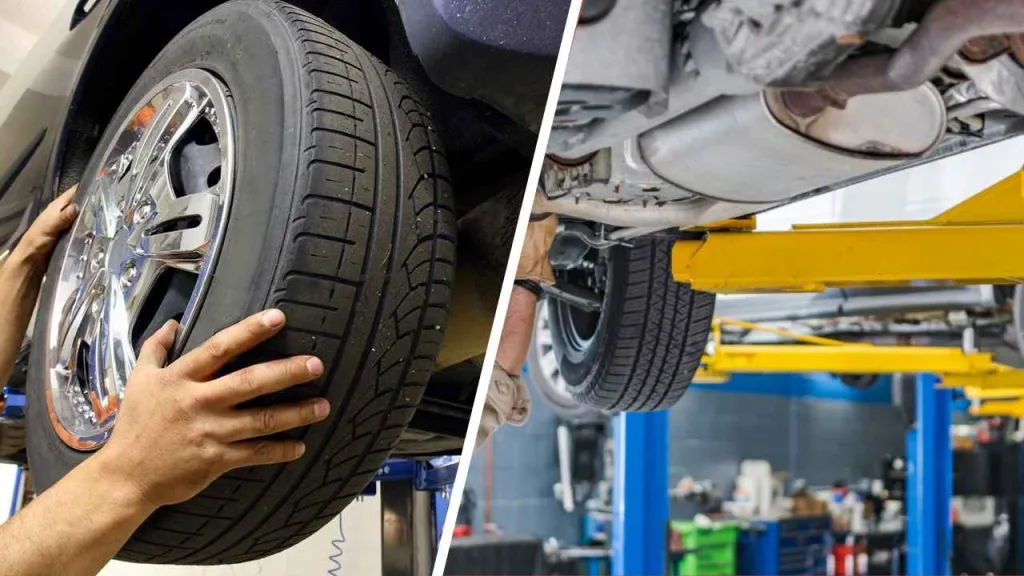
When you’re thinking about buying a vehicle, you might wonder if dealerships let you take a car to a mechanic for a pre-purchase inspection. The answer can vary widely based on the dealership and the specific car in question.
Most dealerships are inclined to allow potential buyers to have an independent mechanic inspect a vehicle. This practice is not only beneficial for you as the buyer but is also a way for the dealer to demonstrate their confidence in the car they’re selling. However, it’s important to understand the dealership’s policies and any associated costs before making any arrangements.
The Importance of a Pre-Purchase Inspection
Why should you prioritize getting a car inspected by a mechanic? A pre-purchase inspection can save you from a range of future headaches, including unexpected repairs and safety concerns.
-
- Identifying Hidden Problems: Cars can have hidden issues that aren’t visible during a casual walk-around or test drive. An experienced mechanic can identify mechanical problems, rust, leaks, and other potential issues that may be hiding beneath the surface.
-
- Peace of Mind: Knowing that a professional has examined the vehicle gives you confidence that you’re making a sound investment. If the mechanic provides a clean bill of health, you’ll feel much better about your purchase.
-
- Negotiating Power: If the inspection reveals issues that the dealership didn’t disclose, you’ll have leverage for negotiations. You can negotiate a lower price or request that the dealership makes repairs before finalizing the deal.
Benefits of Taking the Car to a Mechanic
While many consumers are already aware of the necessity of a pre-purchase inspection, the benefits go beyond just assurance against hidden problems.
-
- Informed Decision-Making: Inspection results can help you make an educated decision on whether to proceed with the purchase or walk away from a potentially bad deal.
-
- Financing Peace of Mind: Lenders often feel more comfortable financing a vehicle that has passed an inspection. A trustworthy mechanic can help you present a well-reviewed vehicle to a lender, potentially improving your chances of approval.
-
- Investment Protection: By spending money on an inspection, you’re essentially investing in your future car’s longevity. Early detection of issues can save you thousands in unnecessary repairs later.
-
- Quality Assurance: A clean inspection from an independent mechanic assures you that the vehicle is in optimal working condition and aligns with the dealer’s claims about the car’s quality and performance.
How It Works: A Step-by-Step Guide
So, how do you go about getting a vehicle inspected by a mechanic? Here’s a simple, step-by-step guide to ensure a smooth experience:
Step 1: Research Local Mechanics
Before you even visit a dealership, research reputable, independent mechanics in your area. Look for shops with good reviews and certifications, like ASE (Automotive Service Excellence).
Step 2: Ask About the Dealership’s Policy
Once you have selected a vehicle, ask the salesperson if you can take the car for an inspection. Be clear about your plans and intentions. Some dealerships may have specific mechanics they prefer, but many will accept any qualified mechanic.
Step 3: Schedule the Inspection
If the dealership agrees, schedule the inspection. This will usually take 1-2 hours, so ensure you have enough time.
Step 4: Accompany the Mechanic
If possible, accompany the mechanic during the inspection. This is a great opportunity to ask questions and gain deeper insights into the vehicle’s condition.
Step 5: Review the Findings
Once the inspection is complete, discuss the findings with the mechanic. Make sure you understand any issues that were discovered and their potential costs.
Step 6: Negotiate with the Dealership
Armed with the inspection report, return to the dealership to negotiate. You can use the findings as leverage, asking them to fix issues before the sale or lowering the price accordingly.
Step 7: Finalize the Purchase
If all goes well, complete the purchase once any necessary discussions and negotiations have been made. Congratulations on your new car!
Tips for a Successful Inspection
To maximize the benefits of your car inspection, consider these essential tips:
-
- Choose the Right Mechanic: Opt for a well-reviewed mechanic with experience in the make and model of the car you’re inspecting. They will know what specific issues to look for.
-
- Be Honest with the Dealership: Transparency about your intention to get an inspection can foster goodwill and make the process easier.
-
- Inspect During Open Hours: If the dealership is open while your mechanic is inspecting the car, it might reduce any potential issues or misunderstandings.
-
- Prepare Questions: Before the inspection, list any particular concerns you have about the vehicle. This will ensure you don’t forget anything critical during the process.
-
- Understand the Costs: Some independent mechanics may charge a fee for the inspection. Make sure you’re aware of these costs upfront, and factor them into your budget.
Common Mistakes to Avoid
Even with all the due diligence, some buyers still make mistakes. Here are a few to avoid:
-
- Forgetting Documentation: Always bring necessary documents such as a driver’s license and proof of insurance. This is often required for test drives.
-
- Assuming All Dealerships Allow Inspections: Not all dealerships may be willing to let you take the car for inspection. It’s important to clarify this upfront.
-
- Neglecting to Make an Appointment: Mechanics can be busy, and you may want to ensure they’re available at the time you need them.
-
- Ignoring Minor Issues: Sometimes buyers overlook small issues flagged during inspections, thinking they’re not important. However, these minor issues can become major ones down the road.
-
- Rushing the Process: Car buying is significant; don’t rush the inspection. Take your time to gather all necessary information.
Frequently Asked Questions (FAQs)
Can I take any car to any mechanic?
While most dealerships will allow you to take the car to an independent mechanic, it’s wise to verify the dealership’s policies first. Some may have specific guidelines or preferred mechanics.
What are the costs involved in a pre-purchase inspection?
The cost of a pre-purchase inspection can range from $100 to $200, depending on the mechanic and the complexity of the inspection. Always ask for a quote beforehand.
What if the mechanic finds issues?
If the mechanic identifies issues, use the information as leverage in your negotiations with the dealership. You may be able to request repairs or a price reduction.
Is a pre-purchase inspection worth it?
Absolutely! The small fee you pay for an inspection can save you from significant repair costs down the road, making it a valuable investment.
How long does an inspection take?
Typically, a pre-purchase inspection can take around 1-2 hours. Make sure to allocate enough time for this process.
Conclusion
Understanding the ins and outs of whether dealerships allow you to take a car to a mechanic is crucial in making a wise auto investment. A pre-purchase inspection offers numerous benefits, from identifying hidden problems to empowering you during negotiations. Following our step-by-step guide can simplify this process, while our tips will ensure you make the most informed decision possible. With the right preparation, you’ll be able to drive off with not just any car, but the right car for you. Happy car hunting!